
10 Latest UPI Trends in 2026 That Are Changing Digital Payments in India
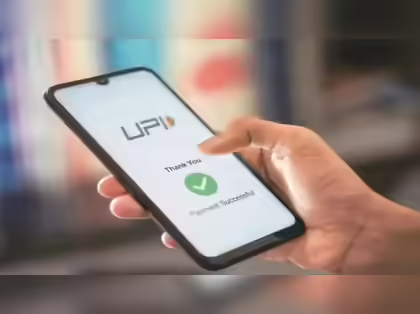
A decade ago, paying digitally in India often meant using cards or net banking, usually limited to urban users. Fast forward to 2026, and UPI has completely reshaped how the country transacts. From vegetable vendors to large retailers, digital payments are now deeply embedded in everyday life.
What is even more interesting is how quickly the ecosystem continues to evolve. With innovations being rolled out regularly and every new UPI payment app competing to improve user experience, the way Indians interact with money is constantly changing. Features like the UPI Lite payment app and offline payments are pushing the boundaries of convenience even further.
Here are the 10 latest UPI trends in 2026 that are transforming digital payments in India.
1. UPI Lite Becoming the Default for Small Payments
One of the biggest shifts in 2026 is the growing use of the UPI Lite payment app for everyday transactions. Users are increasingly relying on it for low-value payments such as groceries, transport, and quick purchases.
The ability to pay instantly without entering a PIN has made it the preferred option for frequent, small transactions. Many users now treat UPI Lite as a digital wallet for daily spending.
2. Rise of Offline UPI Payments
Connectivity challenges in certain regions have led to the development of offline UPI solutions. In 2026, more users are adopting features that enable transactions even without an active internet connection.
This trend is particularly important for rural and semi-urban areas, where consistent internet connectivity may still be a challenge. Offline capabilities are helping expand UPI’s reach to a wider audience.
3. Integration with Wearables and Smart Devices
UPI is no longer limited to smartphones. In 2026, payments through smartwatches, fitness bands, and other wearable devices are becoming more common.
This hands-free approach is making transactions even more seamless, especially for users who prefer quick, contactless payments without using their phones.
4. Voice-Enabled Payments
Voice technology is playing an increasingly important role in digital payments. Users can now initiate transactions using voice commands in multiple Indian languages.
This trend is making UPI more accessible to people who may not be comfortable navigating apps, including elderly users and those in rural areas.
5. Expansion of UPI for International Payments
UPI is gradually expanding beyond India’s borders. In 2026, more countries are integrating UPI-based systems, allowing Indian users to make payments abroad using familiar apps.
This development is particularly beneficial for travellers and students, as it simplifies cross-border transactions.
6. Increased Focus on Security and Fraud Prevention
As digital payments grow, so do concerns around security. UPI platforms are now introducing advanced security measures such as AI-based fraud detection and real-time alerts.
Users are also becoming more aware of safe practices, leading to a more secure and reliable payment ecosystem.
7. Growth of Subscription and AutoPay Services
UPI AutoPay has become more popular in 2026, especially for recurring payments such as OTT subscriptions, utility bills, and loan EMIs.
This feature allows users to automate payments without manual intervention, making financial management more convenient.
8. Merchant-Centric Innovations
Businesses are now using UPI for more than just collecting payments. New features are helping merchants manage transactions, track sales, and offer customised payment experiences to customers.
QR codes are evolving to include dynamic pricing and integrated billing, making transactions smoother for both customers and businesses.
9. Emergence of Specialised UPI Apps
While major platforms continue to dominate, there is a noticeable rise in every new UPI payment app focusing on niche use cases.
Some apps are designed specifically for small businesses, while others focus on budgeting, expense tracking, or financial planning. This diversification is giving users more tailored options based on their needs.
10. Deeper Integration with Financial Services
UPI is no longer just a payment tool. In 2026, it is increasingly integrated with broader financial services, including credit, insurance, and investments.
Users can access multiple financial products within a single app, making UPI a central part of their financial ecosystem.
What do these trends mean for Users?
These trends highlight one key shift: digital payments are becoming faster, smarter, and more personalised. Users now expect seamless experiences that fit into their daily routines without effort.
The rise of features in UPI Lite payment apps, such as Bajaj Finserv, shows that convenience is becoming just as important as functionality. At the same time, innovations such as offline payments and voice commands are making digital payments more inclusive.
For users, this means greater flexibility, better security, and more control over how they manage their money.
Conclusion
The evolution of UPI in 2026 reflects how far India’s digital payment ecosystem has come. What started as a simple way to transfer money has now become a comprehensive platform that supports a wide range of financial activities.
With continuous innovation and the introduction of new UPI payment apps, the ecosystem is expected to grow stronger. Features like the UPI Lite payment app, offline payments, and voice-enabled transactions are shaping the future of digital payments in India.
As these trends continue to develop, one thing is clear. UPI is not just changing how India pays; it is redefining how India interacts with money.