
What Distinguishes Great Interior Photography from Ordinary Shots?
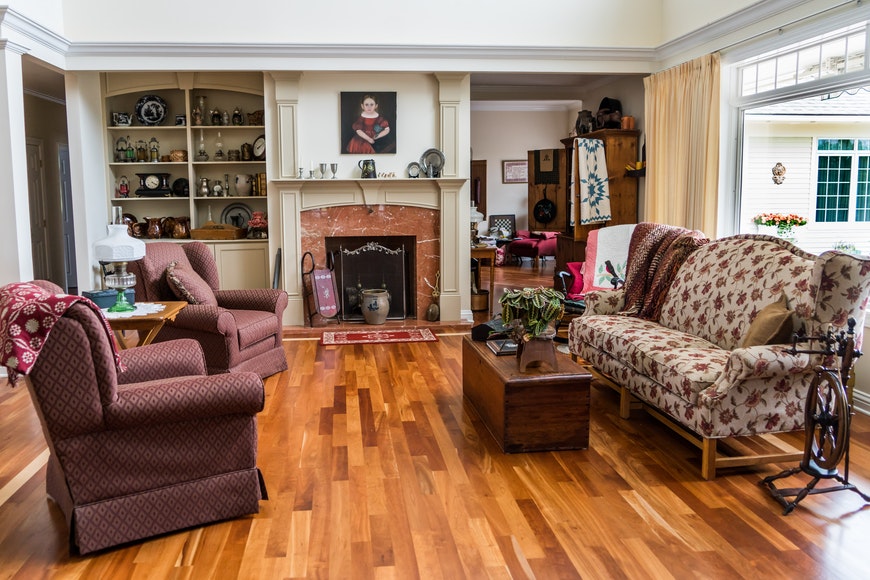
Have you ever seen a photo of an interior that instantly grabbed your attention, bright, inviting, and full of life, and then another of the same space that felt flat, dull, or uninspiring? The difference isn’t in the space itself; it’s in how it’s captured.
Great interior photography does more than show a space. It highlights textures, colours, shapes, and the atmosphere in a way that makes the viewer feel connected, comfortable, and drawn in. It shows the space in a way that makes people want to experience it, not just look at it. Ordinary photos, on the other hand, simply record what’s there without creating any emotion or depth.
In this blog, we will explore what makes interior photography truly stand out. We’ll look at the role of lighting, camera angles, composition, styling, colours, attention to detail, and subtle editing. By understanding these elements, you’ll see why some photos make a space feel alive, while others fall flat.
Key Elements That Make Interior Photography Stand Out
When it comes to interior photography, the difference between a striking image and an ordinary snapshot often comes down to a few key elements. These aspects work together to bring a room to life, guiding the viewer’s eye, highlighting the space’s best features, and creating an inviting atmosphere. From lighting and composition to styling and subtle editing, each factor plays a crucial role in transforming a simple photo into one that tells a story and leaves a lasting impression.
- Lighting Makes the Biggest Difference
Lighting is the foundation of interior photography. When natural light spreads evenly across the room, everything appears softer and fresher. Sunlight has a way of bringing out real colours and textures, making the space look open and clean. When the lighting is uneven, the photo may appear yellowish, too dark or overly shadowed. This can distort the true look of the room.
A Professional photographer understands how to manage light so the room looks balanced and pleasant. They pay attention to the time of day, the direction of sunlight and the shadows created by furniture. They may adjust curtains, switch off harsh lights or use tools to soften the light. Their aim is to make the whole scene appear bright without losing detail in the darker areas.
- The Right Angle Changes How a Room Feels
The angle of the camera affects how a room looks in a photo. When the camera is placed too high, the furniture can appear short and out of proportion. When it is too low, the room may look heavier or awkward. A balanced, natural height helps the viewer understand the space more comfortably because it matches the way people usually see a room in real life.
A good photographer experiments with different positions to find the angle that shows the room at its best. Moving slightly to the left or right, stepping back a little or shifting forward can completely change the feeling of a space. A well-chosen angle opens the room, shows its structure clearly and highlights the most attractive features, making the image feel more welcoming and spacious.
- Clean and Simple Composition
Composition is about deciding which parts of the room should appear in the photo and how they should be arranged within the frame. When too many objects are included, the picture looks messy and unfocused. A clean composition removes distractions and guides the viewer’s eyes naturally through the scene.
Professional photographers pay attention to balance and neatness. They remove unnecessary items, straighten lines, adjust objects and position the main elements in a way that feels calm. When the composition is clear and simple, the room appears more organised and visually pleasing.
- Styling Makes the Room Look Polished
Styling may seem like a small step, but it makes a huge difference in interior photography in dubai. A room that looks fine in real life may appear empty, uneven or dull in pictures. The camera highlights small imperfections that are easy to overlook, such as a wrinkled pillow or a messy side table.
Great photographers take the time to prepare the room before taking photos. They smooth blankets, arrange cushions neatly, adjust curtains and make sure the furniture aligns properly. Sometimes they add a plant, a book or a decorative item to give the space a lively, warm touch. These simple details help create a polished, finished look that feels natural instead of staged.
- Small Details Matter a Lot
The difference between a professional photo and an ordinary one often lies in the small details. Before capturing the image, a good photographer examines every part of the room closely to make sure nothing disrupts the visual flow. They straighten picture frames on the wall, adjust the furniture so it sits evenly, hide visible wires and remove items that add clutter.
They also look carefully at reflective surfaces such as mirrors, glass doors or shiny furniture. Reflections can accidentally show unwanted objects or even the photographer. Paying attention to these details helps create a clean, distraction-free photo that looks refined and carefully produced.
- Editing That Looks Soft and Natural
Editing is the final stage where the photo gets polished. When editing is done poorly, the image can look unrealistic, too bright, too sharp or too heavily filtered. On the other hand, when a photo is not edited enough, it may appear dull and lifeless.
Professional photographers focus on natural-looking editing. They brighten the image gently, adjust colours to keep them accurate, refine shadows and highlights, and sharpen important details without making the photo look artificial. Good editing enhances the room without changing its true appearance.
- Colours Should Look Natural and Real
Colour accuracy is essential because it affects how honest and appealing the room appears. When lighting is poorly controlled, colours can shift and look wrong in photos. Whites may turn yellow or blue, wooden furniture might appear too orange, and painted walls may look nothing like their real shade.
Agreat interior photographer works carefully to keep colours true to life. They adjust the camera settings, balance the light and later fine-tune the colours during editing so everything appears natural and consistent. When colours look clean and realistic, the photo gives a trustworthy impression of the space, and the viewer feels more connected to the room.
- Great Interior Photos Tell a Story
What sets great interior photography apart is its ability to create a feeling rather than simply show a space. A well-captured room makes the viewer imagine how it would feel to sit on the sofa, cook in the kitchen or relax in the bedroom. The photo carries a sense of comfort, style or peace, depending on the space.
Ordinary photos do not give this experience. They simply show objects inside a room without emotion or meaning. Great photography brings the room to life, helping people connect with the space through visual storytelling.
Final Thoughts
Great interior photography stands out because it captures more than just walls and furniture. It reveals the personality of the room through good lighting, strong angles, simple composition, thoughtful styling, natural colours and soft, careful editing. Ordinary photos show the space as it is. Great photos make people feel the space.