
Blox Fruit Trading Tier List: Rank Every Fruit for Profitable Trades
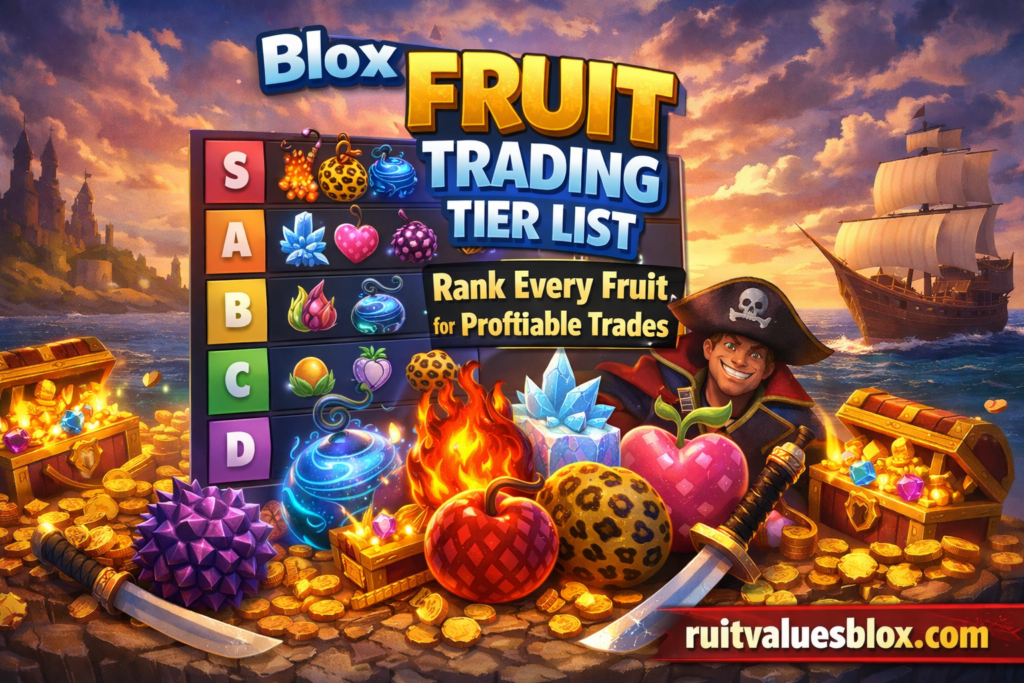
The market for trading fruits can be difficult for someone new to the game to know what fruits are worth and how much they should trade because most of the players find it hard to know what fruit to sell or buy. This generally leads them to trade inefficiently, miss out on good trades & not always getting an equitable exchange from their trades. Therefore, understanding how to rank all of the fruits based on their level of rarity, the level they can be purchased for and how high the demand is for that specific fruit can help back that information in order to be able to trade efficiently. The Blox Fruits Trading Tier List contains a list of every fruit broken down into tier levels based upon what the fruit can currently be sold at and will ultimately help a player who is just starting off and/or currently an established trader create a more organized way to trade and find the better values first to avoid the bad trades that many players do when trading. This guide will explain how the Blox Fruits Tier List works, how to read and find the fruit your looking for, understand its level of value and be able to use that information to help you trade better and become a more successful trader in the world of Blox Fruits.
What is a Blox Fruit Trading Tier List?
The Blox Fruit Trading Tier List provides a thorough guide as to how the various ranks can be used to decide on the value of your fruits for trading purposes. Each rank is created using the following criteria: Rarity of the fruit, Level of the fruit, and How much demand those fruits have within the game. This guide will help you to make smart trades with your fruits to get the best possible value from them. If you use the tiers to decide which fruits are worth trading, you can avoid paying too much for a low value fruit or selling a rare, sought after fruit for less than it is worth.
Purpose of the Tier List
The main purpose of the tier list is to provide players with a clear and reliable reference for trading decisions. It helps to:
- Identify which fruits are most valuable in the current market
- Reduce the risk of unfair trades
- Save time when planning trades
- Support both beginners and experienced players in making informed choices
How Tier Lists Are Created
Tier lists are generated by analyzing multiple factors:
- Rarity: Rare fruits like Dragon or Phoenix are placed in top tiers.
- Level: High-level fruits with maximum abilities have higher value.
- Market Demand: Fruits that are highly sought after or newly introduced in updates often gain extra value.
Developers or community experts update tier lists regularly to reflect changes in fruit availability, new releases, and shifts in player demand.
Understanding Fruit Tiers
Fruits in Blox Fruit are categorized into different tiers, usually ranging from S-tier (highest) to C-tier (lowest). Each tier indicates the approximate trading value and usefulness of the fruit in PvP or general gameplay.
S-Tier Fruits: Highest Value
S-tier fruits represent the top of the trading market. These fruits are extremely rare, highly powerful, and often in high demand. Examples of S-tier fruits include Dragon, Phoenix, and Dough.
Trading Tips for S-Tier Fruits:
- Always check the tier list before trading to confirm the value.
- Compare with current market offers to avoid underselling.
- These fruits are most profitable when traded during peak demand or before updates.
A-Tier Fruits: High Value
A-tier fruits are slightly lower in value than S-tier but still provide significant benefits for trading. They are powerful and useful in PvP, and many players aim to acquire them. Examples include Flame, Light, and Ice.
Trading Tips for A-Tier Fruits:
- Consider trading these fruits when looking for fast, reliable profits.
- They are often easier to acquire than S-tier fruits but still provide competitive value.
B-Tier and C-Tier Fruits: Moderate and Low Value
B-tier and C-tier fruits have moderate to low trading value. They are usually common or less powerful compared to higher-tier fruits. Examples include Spin, Bomb, and Chop.
Trading Tips for B/C-Tier Fruits:
- Trade these fruits when completing collections or acquiring resources for leveling up.
- Occasionally, mid-tier fruits gain value if their demand rises in updates or events.
How to Use the Tier List for Profitable Trades
Identifying High-Demand Fruits
This is a simple way to see which fruits have the most demand right now; if you trade with either S/Tier or A/Tier fruits then you will know your trades are profitable and reasonable. New updates regarding fruit releases also help to identify growing-value fruits that will yield you greater deals.
Timing Your Trades
Timing is very important for maximising profits. When there is a high demand for fruit or when there is an update to make any particular type of fruit rare then trade with the most profit possible by trading at this time. Do not trade at times of low demand, this can limit your maximum profit.
Combining Tier List with Market Knowledge
While the tier list provides an estimated ranking, it is essential to combine it with real-time market knowledge:
- Monitor player demand in trading groups and forums.
- Check newly released fruits and update notes.
- Consider fruit rarity and availability in the current server.
This combination ensures informed trading decisions rather than relying solely on the tier list.
Tips for Maximizing Profits with the Tier List
- Focus on rare and high-value fruits to ensure maximum profit.
- Track updates and new fruit releases, as these often spike in value.
- Use the tier list as a reference but always verify with market trends.
- Plan trades strategically rather than making impulsive decisions.
By following these tips, players can efficiently increase profits and make better trade choices.
Common Mistakes to Avoid
- Ignoring Tier Rankings: Trading without checking the tier can lead to undervaluing or overpaying for fruits.
- Misreading the Calculator or List: Always consider the full range of estimated values, not a single figure.
- Ignoring Market Trends: Fruit value fluctuates with updates, demand, and rarity. Always stay updated.
- Trading Impulsively: Avoid quick trades without research, even for high-tier fruits.
Conclusion
For someone trading in Blox Fruit, a Blox Fruit Trading Tier List is an essential tool to use. A Blox Fruit Trading Tier List can help you find good quality, marketable fruits to help you get the best price for your fruit when you sell or trade your fruit. Once you know how to read the tier list, along with market trend data and trading strategies, you will be able to successfully trade in Blox Fruit regardless of whether you are a beginner or an experienced trader. Some common mistakes when trading are not paying attention to the latest Blox Fruit updates, reading the Blox Fruit values inaccurately, and failing to take advantage of the knowledge acquired by using the Blox Fruit Trading Tier List. When you trade in Blox Fruit using the trading tier list, you will be able to turn your guesswork into calculations and be confident that you are trading in the most efficient and profitable way possible.
FAQs
Q1: What is the Blox Fruit Trading Tier List?
A: It is a ranking system that categorizes fruits by trading value based on rarity, level, and demand.
Q2: How often should I check the tier list?
A: Check the tier list regularly, especially after updates or new fruit releases, to ensure accurate trading decisions.
Q3: Are S-tier fruits always the best to trade?
A: S-tier fruits are the highest value, but their trade depends on market demand and availability.
Q4: Can beginners use the tier list effectively?
A: Yes, it simplifies trading and helps beginners identify profitable fruits without guesswork.
Q5: How do I combine tier lists with market trends?
A: Use the tier list alongside player demand, update notes, and fruit rarity to make strategic trading decisions.