
4 Reasons Why Pharmaceutical Companies Rely on Specialized Peptide Synthesis Services
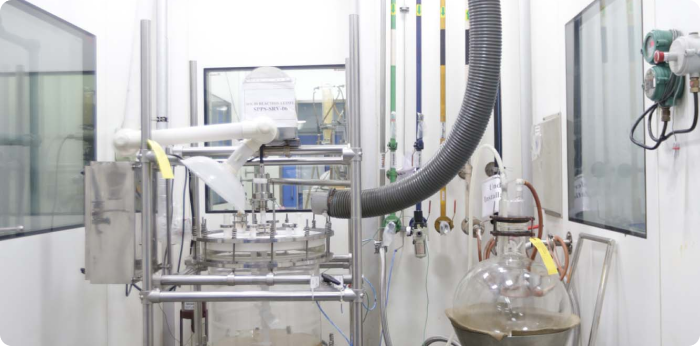
Pharmaceutical companies of all sizes are increasingly turning to specialized peptide synthesis service providers to support their drug development efforts.
Peptide-based therapeutics have surged in prominence thanks to their high specificity and potency in treating conditions like cancer, diabetes, and autoimmune disorders. However, producing these complex molecules at the quality and scale required for pharmaceuticals is a daunting task.
This is where dedicated peptide synthesis services, often in the form of contract development and manufacturing organizations (CDMOs), become invaluable.
In this article, we explore the four reasons why pharma firms rely on specialized peptide synthesis services and how these partnerships empower innovation and efficiency in drug development.
1. Complex Synthesis Processes Require Specialized Expertise
Unlike small-molecule drugs made through short syntheses, peptides are assembled from amino acids in many iterative steps. Longer or complex peptides raise the risk of errors, incomplete reactions, or low yields. Peptides over ~20 amino acids are especially challenging to produce chemically.
Peptide synthesis commonly uses Solid-Phase Peptide Synthesis (SPPS), which is highly effective but still faces many challenges. Insolubility of certain sequences, aggregation during assembly, and side-reactions can all derail an in-house synthesis attempt.
Specialized peptide CDMOs have established protocols to handle these issues. They routinely perform automated synthesis followed by high-performance liquid chromatography (HPLC) purification to achieve the required >90–95% purity for therapeutic use. Few standard R&D labs have such capabilities readily on hand.
For pharma companies, having specialized peptide synthesis services ensures higher success rates in getting the peptide made right. It also frees their own scientists from trial-and-error synthesis work so they can focus on core research.
2. Cost Efficiency and Time Savings
Building an internal peptide production facility is a costly endeavor. The instrumentation for peptide synthesis is very expensive and often highly specialized. Additionally, the reagents are costly, and processes require skilled chemists and stringent QC protocols.
These factors make the barrier to entry high. For many companies, especially smaller ones, it simply isn’t economical to invest millions in infrastructure and hire a full peptide chemistry team for one or two pipeline candidates. Even large pharma must consider whether capital and staffing are best spent on in-house synthesis or redirected to other R&D areas.
By partnering with a peptide synthesis services CDMO, companies gain access to expertise and infrastructure without significant internal investment. The service provider has already built state-of-the-art labs and production lines; multiple clients benefit from this shared capacity. Economies of scale often allow CDMOs to produce peptides more cost-effectively on a per-unit basis as well.
Time is another critical factor. An established peptide synthesis services partner can typically deliver faster than a team starting from scratch internally. These providers have optimized workflows and experience that streamlines synthesis and purification.
3. Access to Advanced Technologies and Custom Capabilities
Peptide synthesis services are at the forefront of innovation in synthesis technology. Because they focus on peptide production day in and day out, they invest in cutting-edge techniques that many pharma companies might not implement internally.
Need a peptide with multiple disulfide bonds, unusual non-natural amino acids, or conjugation to a payload? Peptide CDMOs have likely done it before.
By relying on specialized partners, pharma companies also gain access to a wide menu of custom modifications and unique chemistries. They have experience handling long peptides, macrocycles, and peptides with complex secondary structures that can be problematic.
This breadth of capability allows pharmaceutical innovators to design advanced peptide therapeutics without being constrained by what their own lab can make.
4. Scalability from R&D to Commercial Production
Another major reason companies outsource peptide synthesis services is scalability. During drug R&D, the needs progress from milligrams of peptide for early testing to multi-kilogram quantities for clinical trials and eventually commercial supply. Scaling up peptide synthesis is not straightforward – yields can drop and new impurities can emerge at larger scales.
Specialized peptide manufacturers are experienced in process scale-up and optimization, ensuring that a method developed at a small scale can be translated to produce larger batches efficiently.
This capacity and flexibility are crucial for pharma firms. It spares them from having to worry about engineering large-scale reactors or purification systems as demand grows. Additionally, if a project is terminated or delayed, the company isn’t left with underutilized facilities – the CDMO simply shifts those resources to other clients.
In effect, outsourcing transfers the burden of capacity planning and capital expenditure to the service provider, while the pharma firm pays only for what it needs when it needs it. Given the uncertainty in drug development (not all candidates succeed), this model is far more risk-managing.
Peptide Synthesis Services as a Trusted Path to Innovation
Peptide therapeutics are poised to play an even larger role in modern medicine, but bringing these complex molecules from concept to clinic requires capabilities beyond the ordinary lab.
Specialized peptide synthesis service providers offer pharmaceutical companies a crucial combination of technical expertise, quality assurance, and scalable production capacity.
Partnering with peptide CDMOs lets pharma companies focus on discovery and patient outcomes while leaving the intricate chemistry and process engineering to the specialists.
Neuland Labs offers a custom peptide synthesis service with deep expertise in delivering these outcomes. Neuland has capabilities in solid-phase, solution-phase, and hybrid synthesis methodologies for complex peptides, and a track record of manufacturing peptide APIs in the 5–50 amino acid range under cGMP conditions.
So, with the right peptide synthesis service provider in place, pharmaceutical companies can confidently pursue the therapeutic potential of peptides, knowing they have a reliable foundation for production and scale-up.
FAQs
1) How do pharmaceutical companies decide when to outsource peptide work? Most companies outsource when projects demand speed, high purity, or GMP compliance. Specialized partners provide reliability and flexibility without requiring costly in-house infrastructure investments.
2) What advantages does a peptide synthesis service offer smaller pharmaceutical firms?
For smaller firms, a peptide synthesis service levels the playing field, offering advanced capabilities, scalable production, and regulatory expertise that would otherwise be out of reach internally.
3) Can outsourcing peptide production improve speed to market? Yes. Dedicated providers already have established processes, teams, and equipment. This accelerates peptide supply, reduces delays, and helps pharmaceutical companies progress clinical timelines faster.
4) How does a peptide synthesis service reduce overall project risk? By ensuring consistent quality, regulatory readiness, and proven scale-up pathways, a peptide synthesis service minimizes the chance of costly failures in late-stage development or manufacturing.