
Minimalist vs Modern Interior Design: Which Style Suits Your Home Best?
Key Highlights
- Modern design focuses on the early to mid-twentieth century.
- Minimalism emphasises the philosophy of owning only what is essential and functional.
- Both styles prioritise clean lines and a lack of clutter to create a sense of space.
- Modern interiors often feature bolder accents, while minimalism sticks to a neutral palette.
- The right choice depends on your personal lifestyle and how you interact with your space.
Introduction
Selecting the right aesthetic for your property is a significant decision that shapes your daily living experience. Many homeowners find themselves torn between minimalist and modern interior design, often using the terms interchangeably. While they share several visual similarities, such as a preference for simplicity and an aversion to clutter, they stem from different philosophies and historical backgrounds. Understanding these nuances is essential for anyone embarking on a home interior design journey. Whether you prefer the warm, structured feel of mid-century modernism or the “less is more” mantra of a minimalist retreat, each style offers unique benefits. By exploring the foundations of these two popular movements, you can determine which approach aligns best with your personality and practical requirements.
Defining the Modern Aesthetic
Modern interior design specifically refers to a design movement that gained popularity during the early to mid-twentieth century. This style broke away from the ornate and heavy decorations of the Victorian era, focusing instead on form and function. In a modern home, you will notice a strong emphasis on natural materials like wood, leather, and linen. The architecture usually features sharp, clean lines and geometric shapes. Unlike some might assume, modern design is not cold; it often incorporates earthy tones and warm wood finishes to create a welcoming atmosphere.
When applying modern principles to your home interior design, the focus remains on honesty in materials. This means showing off the grain of the wood or the texture of the stone rather than hiding them under layers of paint or fabric. Furniture in this category often features tapered legs and low profiles, which help to make a room feel more open and airy. Modernism is about progress and functionality, ensuring that every piece of furniture serves a clear purpose while contributing to the overall visual harmony of the living space.
The Philosophy of Minimalism
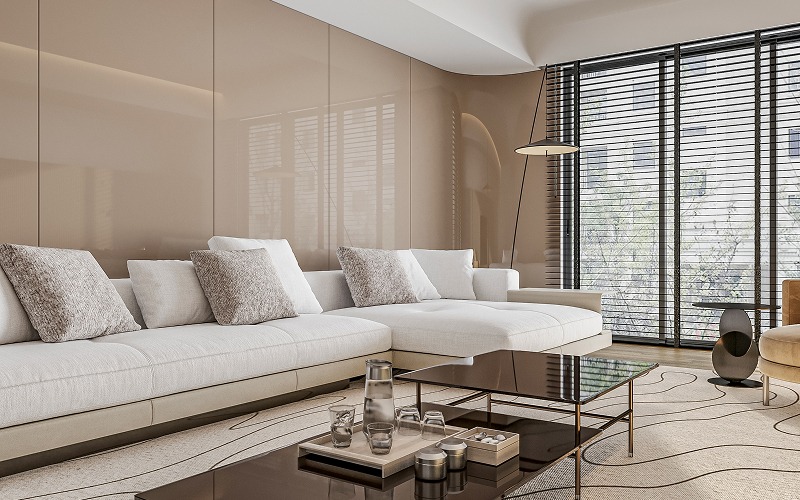
Minimalism is less of a historical era and more of a lifestyle philosophy that translated into interior design. It takes the “less is more” approach to the extreme, focusing on the absolute essentials to create a serene and uncluttered environment. In minimalist and modern interior design discussions, minimalism is often seen as the more disciplined sibling. It strips away any unnecessary elements, leaving behind only what is functional or deeply meaningful. The colour palette is typically monochromatic, relying heavily on whites, greys, and beiges to create a sense of calm and continuity.
In a minimalist home, every object must justify its existence. This doesn’t mean the space should feel empty or soulless, but rather that every item is chosen with extreme intentionality. Surfaces are kept clear, and storage is usually hidden behind seamless cabinetry to maintain a visual flow. The beauty of minimalism lies in the quality of the materials and the precision of the craftsmanship. By removing distractions, you allow the light and the architecture of the home to become the primary focus, fostering a peaceful environment that encourages relaxation and mindfulness.
Finding the Middle Ground
While these two styles are distinct, they often overlap, leading to the popular contemporary look many people crave today. Both minimalist and modern interior design prioritise open floor plans and an abundance of natural light. They both reject the idea of filling a room with “knick-knacks” or purely decorative items that serve no purpose. Because of this shared foundation, you can easily blend elements from both styles to create a personalised space. For example, you might choose the clean, geometric furniture of the modern era but apply the strict colour palette of minimalism to keep the room looking cohesive and calm.
The integration of these styles works particularly well in urban environments where space is at a premium. By adopting a modern layout with minimalist decoration, you can make a small apartment feel significantly larger. The key is to maintain a balance between the warmth of modern materials and the clarity of minimalist space management. This hybrid approach allows for a home that feels curated and professional while still being comfortable enough for daily life. It provides a timeless foundation that can evolve with your needs over time without ever feeling outdated or cluttered.
Making the Right Choice for Your Home
Choosing between these styles ultimately depends on how you want your home to feel. If you appreciate historical context, warm wood tones, and furniture that makes a statement through its shape, modern design may be your best fit. It allows for a bit more personality and colour, making the home feel lived-in and classic. On the other hand, if you find peace in empty spaces and want a home that serves as a sanctuary from the busy outside world, minimalism is likely the better path. It requires a commitment to decluttering, but the reward is a home that feels light, airy, and incredibly organised.
Consider your daily habits before making a final decision. A family with young children might find strict minimalism difficult to maintain, whereas a modern style with durable natural materials could be more practical. Conversely, a busy professional might thrive in a minimalist environment that reduces visual noise after a long day at the office. Whichever path you choose, focusing on high-quality home interior design ensures that your living space remains functional and beautiful for years to come.
Conclusion
Whether you lean towards the structured elegance of modernism or the refined simplicity of minimalism, both styles offer a sophisticated way to organise your living environment. By understanding the core principles of minimalist and modern interior design, you can create a home that truly reflects your values and aesthetic preferences. The most successful homes are those that prioritise the comfort of the inhabitants while maintaining a clear design vision.
Ready to transform your living space into a masterpiece of style and function? Contact us at Home Guide today to start your journey toward the perfect home layout.