
What Makes the Best Reclining Sofa for Small Apartments?
Small apartment living is no longer just a necessity—it’s a lifestyle choice embraced by millions of young professionals in urban centers worldwide. With average apartment sizes shrinking and rents climbing, the demand for furniture that serves multiple purposes without dominating a room has never been higher. Among the trickiest pieces to get right is the reclining sofa. Everyone deserves the luxury of kicking back after a long workday, but traditional recliners are notorious space hogs that can make a compact living room feel cramped and cluttered.
The challenge is clear: how do you enjoy the deep comfort of a reclining sofa without sacrificing the open, breathable feel your small apartment needs? The good news is that modern design has caught up with modern living. Today’s reclining sofas come equipped with features like adjustable headrests and power recliners that deliver personalized comfort in surprisingly compact frames. This article will walk you through the essential factors for choosing the right reclining sofa for a small space, from measuring your room and prioritizing must-have features to maintaining your investment so it lasts for years. Whether you’re furnishing your first studio or upgrading a one-bedroom, these actionable tips will help you make a confident, informed decision.
Key Factors in Selecting a Reclining Sofa for Limited Spaces
Choosing a reclining sofa for a small apartment isn’t simply about picking the most compact option on the showroom floor. It requires a thoughtful approach that balances spatial awareness, functionality, and personal comfort preferences. In limited square footage, every piece of furniture must earn its place, and reclining sofas present a unique challenge because they need extra clearance to function properly. Understanding how to optimize your space while still enjoying the full benefits of a recliner is the foundation of a smart purchase.
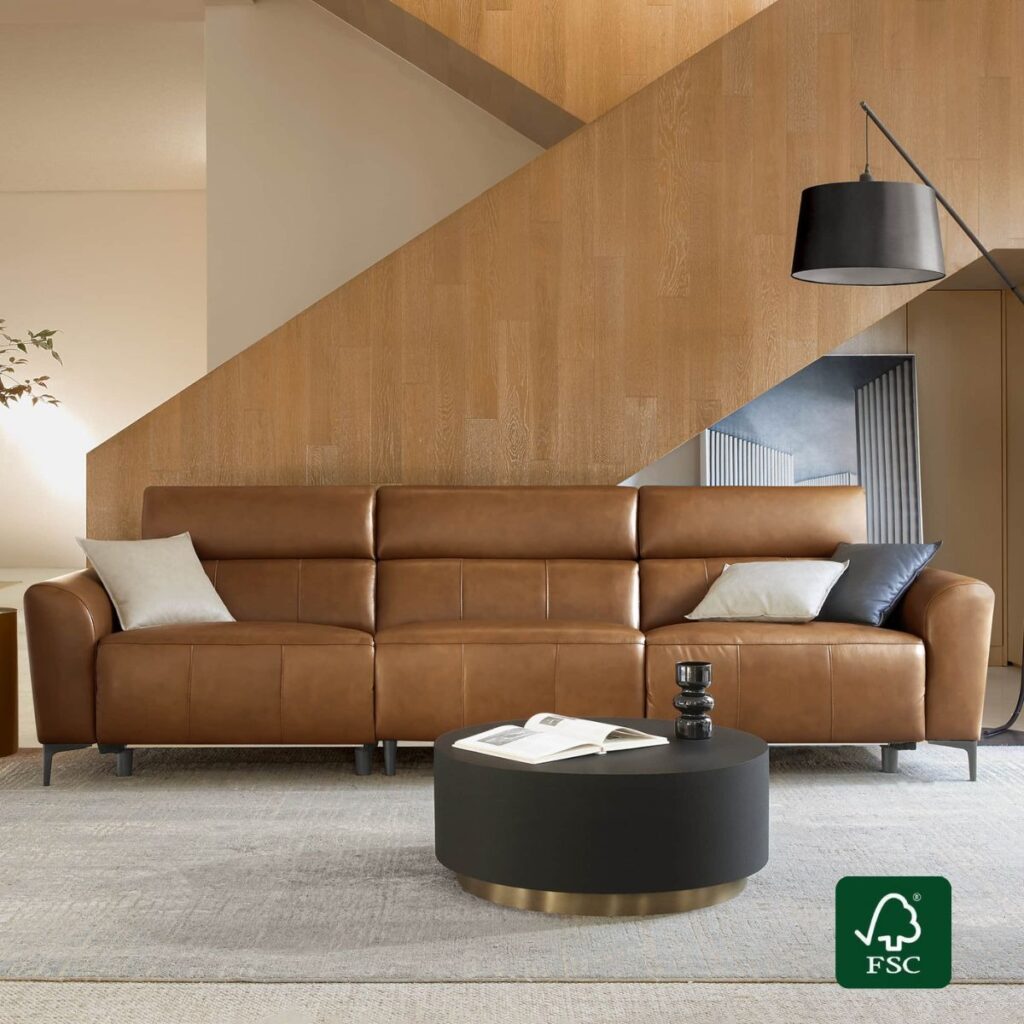
Space optimization starts with recognizing that reclining sofas interact with a room differently than standard seating. When fully extended, a recliner’s footrest and backrest expand the sofa’s footprint significantly—sometimes by as much as a foot or more behind and in front of the seated position. This means that a sofa fitting perfectly against a wall in its upright position might block a walkway or bump into a coffee table once reclined. For young professionals working with living rooms that double as home offices or dining areas, this spatial math becomes critical. The role of reclining sofas in small living areas is ultimately about enhancing your quality of life at home. After long hours at a desk or commuting, having a spot that genuinely supports relaxation—with proper lumbar support, elevated legs, and a comfortable headrest angle—can transform how you unwind. The key is ensuring that comfort doesn’t come at the cost of a functional, breathable living environment.
Assessing Your Space and Layout Needs
Before browsing any catalog, grab a tape measure and map out your room’s actual dimensions. Measure not just the wall where you plan to place the sofa, but also the depth of the space in front of it—this is where the reclining mechanism will extend. Mark the area on your floor with painter’s tape to visualize how much room the sofa will occupy in both upright and reclined positions. Next, consider traffic flow. You should maintain at least 30 inches of clearance for walkways between furniture pieces. In a studio apartment, this might mean positioning your reclining sofa at an angle or floating it slightly away from walls rather than pushing it into a corner where it blocks natural movement through the space. Think about what surrounds the sofa’s intended location. Nearby doors, radiators, or shelving units can all interfere with a recliner’s range of motion. Sketch a simple floor plan and note fixed elements you cannot move, then work your furniture placement around these constraints. This five-minute exercise prevents the frustration of discovering your new sofa can’t fully recline because it’s hitting a bookcase.
Essential Features to Prioritize: Adjustable Headrests and Power Recliners
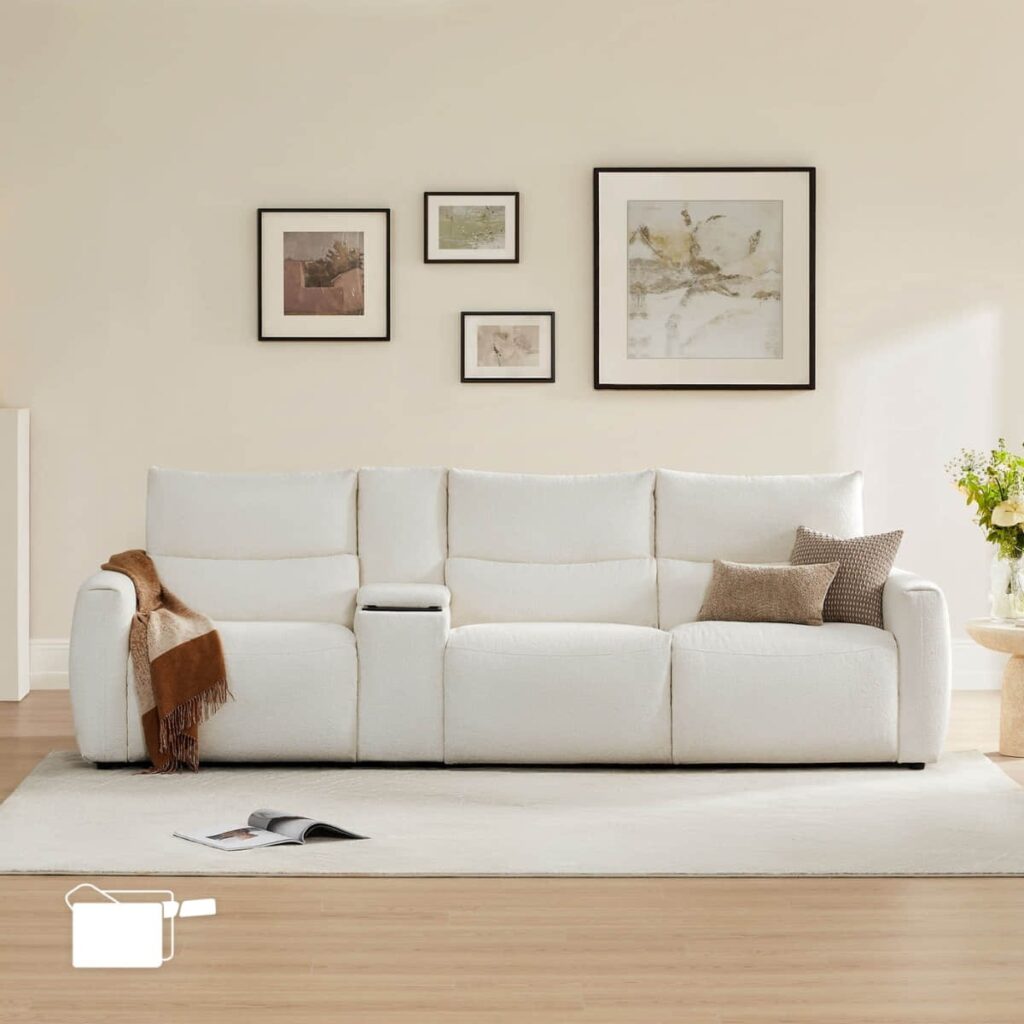
Not all reclining mechanisms are created equal, and in a small apartment, certain features deliver outsized benefits. Adjustable headrests allow you to customize your neck and head support without needing to recline the entire backrest. This means you can sit comfortably upright for reading or watching TV, then tilt the headrest forward for better screen viewing—all without changing the sofa’s overall footprint. It’s a small feature that eliminates the need for extra pillows cluttering your space. Power recliners are another game-changer for compact living. Unlike manual recliners that require a lever pull and often need momentum (and space behind the sofa for the back to tilt), many power recliners use a wall-hugger design. These models slide the seat forward as the back reclines, meaning you can place them just a few inches from the wall and still achieve full recline. The motorized control also lets you stop at any angle, finding that perfect in-between position that a manual mechanism simply can’t offer. For young professionals who value seamless, modern functionality, power recliners feel intuitive and effortless.
Step-by-Step Guide to Choosing the Best Reclining Sofa
Start by defining a realistic budget that accounts for delivery fees and any accessories you might need, like a compact side table to replace a coffee table that no longer fits. With your budget set, narrow your search to sofas whose dimensions—both upright and fully reclined—fit within the measurements you’ve already mapped out. Once you have a shortlist, test comfort in person whenever possible. Sit for at least ten minutes, recline fully, and pay attention to lumbar support and seat depth. A seat that’s too deep will leave shorter individuals without proper back contact, while one that’s too shallow won’t feel luxurious when reclined. Check the sofa’s construction materials next. Hardwood frames and high-density foam cushions outlast particleboard and low-resilience padding by years, which matters when you’re investing in a piece meant to serve a small space well over time. Brands like Chitaliving that specialize in quality wooden furniture construction understand the importance of durable hardwood framing for long-lasting performance. Finally, evaluate the upholstery based on your lifestyle—performance fabrics resist stains and pet hair, while leather develops character but requires conditioning. By following this sequence—budget, dimensions, comfort test, construction, and material—you avoid impulse purchases and land on a reclining sofa that genuinely fits your apartment and your life.
Effective Sofa Maintenance for Busy Young Professionals
Once you’ve found the perfect reclining sofa for your small apartment, protecting that investment through regular maintenance becomes essential. A well-maintained recliner doesn’t just look better—it performs better, retaining its supportive cushioning and smooth mechanical operation for years longer than a neglected one. For young professionals juggling demanding schedules, the idea of furniture maintenance might sound like yet another chore on an already packed to-do list. The reality, however, is that sofa maintenance doesn’t require hours of effort. A few consistent habits, performed in minutes rather than hours, can prevent the kind of deterioration that leads to costly repairs or premature replacement. This matters especially in a small apartment where your reclining sofa likely serves as the primary seating for everything from movie nights to remote work sessions to hosting friends. That level of daily use accelerates wear on fabrics, cushion foam, and mechanical components alike. Understanding what your sofa needs and when it needs attention keeps your living space looking polished and your recliner functioning as smoothly as the day it arrived.
Routine Cleaning and Care Practices
The most effective sofa maintenance strategy is one that fits naturally into your existing routine rather than demanding a separate block of time. Once a week, run a handheld vacuum or upholstery attachment across the seat cushions, crevices, and armrests to remove dust, crumbs, and pet hair before they work their way into the fabric fibers. This takes roughly three minutes and prevents the gritty buildup that gradually abrades upholstery from the inside out. For spot cleaning, keep a small spray bottle of fabric-appropriate cleaner within reach—address spills immediately by blotting rather than rubbing, which pushes liquid deeper into the padding. Every three to four months, attend to the reclining mechanism itself. Apply a silicone-based lubricant to the hinges, tracks, and pivot points where metal meets metal. You’ll notice the difference immediately in how quietly and effortlessly the recliner operates. If your model has a power recliner, inspect the cord and connections periodically to ensure nothing is fraying or pinched beneath the frame. Rotate and flip any removable cushions monthly to distribute wear evenly, preventing the single-side compression that creates visible indentations over time. These small acts of care compound into significant longevity gains without ever feeling burdensome.
Addressing Common Issues and Long-Term Upkeep
Even with consistent routine care, reclining sofas eventually develop issues that require targeted attention. The most common complaint is a mechanism that sticks, creaks, or fails to lock into position. Before assuming something is broken, clean any debris from the tracks and apply fresh lubricant—often, accumulated dust and fabric lint are the culprits rather than mechanical failure. If the problem persists, check whether any bolts have loosened over time, as vibration from regular use can gradually back them out. A simple wrench tightening often restores full function. Fabric wear is another inevitability, particularly on armrests and headrest areas that receive the most contact with skin oils and friction. Protect these zones proactively with washable armrest covers or a lightweight throw positioned where your head rests. For leather upholstery, apply a quality conditioner every six to eight weeks to prevent cracking and maintain suppleness—dry leather splits far more easily than hydrated leather. Cushion sagging signals that the foam core is compressing beyond recovery. Some manufacturers sell replacement cushion inserts, which cost a fraction of a new sofa and restore the supportive feel you originally purchased. When mechanical components do fail on power recliners, contact the manufacturer’s support line before hiring a general repair service, as warranty coverage or authorized technicians often handle these fixes more affordably and with proper replacement parts. Treating your reclining sofa as a long-term investment rather than a disposable purchase means these occasional interventions pay for themselves many times over.
Smart Planning, Features, and Care for Your Small-Space Recliner
Finding the best reclining sofa for a small apartment comes down to three interconnected priorities: smart spatial planning, feature selection that maximizes comfort per square foot, and consistent maintenance that protects your investment over time. By measuring your space thoroughly—including the clearance needed for full recline—you eliminate guesswork and avoid costly returns. Features like adjustable headrests let you customize support without expanding the sofa’s footprint, while power recliners with wall-hugger designs deliver full relaxation just inches from the wall, a genuine breakthrough for compact living rooms.
Maintenance doesn’t need to be time-consuming to be effective. A few minutes of weekly vacuuming, prompt spot treatment, and occasional mechanism lubrication keep your recliner performing and looking its best through years of heavy daily use. When issues do arise, addressing them early with targeted fixes—tightening bolts, conditioning leather, replacing worn cushion inserts—extends your sofa’s lifespan far beyond what neglect would allow. Armed with these practical strategies, you can confidently choose a reclining sofa that transforms your small apartment into a genuinely comfortable retreat without compromising the open, functional space your lifestyle demands.