
How Modern Mountain Bike Tire Design Is Changing Trail Riding
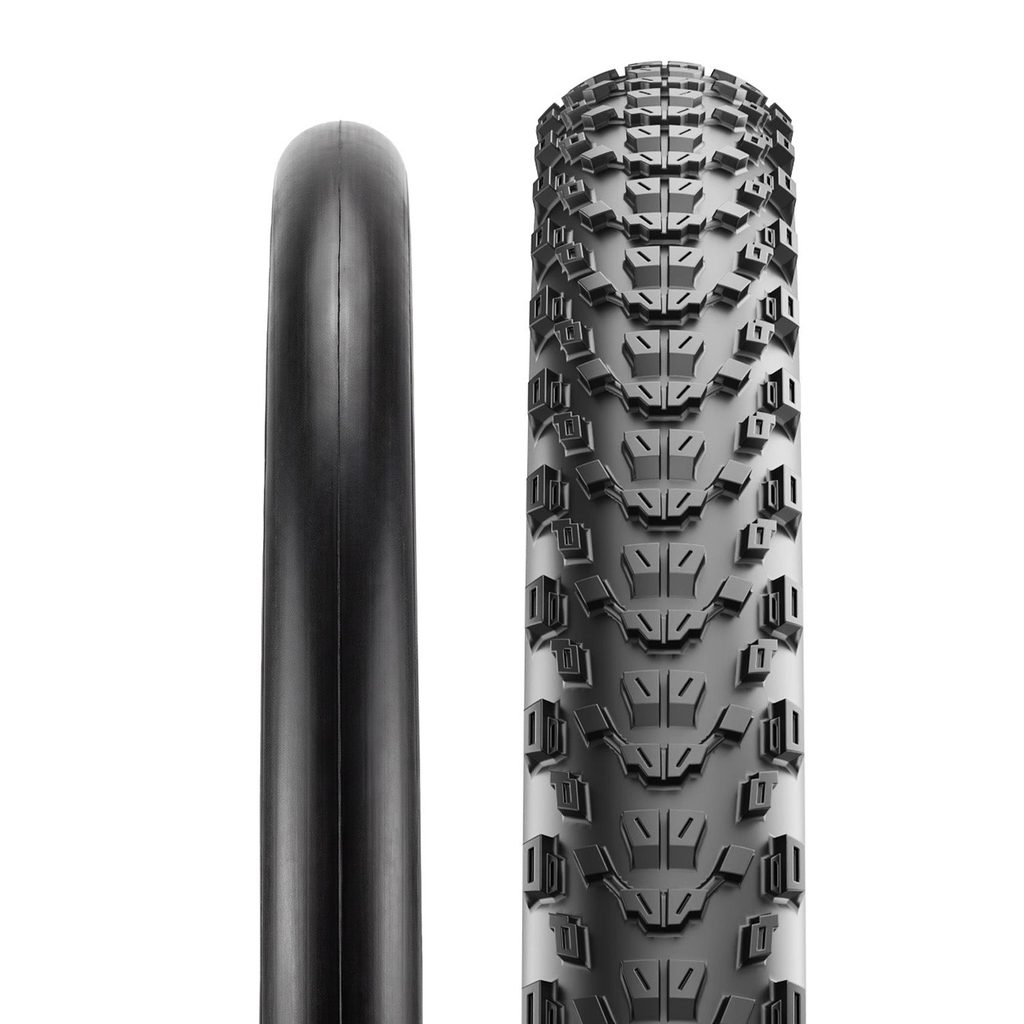
Mountain bike tires have quietly become one of the most engineered components on a modern trail bike. What used to be a fairly simple choice between a few tread patterns has evolved into a category shaped by compound science, casing technology, and terrain-specific design. Riders who haven’t paid close attention to these changes in recent years might be surprised at how much tire performance has shifted, and how much of a difference the right setup makes compared to older designs. Understanding where tire technology is heading, and why it matters, helps riders make more informed decisions rather than relying on outdated assumptions about what a “good” tire looks like. This piece looks at the trends shaping tire design today and what they mean for anyone spending real time on the trail.
The Shift Toward Terrain-Specific Engineering
Tire manufacturers have moved away from generic, do-everything designs in favor of tires engineered for specific conditions. This shift reflects a broader understanding that no single tread pattern can excel at loose rock, wet mud, hardpack, and everything in between. Instead, current designs specialize, offering distinct advantages depending on where and how a bike is ridden. A mountain bike tire built specifically for wet, technical trails performs meaningfully better in those conditions than a generalist tire ever could, even if the generalist looks similar on paper.
This specialization means riders now have more decisions to make, but it also means better performance is available for those willing to match a tire to their actual riding conditions rather than defaulting to whatever looks most popular.
Compound Technology and Grip Trade-offs
Rubber compound has become just as important as tread shape. Softer compounds grip better on rock and technical terrain but wear down faster and add rolling resistance. Firmer compounds last longer and roll more efficiently but sacrifice some outright traction. Many modern tires now use dual or triple compound construction, placing softer rubber at the edges for cornering grip while keeping a firmer center for durability and efficiency.
Why Compound Placement Matters
This layered approach allows a single tire to behave differently depending on lean angle, offering efficient rolling when upright and increased grip when cornering hard. Riders who understand this can better judge which tires suit aggressive cornering versus long, efficient rides on flatter terrain.
Casing Innovations for Durability and Feel
Casing construction has also advanced significantly, with reinforced sidewalls and puncture protection layers becoming standard on tires built for technical terrain. These improvements reduce flats without adding excessive weight, a balance that was much harder to achieve in older tire designs. Riders tackling rocky, root-heavy trails benefit most from these advances, since sidewall damage has historically been one of the most common trail-ending failures.
Juceo has incorporated many of these casing improvements into its lineup, reflecting how seriously durability is now treated alongside grip and rolling efficiency in tire development.
What These Advances Mean for Everyday Riders
These technological shifts aren’t just marketing points, they translate into real, noticeable differences on the trail. Riders switching from older, generic tires to modern, terrain-specific options often report more predictable cornering, fewer flats, and less fatigue from unnecessary rolling resistance. Staying aware of these trends, rather than sticking with the same tire choice out of habit, helps riders take advantage of genuine performance improvements rather than missing out on them.
Riding the Wave of Tire Innovation
Tire technology has advanced well beyond simple tread pattern choices, and riders who understand these shifts are better positioned to choose equipment that actually matches how tire performance has evolved. Terrain-specific engineering, layered compounds, and improved casing construction all work together to deliver grip, durability, and efficiency in ways older designs couldn’t manage. Staying informed about these developments isn’t about chasing trends for their own sake, it’s about recognizing when a genuine improvement is worth incorporating into your setup. The trails haven’t changed, but the tools available to ride them well certainly have.