
Why Stainless Steel Cat Litter Boxes Beat Plastic in Every Way
Most cat owners replace a litter box only when it cracks, leaks, or smells so strongly that no amount of scrubbing helps. That habit hides a quieter problem: the box itself may be working against you long before it fails outright. Plastic trays scratch easily, and those scratches trap bacteria and odor in ways that are invisible at a glance but obvious to your nose. Stainless steel changes the equation. It is the same material used in commercial kitchens and veterinary clinics, chosen because it resists staining, does not absorb smells, and survives years of daily use. For something that sits in your home and handles waste every day, the material is not a minor detail. It shapes how often you clean, how much litter you waste, and whether your living space smells neutral or not. This guide explains what separates stainless steel from plastic, how to pick the right box, and how to keep it working well for years.
The Material Matters More Than You Think
A litter box has one of the hardest jobs in any home. It holds moisture, ammonia, grit, and organic waste around the clock, then gets washed and refilled. Most plastic boxes are built to a price, with thin walls, molded seams, and a surface that looks smooth but behaves like a sponge at a microscopic level. Every scoop drags a little grit across the bottom, and every set of claws leaves its mark. Those small injuries accumulate into a surface that no longer rinses clean.
This is why a stainless steel cat litter box has become a common upgrade rather than a niche choice. The surface is non-porous, so waste sits on top instead of soaking in. Odors do not cling the way they do to worn plastic, and the box can be washed with hot water and ordinary soap without warping or fading. The difference is most obvious in small apartments, where a lingering smell has nowhere to go, and in homes with more than one cat, where the box is in near-constant use. Owners who switch often describe the same experience: the box smells like nothing after a wash, not like perfume covering something worse.
How Plastic Ages in a Litter Box
New plastic looks clean and feels smooth. Within a few weeks of scooping, though, the bottom and corners begin to show dull patches. Urine is slightly acidic, and over time it etches the surface. Once that happens, every cleaning becomes a partial cleaning. You can remove the visible grime, but odor molecules have already bonded to the scratched material, and a warm, damp bathroom gives them exactly the conditions they need to keep releasing. Many owners respond by buying stronger cleaners, which can leave chemical smells that discourage cats from using the box at all. The cycle is familiar: more scrubbing, more scent, less reliable use.
What Stainless Steel Does Differently
Steel has no pores to fill and no coating to wear through. Scooping leaves no permanent marks, and a washcloth glides across the surface instead of catching on gouges. Because the material does not hold odor, you can clean thoroughly with warm water and a mild dish soap. That matters for cats with sensitive noses, who may avoid a box that smells of disinfectant. It also means the box does not need replacing every year or two, which changes the cost conversation entirely. A steel tray that lasts a decade is often cheaper than four plastic trays that each lasted a season or two.
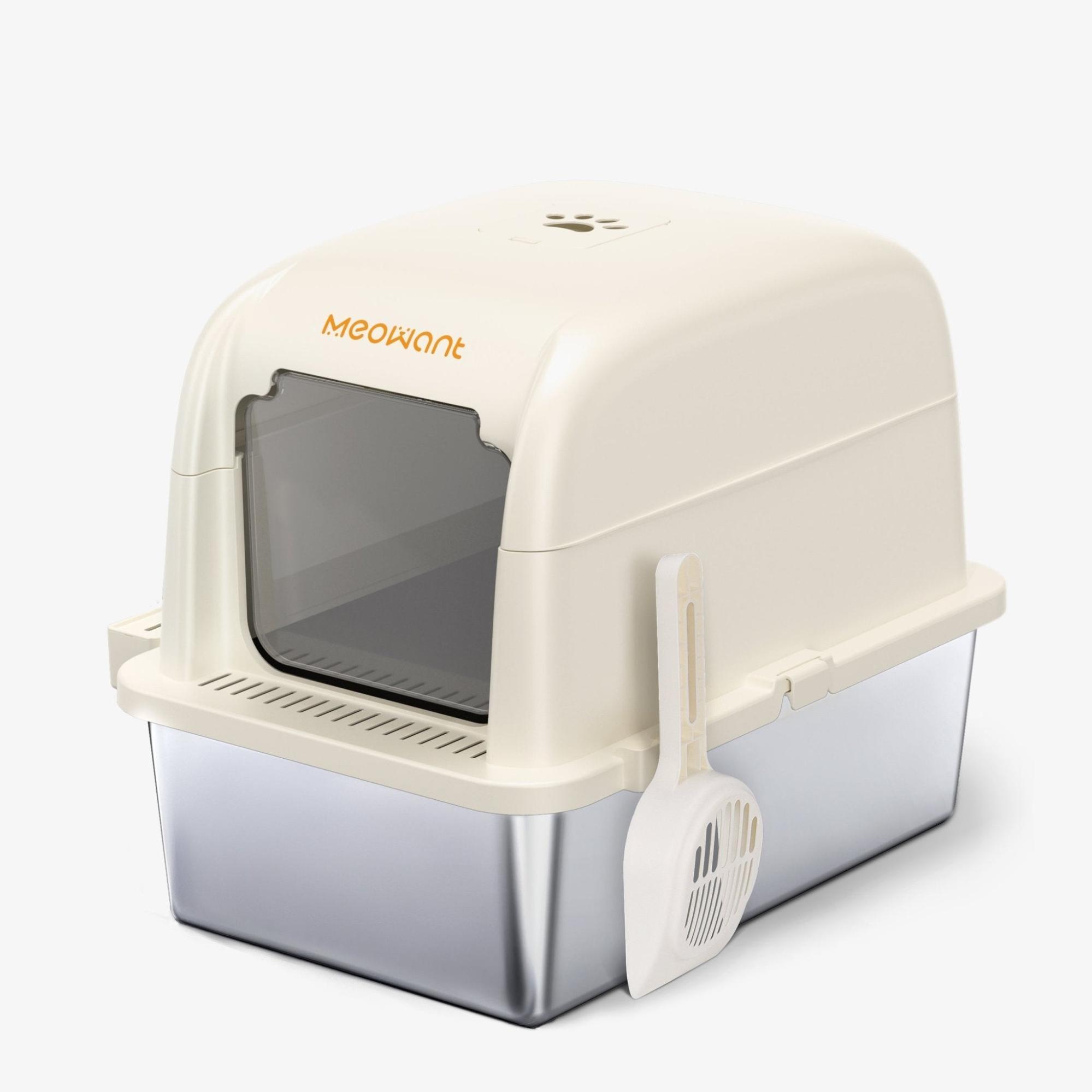
Choosing the Right Stainless Steel Box
Not every steel box is built the same way. Two trays can look identical on a product page and behave very differently after a year of use. The details that matter are mostly about construction and fit with your cat, not about features that sound impressive in marketing copy.
Size and Entry Height
A box should be roughly one and a half times the length of your cat, measured from nose to the base of the tail. Too small, and your cat will hang over the edge or start eliminating beside the box. Too tall, and older cats or small kittens may struggle to climb in, which can lead to accidents outside the tray. Look for a low front entry paired with higher sides, a combination that is easy to step into but still contains litter and spray. Watch your cat move before you commit to a deep design. A cat with arthritis may need a ramp or a cut-down entry, while a vigorous young cat will do fine with taller walls that keep mess contained.
Depth, Rim, and Litter Tracking
Two to three inches of clumping litter is usually the sweet spot. A rolled or reinforced rim keeps urine from seeping under the liner edge and gives you something solid to grip when carrying a full box. Some designs add a built-in step or a grated return path that catches litter from the paws before your cat leaves. That single feature can cut tracking across a hallway by a surprising amount, especially with long-haired cats. Also check the base: a flat, wide footprint resists tipping when a cat launches out of the box, while a narrow base on a slick floor is an accident waiting to happen.
Living With Stainless Steel Day to Day
The practical advantage of steel shows up in routine, not in the first week. Because the surface resists buildup, maintenance stays quick and predictable. Owners who used to dread a monthly deep clean often find that the job shrinks to a ten-minute task.
A Simple Cleaning Rhythm
Scoop at least once a day, ideally twice, and top off the litter as the level drops. Once a week, empty the box, wash it with warm water and mild soap, and dry it fully before refilling. Once a month, use a pet-safe cleaner and check the corners for any film. Because steel does not absorb liquid, a thorough wash actually resets the box to a neutral state, something plastic can rarely achieve after a few months of use. Keep a spare litter scoop and a dedicated sponge so the job stays easy. The goal is a routine you will actually repeat, not a deep clean that happens twice a year.
Helping Your Cat Adjust
Most cats accept a new box within days, but the transition goes faster if you keep the litter and location familiar. Place the steel box in the same spot as the old one, add a scoop of used litter to carry the familiar scent, and keep the old box nearby for a week if your cat is cautious. Never clean the new box with heavily scented products before the first use. A faint, clean smell is far more inviting than a floral one. If your cat ignores the box for more than two days, try moving it a few feet, or mix the old and new litter for a few days before switching completely.
Where Stainless Steel Fits in a Multi-Cat Home
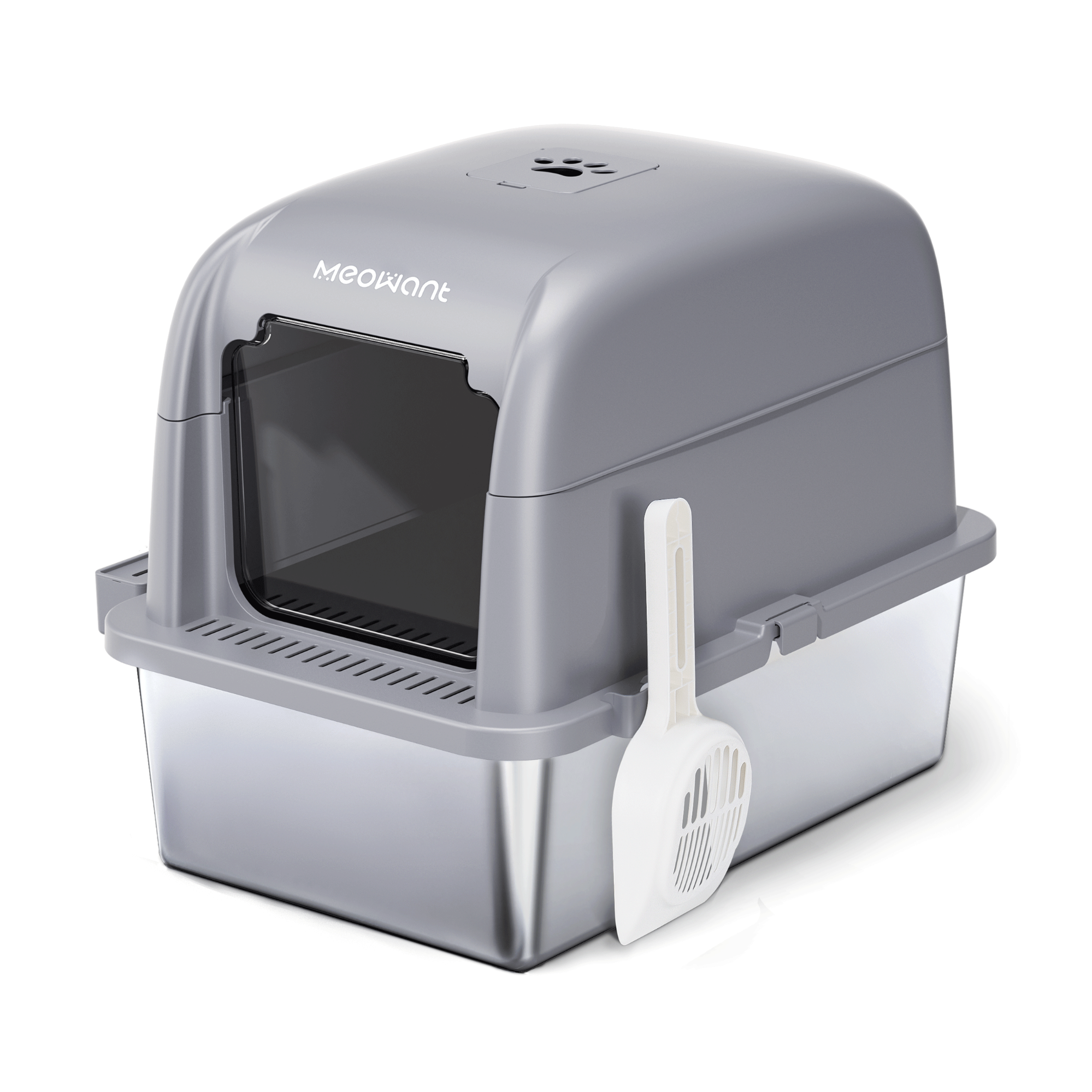
In homes with two or more cats, odor control stops being a preference and becomes a necessity. The general rule is one box per cat, plus one extra, and steel makes that math easier to live with. Each box can be cleaned deeply without degrading, so you are not rotating worn trays in and out. Steel is also sturdier under the weight of a large cat stepping on the rim, and it does not flex or tip the way lightweight plastic can. Brands such as Meowant design their steel boxes with these everyday pressures in mind, using a low entry and a reinforced body that hold up to constant traffic. For a household with three cats and one small laundry room, that durability is the difference between a workable setup and a constant battle with smell.
A Box That Earns Its Place
Choosing a litter box is usually treated as an afterthought, something to grab along with a bag of litter. In practice, the box is the piece of equipment your cat uses more than any other, and the material decides how well it performs over years of daily wear. Stainless steel costs more upfront, but it does not scratch into a breeding ground for odor, it washes back to clean, and it does not need replacing every season. Pair it with the right litter depth, a sensible cleaning rhythm, and a location your cat can reach without stress, and the result is a quieter home, less waste, and a cat that uses the box reliably. For most owners, that combination is worth the upgrade.