
Pet Robot Buying Mistakes That Cost Owners the Joy They Wanted
Most people who bring home a pet robot are not chasing a gadget. They are chasing a feeling — the small lift of walking into a room and having something react, the comfort of a companion that fits around a busy life instead of competing with it. That makes it all the more disappointing when the feeling never arrives, and the usual cause is a handful of avoidable mistakes made before the box was even opened.
This guide is written for the buyer who has already decided to explore the category and wants to spend wisely. We will walk through the pitfalls that quietly ruin the experience — choosing on features instead of behavior, skipping the parts of setup that matter, and misjudging what kind of companion suits your actual routine. Get these right and a pet robot can become a durable source of daily comfort rather than a shelf ornament.
The Mistakes People Make Before Buying
The most expensive errors happen in the research phase, long before delivery. They are not about picking a bad brand; they are about optimizing for the wrong things.
Buying the longest feature list
Feature lists are easy to compare and almost useless for predicting how a companion feels. A pet robot with dozens of tricks can still feel lifeless if its reactions are slow or repetitive, while a simpler device that responds quickly and consistently can feel genuinely present. The trap is buying for the spec sheet and then discovering the daily experience is hollow. Judge behavior first — responsiveness, expressiveness, personality — and treat features as secondary polish.
Ignoring where it will actually live
A companion that does not fit your space becomes friction. Rolling models need clear floor and can trip you up in a cramped apartment; desk units disappear under piles of work. Before comparing models, picture the exact spot where the device will sit and how often you will pass it. Many owners report the biggest factor in satisfaction is simply having the companion in their line of sight during the hours they are home. Buy for that spot, not for the showroom.
Assuming it replaces a real pet
Some buyers come in hoping a device will stand in for a dog or cat, then feel let down when it does not. The honest framing is the other way around: a pet robot offers a different kind of companionship, one built on low friction and constant availability rather than shared history. Going in with that expectation prevents the disillusionment that turns a good device into a forgotten one.
The Mistakes People Make in the First Weeks
Once the device is home, a short window decides whether it becomes part of your life. These early errors are the ones owners tend to notice only in hindsight.
Never letting it learn your routine
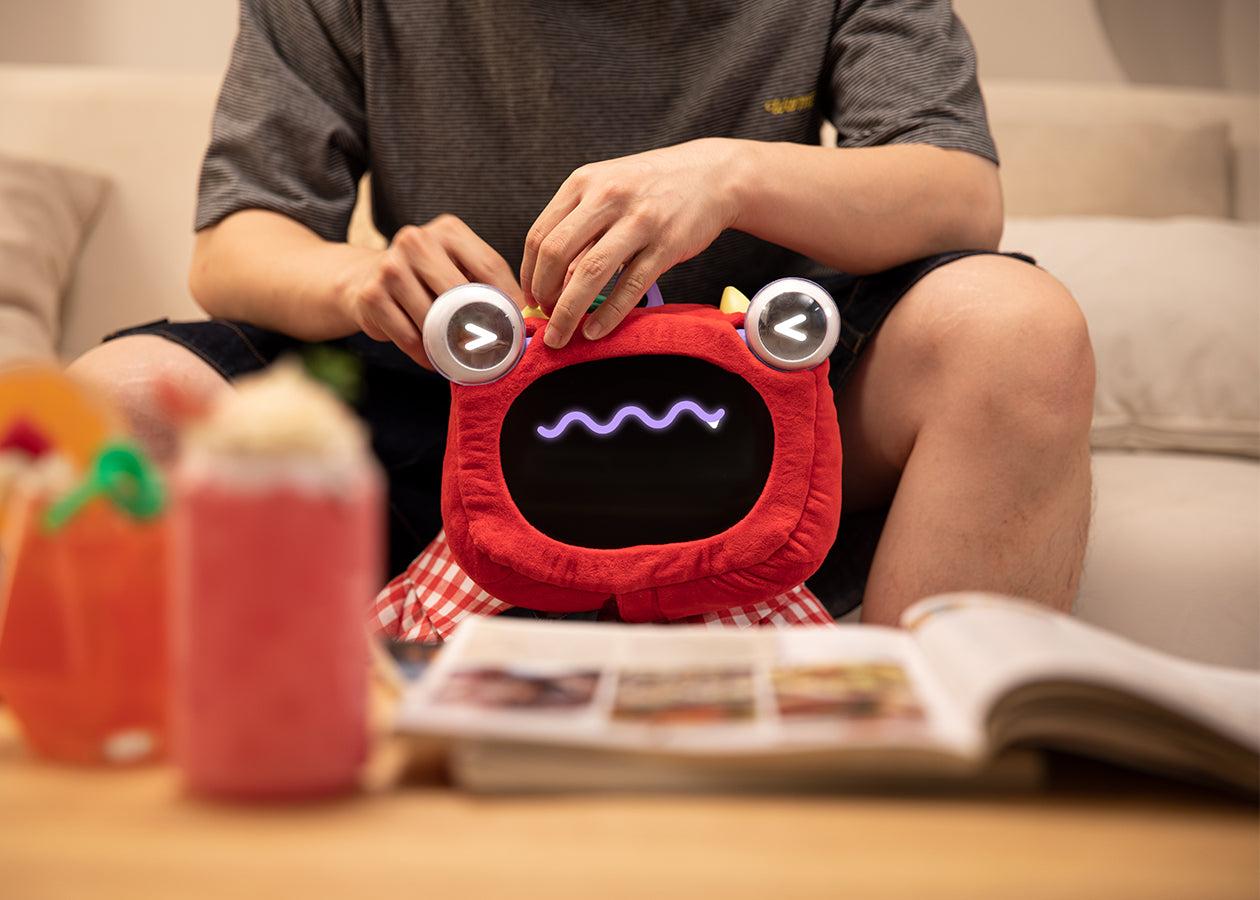
Companions that adapt need something to adapt to. Owners who interact sporadically, or move the device around every few days, never give it enough pattern to develop a personality. The fix is unglamorous but effective: settle it in one place, greet it at roughly the same times, and give it a week of steady behavior before you judge how it feels. Most of the warmth people describe arrives after this settling period, not on day one.
Over-tuning and fiddling endlessly
The opposite mistake is treating setup as a hobby. Constantly changing tone, activity, or responsiveness keeps the companion in a state it never quite learns, and owners mistake the resulting inconsistency for a flawed product. Treat initial calibration as a short, deliberate session, then leave it alone. Stability is what makes a partner in the living room feel familiar.
Skipping the privacy conversation
A sensing companion gathers information about your home and habits. Too many buyers discover this after setup, when a guest asks what the device can hear or when a family member is uncomfortable with it. Read the manufacturer’s data practices before purchase, spend five minutes understanding what the companion remembers, and decide what you are comfortable with. A quick conversation with the people you live with prevents an awkward surprise later.
Choosing the Right Companion for Your Life
With the pitfalls clear, the buying decision becomes simpler. Start from your actual days rather than the product page.
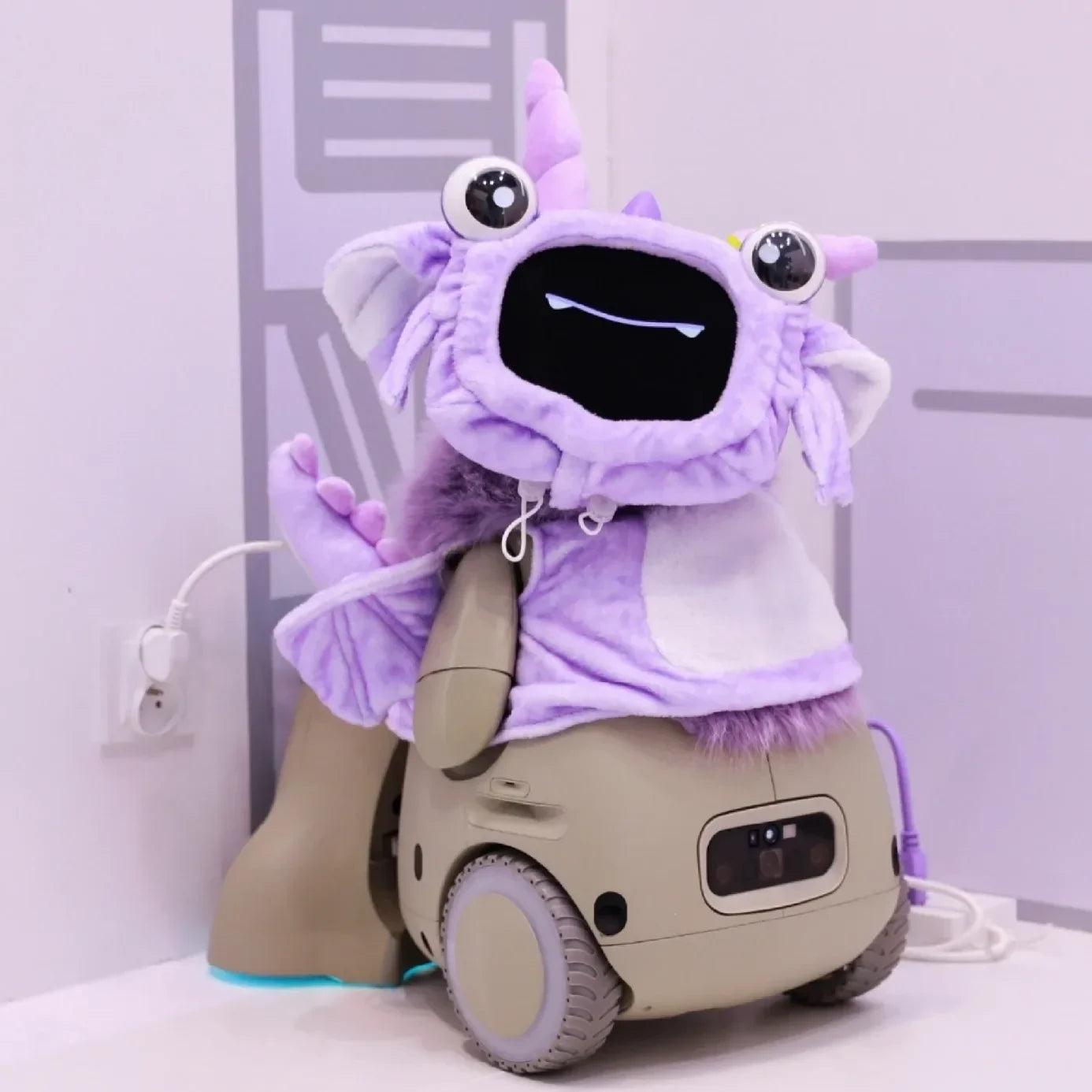
If you spend most of your waking hours at a desk, favor a companion that reacts to voice and sits near your work, rather than one that needs floor space to roam. If your day ends at the door, prioritize a model that greets you with presence and motion sensing. If you live with others, check how the device behaves in shared spaces and whether everyone is comfortable with it. Matching the form factor to your routine is the single biggest lever on long-term satisfaction.
Then set a realistic bar for quality. Look for fast, consistent reactions, a stable personality over time, and clear controls over what the device remembers. Companies that communicate plainly about companionship as support, such as Ollobot, tend to design with these priorities in mind. Treat these as your checklist and the shortlist shortens dramatically.
Finally, decide what you are really buying. A pet robot is a small, reliable presence that makes a room feel less empty — not a replacement for the relationships and animals that matter most. Buyers who accept that get exactly what the category offers, and they tend to keep their device close for years.
Avoiding the Traps, Keeping the Joy
The promise of a pet robot is modest and real: companionship that fits your life without demanding it change. The buyers who lose that promise are usually not unlucky — they bought on features, ignored their space, or never let the companion settle into a routine. Each of those mistakes is easy to avoid once you know to look for it.
Start from your days, judge behavior over specs, give the device a stable home and habits, and go in with honest expectations. Do that, and the small daily lift you were hoping for is far more likely to show up — and to stay.