
Smart Surface Automotive Innovation: Bringing Touch, Light & Functionality to Car Panels
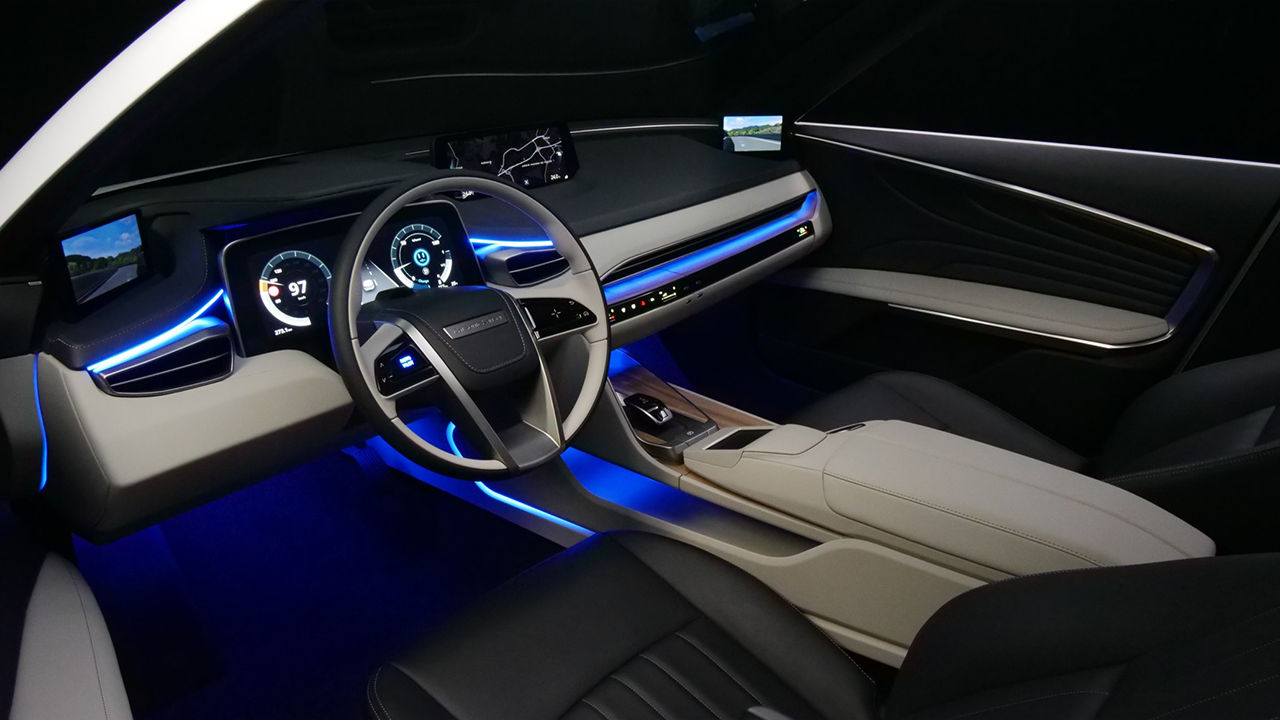
Smart surface automotive technology is transforming the way drivers and passengers interact with vehicle interiors, blending touch, lighting, and functionality into sleek, intuitive panels. By integrating responsive surfaces and dynamic illumination, car manufacturers are creating a more engaging and user-friendly driving experience. This article explores how these innovations are reshaping automotive design and enhancing both comfort and convenience in modern vehicles.
What Are Smart Surfaces?
Smart surfaces are advanced interior panels in vehicles that combine sensors, lighting, and touch controls into flat or curved surfaces. Instead of traditional buttons or knobs, they respond to touch, gestures, or proximity, creating a smooth, futuristic experience for drivers and passengers.
Why Are They Emerging in Automotive Design?
Automakers are adopting smart surfaces for several reasons:
- Reduce part count – Fewer physical components simplify the interior.
- Save space and weight – Compact, integrated panels help make cabins lighter and less cluttered.
- Enhance user experience – Seamless controls and interactive lighting improve usability and cabin aesthetics.
- Lower maintenance and wear – Fewer mechanical parts mean less risk of failure and easier upkeep.
This trend is part of improving the human-machine interface (HMI), where smart lighting and touch feedback make controls safer, easier to use, and more personalized. It helps make the car interior more intuitive, comfortable, and enjoyable for drivers and passengers.
Touch-Responsive Technology in Car Panels
Touch-responsive panels detect and respond to touch without physical buttons. Using capacitive sensors they allow drivers and passengers to control climate, infotainment, lighting, and seats through touch or hand proximity.
Key Features
- Gesture and Touch Detection: Panels respond to taps, swipes, or hand gestures for seamless operation.
- Haptic Feedback: Simulates the feel of pressing a physical button to confirm actions.
- Integrated Lighting: Visual signal highlights active controls, guiding users for easier interaction.
- Flexible Panel Integration: Can be embedded in curved or textured surfaces, maintaining design continuity.
Benefits
- Reduces Mechanical Parts: Minimizes wear and lowers maintenance requirements.
- Creates Modern, Clean Interiors: Delivers sleek, uncluttered cabin designs.
- Improves Safety and Usability: Provides immediate visual or tactile feedback without distracting the driver.
Touch-responsive technology makes vehicle controls more intuitive, interactive, and aesthetically integrated, improving the overall driving experience.
Innovative Lighting Solutions
Modern automotive interiors are increasingly using innovative lighting solutions to enhance both functionality and aesthetics. Smart LEDs and integrated lighting systems are no longer just for visibility they also communicate information, guide drivers, and elevate the cabin experience.
Key Features
- Ambient and Mood Lighting: Customizable colors and brightness improve comfort and cabin appeal.
- Functional Indicators: Lights can signal active controls, drive modes, or warnings, enhancing safety.
- Dynamic and Adaptive Lighting: Adjusts automatically based on driving conditions, time of day, or vehicle settings.
- Integration with Smart Surfaces: Embedded LEDs in touch panels provide visual feedback and an interactive signal.
Benefits
- Enhances Interior Aesthetics and Experience: Creates a visually appealing cabin while making interactions more engaging and intuitive.
- Boosts Usability and Safety: Highlights controls and provides context-aware visual signals, helping drivers operate systems more confidently.
- Promotes Energy Efficiency: Uses low-power, long-lasting LED technology to reduce energy consumption without compromising performance.
Innovative lighting solutions transform vehicle interiors into interactive, visually engaging, and safer environments.
Functional Integration
Functional integration combines lighting, touch controls, haptics, and displays into a single seamless surface. Instead of using separate buttons, knobs, or indicators, a smart surface can handle multiple functions.
Key Features
- Multi-Purpose Panels: A single panel can control climate, infotainment, and lighting while providing visual and tactile feedback.
- Reduced Clutter: Eliminates the need for multiple mechanical controls, creating a cleaner, more modern interior.
- Enhanced Interaction: Integrated feedback ensures drivers can operate controls safely and intuitively.
Benefits
- Easier and more comfortable to use – Controls are designed for natural, effortless interaction.
- Sleek, unified design – Integrating functions into panels keeps the interior clean and modern.
- Better overall experience – Combining touch, lighting, and feedback makes controls intuitive and enjoyable to use.
Functional integration allows vehicle interiors to be more efficient, interactive, and visually streamlined.
Impact on User Experience
Smart surfaces and integrated technologies significantly enhance the user experience in vehicles by making interactions more intuitive, engaging, and efficient.
Key Impacts:
- Ease of Use: Touch-sensitive panels and gesture controls simplify access to climate, infotainment, and vehicle settings.
- Immediate Feedback: Haptic responses and visual signal confirm actions, reducing mistakes and increasing driver confidence.
- Personalization: Adaptive lighting and configurable controls let users tailor the cabin environment to their preferences.
- Aesthetic Appeal: Smart surfaces create modern, stylish, and high-tech interiors, enhancing the overall visual experience for passengers.
- Safety: Intuitive controls and clear feedback minimize driver distraction, supporting safer operation.
Smart surfaces enhance driving by making interiors connected, comfortable, safe, and stylish.
Challenges and Considerations
Although smart surfaces provide many advantages, automakers face several important challenges when adding them to vehicles:
- Technical and Manufacturing Challenges
Smart surfaces use sensors, LEDs, flexible circuits, and haptic feedback built into panels. Ensuring these parts work reliably in heat, cold, vibration, and humidity is a big engineering challenge. Producing these systems is more complex and costly than traditional controls, especially on curved or textured panels.
- Balancing Style, Function, and Safety
Designers must create interiors that are stylish yet safe and easy to use. Touch-based or hidden panels can confuse drivers if the touch areas, lights, or haptic feedback aren’t clear. Lighting and interactive features must guide the driver without being distracting.
- Maintenance and Long-Term Performance
Smart surfaces are more complex to repair or replace than traditional buttons because their electronics are built into panels. Manufacturers must ensure these systems remain reliable, durable, and responsive throughout the vehicle’s lifetime.
The Future of Automotive Interiors
As smart surface technology becomes increasingly standard, automakers are transforming vehicle interiors into spaces that are more intuitive, connected, and visually engaging. Traditional layouts with buttons and knobs are giving way to seamless panels that integrate touch-sensitive controls, adaptive lighting, and interactive feedback, creating a modern, tech-forward experience for drivers and passengers.
Key Trends Shaping the Future
- Seamless and Minimalist Design: Smart surfaces enable smooth, uncluttered dashboards and panels by replacing traditional buttons. This gives interiors a modern, elegant look while making them comfortable and easy to use.
- Adaptive and Personalized Lighting: LEDs provide ambient lighting, highlight active controls, and change according to driving mode or user preferences.
- Multi-Functional Interfaces: Single panels can combine lighting, touch control, haptic feedback, and displays, reducing complexity and improving usability.
- Connected and Intelligent Interiors: Integration with AI and vehicle systems enables predictive controls, voice interaction, and context-aware feedback.
- Sustainability and Efficiency: Lightweight, low-power LEDs and flexible electronics reduce energy consumption and vehicle weight.
Brightek’s Role: Brightek helps make this transformation possible by providing strong, versatile LED solutions. Their LEDs offer bright lighting, long-lasting performance, and flexible design options, allowing automakers to create car interiors that are stylish, functional, and highly interactive. Car interiors are becoming more immersive, user-friendly, and high-tech. Smart surfaces and advanced lighting make driving safer, easier, and more enjoyable.