
Learning to Manage Your Anxiety More Effectively
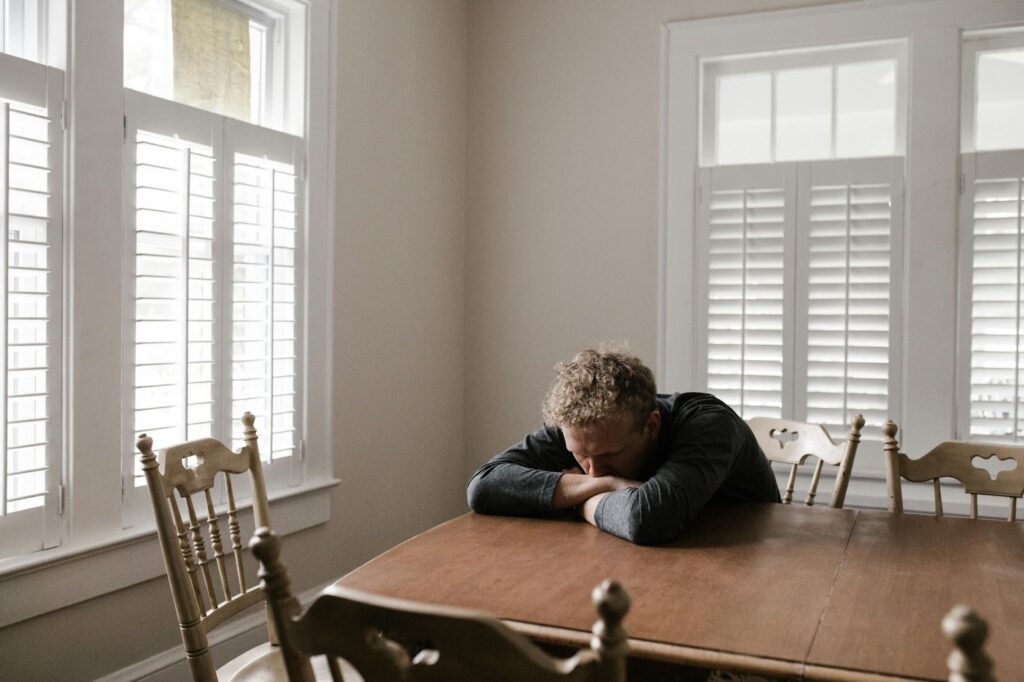
In recent years, anxiety disorders have become increasingly common around the world, affecting an estimated 359 million people worldwide. Many people also experience anxiety on a daily basis without an official diagnosis, potentially making that number ever higher. So, if you struggle with anxiety, you’re not alone.
The good news is that anxiety disorders are generally very treatable. There are a lot of things you can do yourself to relieve your anxiety, and you can also seek professional help to reclaim your life and joy.
What Can Cause Anxiety?
Anxiety has a lot of potential causes. On its own, experiencing anxiety when you’re faced with a specific problem isn’t unusual. You might get anxious when asking someone on a date or starting a new job. It’s how our body warns us of danger or prepares us to act. Anxiety becomes a problem when it doesn’t go away or significantly impacts your life.
There are a lot of different types of anxiety disorders, including generalized anxiety disorder, PTSD, social anxiety disorder, and panic disorder. Some phobias can also be considered anxiety disorders if they cause significant distress or impact your life.
These disorders can stem from a number of causes, including:
- Childhood events and trauma
- Financial insecurity
- Recent changes in your life
- Exhaustion and stress
- Homelessness
- Grief
- Abuse
- Physical or mental health problems
- Drugs, medications, and other substances
Sometimes, knowing the root cause of your anxiety can help you to deal with it. But even if you’re not sure why you’re anxious all the time, it will still impact your life, and you should still try to relieve it.
How Anxiety Affects Your Health
As well as making you generally feel uncomfortable in specific situations, anxiety can have a huge impact on your mental and physical health.
Anxiety can often be linked with depression and feelings of low self-worth, and it can become a vicious cycle. This is especially true if your anxiety prevents you from doing things you want to do. In some cases, people might self-medicate with drugs or alcohol, which can have an even more severe impact on mental health.
Common symptoms of anxiety might include:
- Regular nausea or stomach pain
- Heart palpitations
- Difficulty sleeping
- Difficulty concentrating
- Excessive sweating or trembling
- Irritability
- A sense of doom or panic
Over time, anxiety can make you increasingly exhausted and prone to physical health problems. It’s been linked to poor sleep, which can be damaging to your health. This, in turn, can also make your anxiety even worse over time.
Dealing With Anxiety Yourself
If you’ve noticed that you’ve been excessively stressed or anxious recently, it doesn’t necessarily mean you have an anxiety disorder. Modern life is hectic and stressful, and a lot of people get more anxious around national holidays or when they’re busy at work.
But you can often deal with these feelings of anxiety yourself. Here are a few ways to do so.

Self-Care and Rest Days
One common reason people get anxious is that they are always “on” and don’t ever get a chance to relax and take a breath. This means that sometimes relieving your anxiety is as simple as taking a day or a week off work and actually giving yourself time.
On the smaller scale, it’s important to give yourself rest breaks throughout the day. This can do a lot to reduce stress and the risk of getting burnout, especially if you have a stressful job or act as a caregiver.
During this time, do things you enjoy. This could include just sitting at home and catching up on some films, video games, or your favorite tv program. But it’s also good to try to be a bit more productive. This doesn’t mean you have to catch up on all the chores, but look for different ways to relax that aren’t completely passive.
Journaling or drawing can be a great way to manage your anxiety, as these are inherently peaceful activities. They also provide a creative outlet so you can express yourself in a safe way.
Exercise and Mental Health
Another way to support your mental health is to get regular exercise. On its own, exercise has been proven to improve mental health, no matter what you do. If you’ve never exercised before, start small and do something you enjoy.
The goal isn’t necessarily to get ripped, although it is nice to feel more confident in your body. Rather, you want to enjoy yourself and become fitter over time. Keep the pressure low and just enjoy the endorphins that get released as you exercise.
You can kill two birds with one stone by exercising outside, either by walking or cycling, because simply being outside can reduce your feelings of stress and anxiety. Or you can play a sport with friends.
Talking to Friends and Family
If you’re feeling anxious, you can feel like you’re the only person who understands how you feel. Sometimes just talking to someone you trust can help you express your feelings and feel better. Just getting things out in the open can be helpful, but other people might also be able to offer advice or even point out flaws in your thinking that make you feel worse.
Try not to just dump every negative thought on the same people over and over again, and make sure to have a reciprocal conversation.
Seeking Professional Intervention
There’s no shame in feeling as though you need even more support when you’re dealing with anxiety. There are a lot of different professional options and treatments available, and some work extremely well.
Counseling and medication are commonly used in conjunction with each other, as the medication can help you cope with the symptoms of anxiety while the therapy helps you process it. If you prefer a less traditional approach, somatic therapy with experienced clinicians at Manhattan Mental Health Counseling can have some great results. It’s important to find a therapist you can trust and a treatment method that resonates with you.