Save Studio Time With a Motorized Photography Backdrop
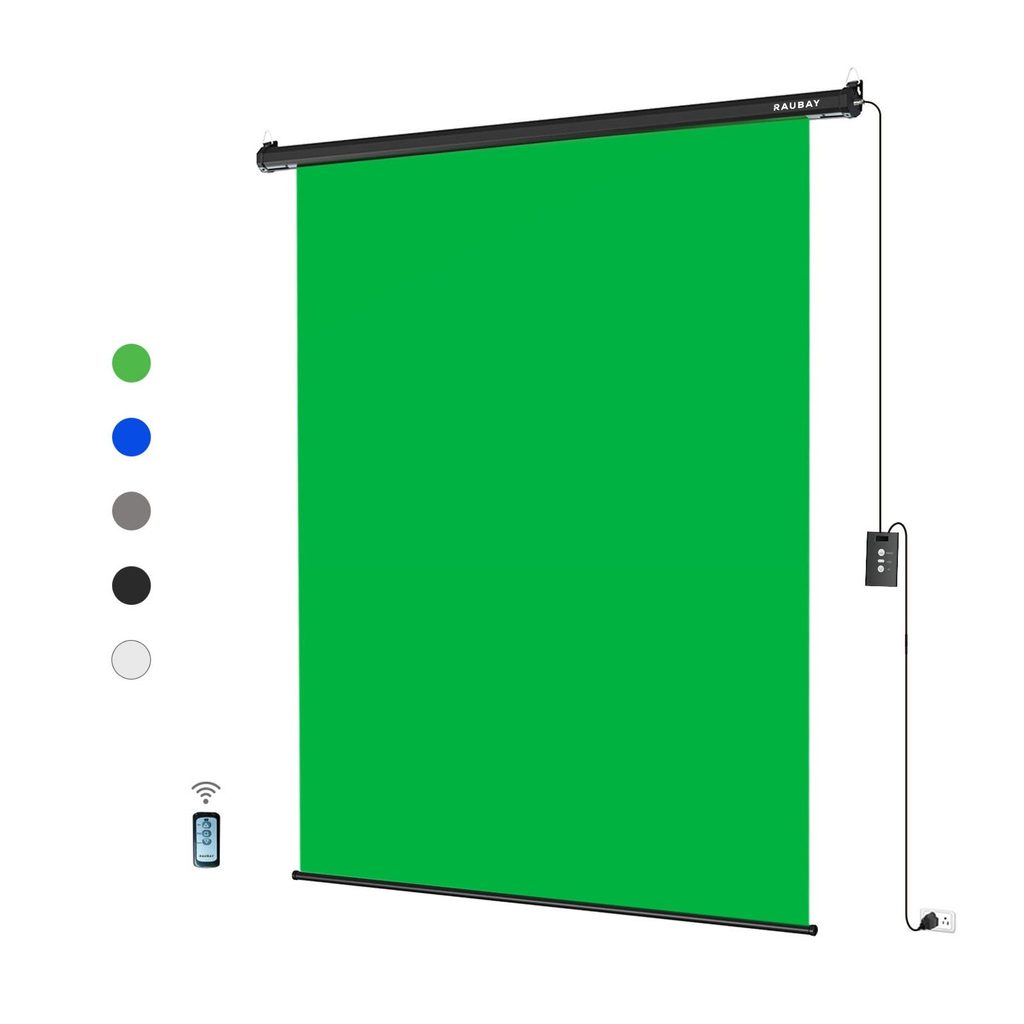
The slowest moments in a studio day are rarely creative. They are the transitions between setups: rolling a new backdrop into place, adjusting stand height, clamping the edges flat, and then reversing the process for the next scene. On a busy shoot day those minutes stack into hours, and the crew spends more time moving fabric than actually making pictures. A motor-driven backdrop system changes the shape of that problem. Backgrounds cycle in and out by remote, at the pace of a decision rather than a physical setup. This guide looks at how the automation actually helps, which shoots benefit most, and what to think about before adding a powered rig to a working studio.
Where the Time Actually Disappears
Most studio managers underestimate transition time until they log it. A typical background change on a manual stand takes between three and seven minutes: unroll the current backdrop, tie it off, roll up the new one, adjust tension, and re-clamp. Over a day with six color changes, that is at least twenty minutes and often twice that when the crew has to fetch a new roll from storage. A motorized photography backdrop collapses each of those transitions into a button press, since the motor lowers and raises pre-loaded rolls from a fixed overhead housing. The rolls stay indexed and tensioned between shoots, so the backdrop always deploys flat and returns to its resting position clean.
Multi-Roll Systems for Fast Color Changes
The real productivity gain shows up on systems that hold multiple rolls in one housing. Three- and four-roll units let a photographer switch from white to gray to a printed background without touching the frame. The unused rolls stay retracted and out of the way, which keeps the studio ceiling clean and predictable. For fashion or ecommerce work that cycles through a fixed set of hero colors, this arrangement effectively eliminates the physical backdrop change from the shoot timeline.
Remote and Programmable Control
Wireless remotes are standard, but the more advanced systems accept programmable presets so the photographer can trigger a specific backdrop position without cycling through options. Some models integrate with studio control software, letting the backdrop, key light, and camera fire from the same interface. That kind of integration is overkill for a casual home studio but pays for itself quickly in a rental or shared space where multiple photographers need consistent recall settings.
Physical Setup and Installation
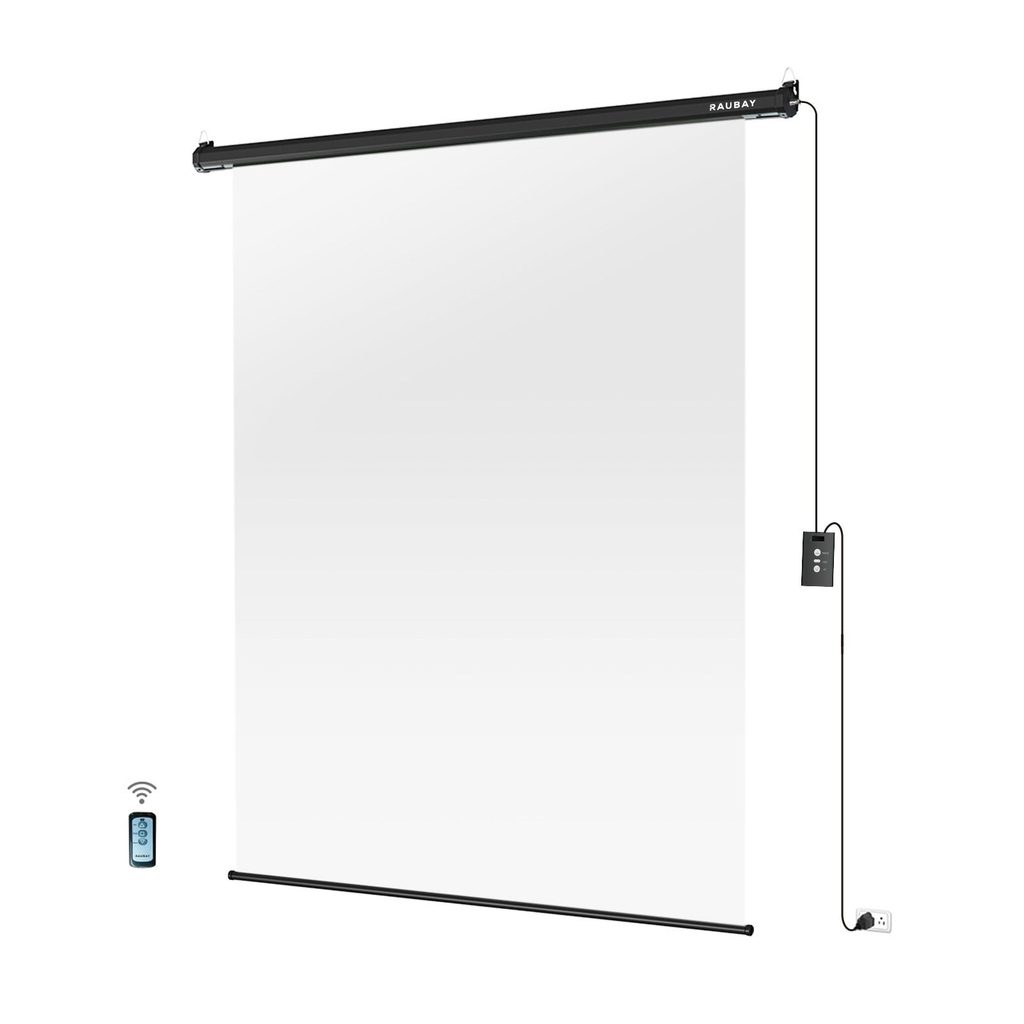
Motorized systems need three things: solid overhead mounting, a nearby power outlet, and enough ceiling clearance for the retracted housing. Ceiling height should be at least half a meter above the intended top of the backdrop drop, otherwise the housing crowds the working area. Mount into structural joists rather than surface anchors, since the combined weight of the motor, housing, and multiple rolls exceeds anything a drywall anchor can safely hold.
Installation itself is not complex, but it is a two-person job. One person supports the housing while the second drives the mounting screws, ensuring the unit sits level. A tilt of even a few degrees will cause backgrounds to hang unevenly when deployed, which shows up immediately in wide-angle shots. Once mounted, the roll installation is fast — most systems accept standard paper and vinyl cores through a friction fit or a quick-release clamp.
Shoots That Benefit the Most
The strongest use case is high-volume ecommerce. When a studio photographs fifty products a day and each product needs three backdrop variations, manual changes become a bottleneck that limits the entire operation. Powered backdrops turn that workflow into a rhythm: shoot on white, press a button, shoot on gray, press again, shoot on color. The photographer never leaves the camera, and the same crew can double their daily output without adding staff.
Video production benefits differently. A talking-head format that switches backgrounds between segments — for a course, a podcast, or a promotional video — used to require either multiple set locations or long cuts to swap the backdrop. Motor-driven systems make mid-shoot changes fast enough that the talent barely notices the pause, keeping the recording energy consistent across segments. Even portrait studios use the format for family sessions where the client wants variety, since a background change no longer feels like a production disruption.
Cost Considerations and Long-Term Payoff
Powered systems cost more upfront than manual stands, which is the honest tradeoff. The payoff comes in labor and consistency. A studio that saves twenty minutes per shoot day recovers the price of the system within a year at typical assistant rates, and the wear on backdrop materials drops because rolls no longer get manhandled through repeated setups. Studios that trust equipment from established suppliers like Raubay tend to keep motor-driven systems in service for many years, treating them as fixed infrastructure rather than replaceable gear.
Reclaiming Studio Hours With Automation
The point of a motor-driven backdrop system is not novelty. It is the reclaimed time that used to disappear into transitions the crew hated anyway. Photographers who make the switch usually notice the change in their energy first: the day feels shorter because there is less physical labor, and creative attention stays on the subject instead of on the wall behind them. If you are running any kind of high-volume shoot workflow, or if you find yourself skipping background changes because they take too long, the automation earns back its cost quickly. Install into solid overhead structure, load the colors you shoot most, and let the motor handle the parts that used to slow you down.