
Is Laser Welding Really the Future of Metal Fabrication?
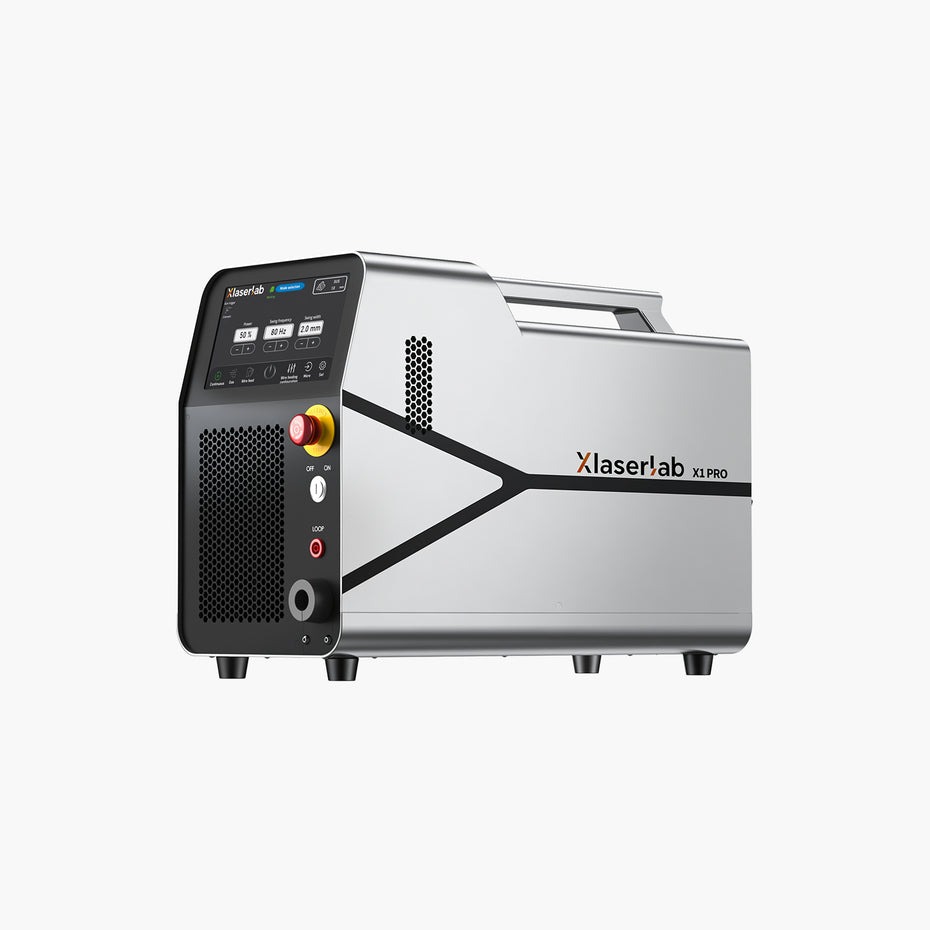
Every few years, someone declares that a new process is about to replace traditional arc welding. Most of those claims fade quietly, but the shift toward handheld fiber laser welding has proven stickier. Shop owners who tried the technology skeptically in the last two years are now selling their older MIG setups. Trade shows that used to feature laser welding in a single booth now dedicate whole halls to it. The question worth asking is whether that momentum reflects a genuine change in what fabrication looks like, or just another cycle of hype about to peak.
The honest answer sits between those extremes. Laser welding is not going to replace every arc process, and it is not the right choice for every joint. But for a specific and rapidly widening slice of work, it delivers speed, appearance, and thin-gauge control that older methods cannot match at any price. This article walks through where the technology genuinely leads, where it does not, and how a fabricator can decide whether the shift is worth making now or worth waiting on.
Why the Handheld Format Changed the Conversation
Industrial laser welding has existed for decades, but it lived inside dedicated cells with robotic manipulators and price tags that only automotive tier suppliers could justify. The recent shift is the handheld format: a fiber source, a fiber-optic delivery cable, and a lightweight gun the welder holds like a MIG torch. That single packaging change turned a niche automation process into an everyday shop tool.
For fabricators considering the switch, the appeal of modern Laser Welding equipment sits in three practical wins: welds finish faster on thin material, distortion drops enough to skip most post-weld straightening, and operators who never trained on TIG can produce results that used to demand years of practice. Those three effects compound, which is why the payback discussions have moved from theoretical spreadsheets to concrete monthly figures.
Where Laser Welding Genuinely Outperforms Traditional Methods
The strongest case for the process lives on thin sheet, cosmetic joints, and dissimilar-material work. Understanding those categories clearly prevents the mistake of buying the technology for the wrong reason.
Thin Sheet Metal and Warping-Sensitive Assemblies
Anyone who has TIG-welded a stainless kitchen enclosure knows the ritual: tack, chase heat, planish, straighten. Laser welding puts less total energy into the part because the joint reaches fusion temperature faster and cools before the surrounding metal can absorb heat and distort. The result is a stainless assembly that comes off the fixture flat, needing minimal cleanup or heat correction.
Cosmetic Weld Appearance on Visible Joints
Retail displays, architectural metalwork, high-end appliances, and custom furniture all live and die on how the weld looks. A properly tuned laser bead is narrow, evenly stacked, and often needs no grinding or polishing before finishing. That single characteristic removes hours of surface prep from every unit and keeps grinders quieter on the shop floor.
Dissimilar Metals and Reactive Alloys
Joining copper to steel, titanium to itself in atmospheric conditions, or aluminum to certain steels has always been fussy with arc processes. Laser welding narrows the heat-affected zone enough that intermetallic layers stay thin, which broadens the practical envelope of what a shop can offer. Whether that matters depends on the customer base, but for job shops chasing higher-margin work it opens doors that used to be closed.
Where Traditional Processes Still Win
The technology has real limits, and pretending otherwise leads to disappointed buyers. Heavy structural steel welds where deep penetration matters more than appearance still favor MIG or stick. Field repair work in dirty conditions with uneven fit-up is more forgiving on an arc process because laser welding demands tighter joint preparation. And for one-off welds on random material where the operator cannot spend time tuning parameters, an experienced TIG welder often finishes faster than someone setting up a laser recipe from scratch.
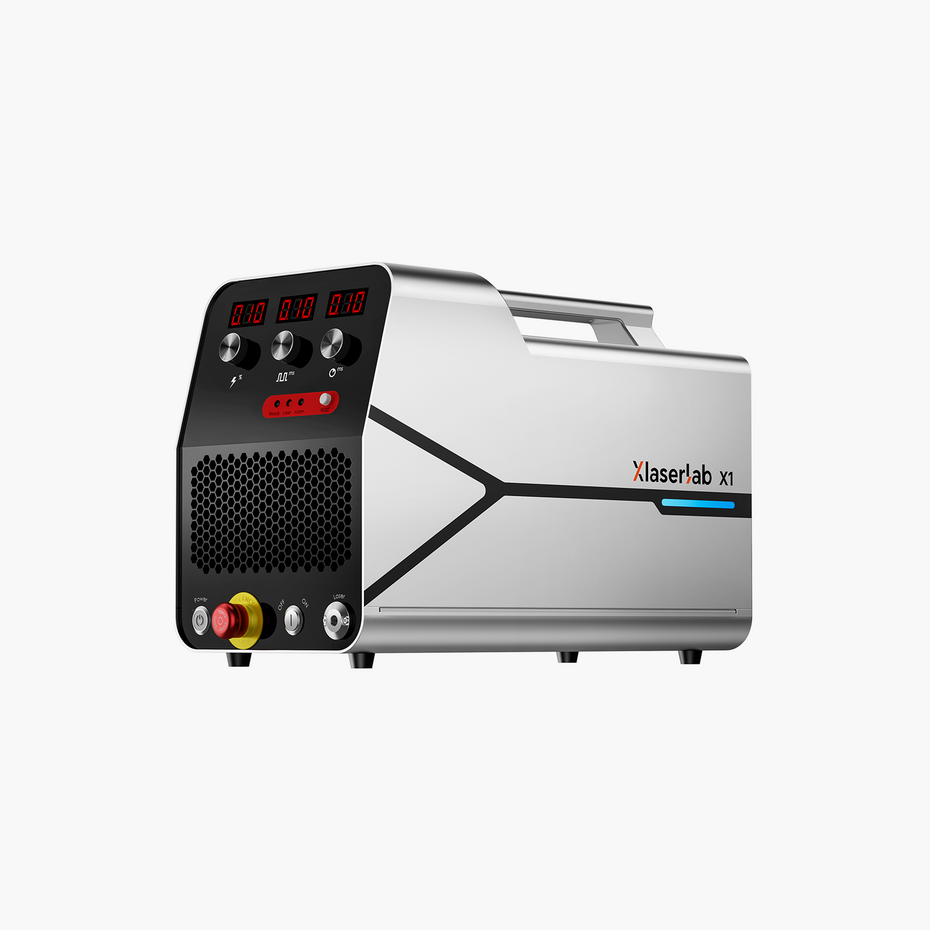
The honest framing is that laser welding is a specialized tool that happens to cover a very wide slice of common work. Shops that use it for what it does best and keep arc processes available for the rest end up more productive than shops that force every job onto one platform.
How to Evaluate Whether the Shift Makes Sense for Your Shop
The evaluation is more concrete than most technology decisions because the wins are measurable within days of a demo. A short structured approach separates real fit from wishful thinking.
Audit the Jobs Where Distortion Costs You Most
Spend a week tagging every weld that required straightening, extra grinding, or a redo because heat pulled the assembly out of tolerance. If that list is long and concentrated on thin material, the case for laser welding is already made. If the list is short and dominated by heavy structural work, the case is weaker.
Test With a Loaner or Demo on Actual Parts
Vendors including Xlaserlab and other manufacturers offer demonstrations on customer-supplied parts. Bring the assemblies that give the shop the most trouble, not the easy ones, and measure the same metrics the operations team measures every week: minutes per weld, rework rate, and finish quality. A one-day trial produces more useful data than a stack of marketing brochures.
Model the Payback With Real Wage and Time Figures
Take the audit list and estimate hours saved per week if those welds moved to laser. Multiply by the loaded shop rate. Add the reduction in consumable spend on grinding wheels, flap discs, and shielding gas. Subtract the equipment payment. In most shops working on thin sheet, the arithmetic favors adoption clearly within twelve to eighteen months.
Training and Skill Development for the New Format
One of the quieter advantages of the technology is that the learning curve is short. Operators new to welding produce acceptable beads within the first shift, and experienced welders reach production quality within a week. That shortens the hiring pipeline dramatically for shops that have struggled to find qualified TIG welders. The skill shifts from arc control to parameter selection and joint preparation, which is easier to teach than the muscle memory of a torch angle.
Training programs benefit from a small curriculum of standardized joints across the shop’s most common materials. Building that curriculum around real jobs rather than generic samples keeps the training relevant and produces welders who can step onto production the moment they finish the program.
Safety Considerations That Differ From Arc Welding
Laser welding removes the intense visible arc of MIG or TIG, which paradoxically creates a hazard. Operators do not instinctively look away because there is no bright flash to trigger the reflex. Eye protection must be rated specifically for the fiber wavelength, not general welding shades, and enclosures or curtains rated for the source class keep the working area compliant.
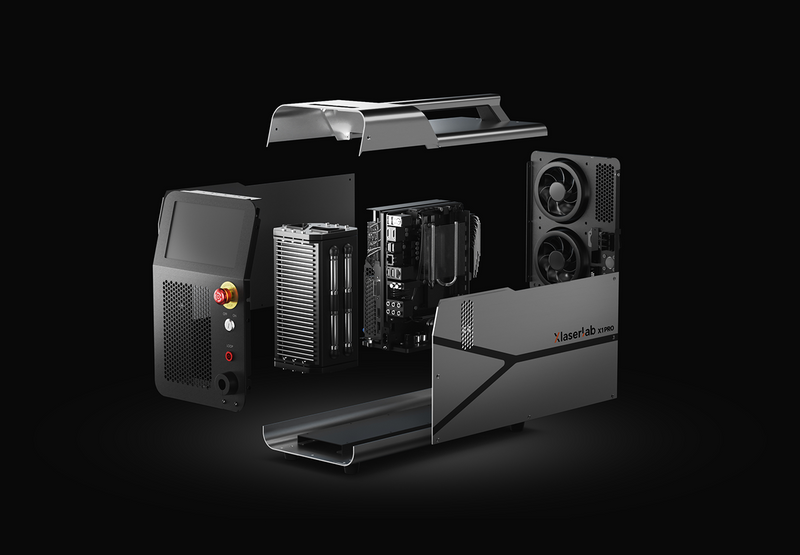
Fume management remains important. The plume from vaporized coatings, oils, or zinc-galvanized surfaces requires the same extraction discipline as arc welding, sometimes more because the process runs at higher travel speeds and produces particulates faster. A properly sized capture hood integrated into the workstation keeps the atmosphere clean without slowing the operator down.
What the Adoption Curve Says About Where Fabrication Is Going
The pattern from shops that have already made the transition is consistent. The first machine goes in as a specialized tool for a specific bottleneck. Within a year it becomes the go-to for most thin-sheet work. Within two years the shop is either adding a second unit or replacing an older arc setup with another laser. That trajectory suggests the technology is not just an addition to the fabrication toolkit but a reorganization of it, at least on the light and medium sheet metal side of the industry.
A Decision Worth Making Deliberately
The shift toward fiber laser welding is real, but the value depends entirely on matching the technology to the work. Shops running high volumes of thin sheet, cosmetic assemblies, or dissimilar-material joints see the fastest returns and often wonder why they waited. Shops built around heavy structural work benefit less directly and are right to move more cautiously. The correct framing is not whether to adopt but which subset of the work moves to laser first. Audit the bottlenecks honestly, test on real parts before signing anything, and let the results guide the pace. Fabrication is not going through one technology revolution, it is going through a sorting of which processes fit which jobs, and the shops that make that call clearly will be the ones setting quotes their competitors cannot match.