
What a Good Flight Pillow Actually Needs to Get Right
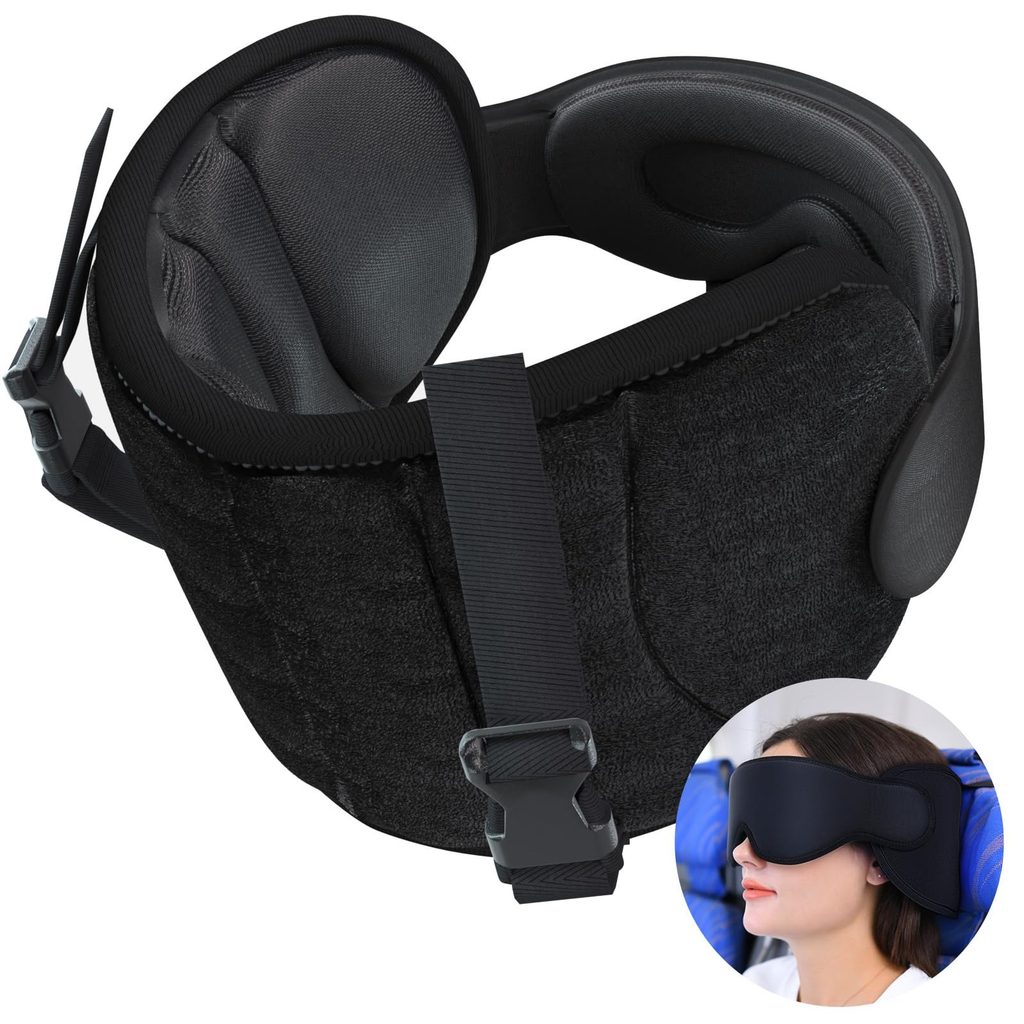
Long-haul travel puts your body through hours of stillness in a seat that was never designed with sleep in mind. A flight pillow is supposed to bridge that gap, giving your neck and head enough support to actually rest instead of just dozing in short, uncomfortable bursts. But not every pillow marketed for flights delivers on that promise. Some flatten out after an hour, others slide out of position the moment you shift, and a few just feel bulky without offering real support in return. The travelers who consistently arrive at their destination feeling less wrecked than everyone else around them usually aren’t lucky, they’ve simply found a pillow that does its job properly. Understanding what separates a functional flight pillow from a disappointing one comes down to a handful of concrete factors: how it holds its shape, how it fits your specific seating posture, and whether it’s actually practical to carry alongside everything else in your bag.
Structural Support Over Time, Not Just at First Touch
A flight pillow that feels great when you first put it on can still fail you three hours into a flight if the material breaks down under sustained pressure. This is the most common disappointment travelers report: initial comfort that fades fast. Memory foam and structured foam cores tend to hold their shape far longer than fully inflatable designs, which often lose firmness gradually as air shifts or leaks slightly over a long flight. When evaluating a flight pillow, think less about how it feels in the first five minutes and more about whether the materials are built to hold steady for the full duration of a long-haul segment.
Finding the Right Fit for Your Sleep Position
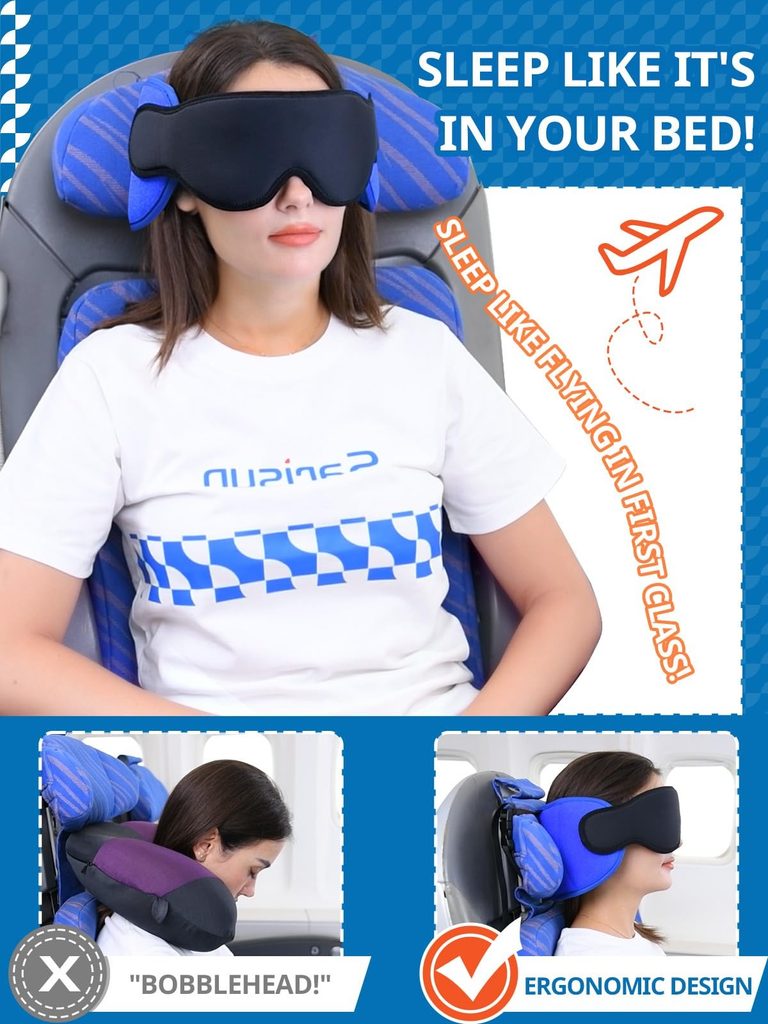
Everyone sleeps differently on a plane, and a pillow that works well for someone who sits upright won’t necessarily help someone who tends to lean toward the window or drop their chin forward. Take a moment to consider your own typical position before buying. If you lean sideways, a pillow with asymmetric support on one side will serve you better than a symmetrical design. If your head tends to drop forward, look for a shape that offers front support rather than only cushioning the sides of your neck.
Breathability and Temperature Regulation in the Cabin
Cabin air is dry and often runs warmer near your seat than the rest of the plane, which makes fabric choice more important than most travelers expect. A flight pillow wrapped in non-breathable material traps heat right where you need airflow most, leading to constant repositioning that interrupts whatever sleep you were starting to get. Fabrics that wick moisture and allow airflow keep the pillow comfortable against your skin for the full flight rather than just the first hour. This particular flight pillow pairs a breathable knit cover with a firm inner core, addressing both the heat issue and the collapsing-support problem that tends to plague cheaper alternatives.
Compressibility for Carry-On Space
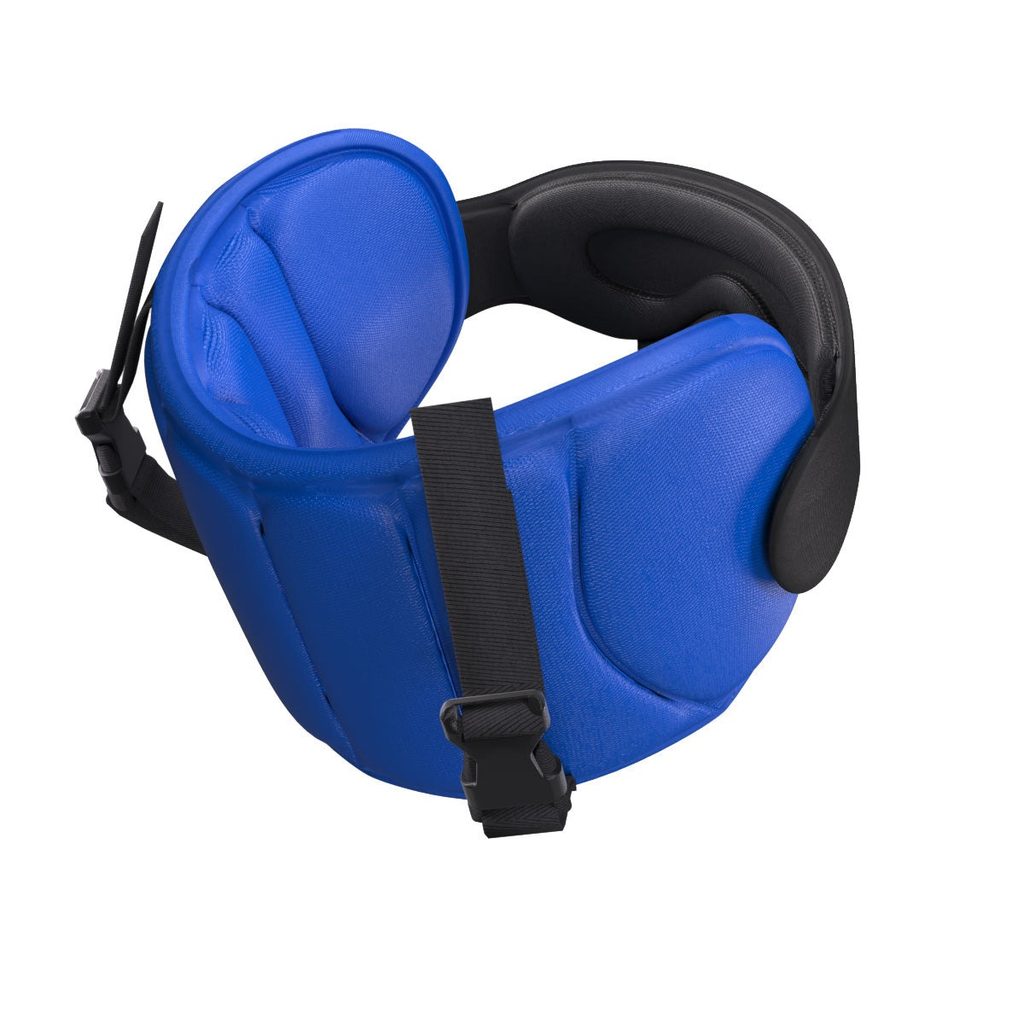
Long-haul travelers already deal with tight carry-on restrictions, and a flight pillow that doesn’t pack down efficiently becomes another obstacle rather than a comfort solution. Look for pillows that compress into a small pouch or attach externally to your bag, freeing up interior space for the rest of your belongings. This matters even more on trips involving multiple connecting flights, where you’re repeatedly packing and unpacking your carry-on throughout the journey.
Why Long-Haul Travelers Notice the Difference Most
On a short domestic flight, an underwhelming pillow is a minor annoyance. On a ten or twelve hour international route, it becomes the difference between landing functional and landing exhausted before you’ve even started your trip. Sarisun designed its flight pillow specifically around this longer-haul use case, prioritizing sustained support and breathability over the kind of initial plushness that looks appealing in a photo but doesn’t hold up in practice. If international or red-eye travel is a regular part of your routine, this is one purchase worth taking seriously rather than treating as an afterthought.
Evaluating a Flight Pillow Before You Buy
A flight pillow earns its place in your carry-on by doing three things well: holding its structural support for the entire flight, fitting the way you actually sleep, and staying breathable enough that heat buildup doesn’t force constant adjustment. Compressibility rounds out the list for anyone dealing with strict carry-on limits, particularly on multi-leg international trips. Judge a flight pillow against these specific criteria rather than how soft it feels off the shelf, and you’ll end up with something that actually earns its spot in your bag on every long-haul trip going forward.
