
Cannabis in Canada: Federal Rules, Provincial Differences, and Common Legal Misunderstandings
Introduction
Canada’s cannabis laws establish a national framework for legal production, distribution, possession, and use, but the rules that consumers encounter can differ significantly between provinces and territories. Federal legislation determines the broad conditions under which cannabis may be legally produced and possessed, while provincial and territorial governments regulate important practical details, including minimum age requirements, retail systems, and restrictions on public consumption. Understanding these distinctions helps consumers avoid common legal misunderstandings.
Cannabis legalisation does not mean every cannabis product, seller, or purchasing method is permitted. A retailer operating lawfully in one jurisdiction may not be authorised to serve customers in another, and permission to possess cannabis does not automatically grant permission to consume it in every location. Online shopping introduces additional questions about seller authorisation, product origins, delivery arrangements, and applicable provincial rules.
For visitors to Canadian cannabis information websites, understanding these regulations provides a useful foundation for evaluating products and interpreting claims about legality. A clear distinction between federal requirements, provincial regulations, and individual circumstances is essential for making informed decisions.
What Federal Cannabis Legislation Establishes
The Cannabis Act is the principal federal legislation governing recreational cannabis in Canada. It came into force in October 2018 and established a national framework intended to control access, regulate the legal market, and reduce the risks associated with unregulated cannabis distribution. Federal rules cover matters such as authorised production, product standards, packaging, labelling, promotion, and restrictions on access by young people.
Under this framework, legal cannabis must come through authorised channels. Producers and other regulated participants are subject to applicable licensing and compliance requirements. Health Canada oversees important aspects of the federal system, including licensing and the regulatory requirements that apply to cannabis products. These controls help establish accountability and provide a basis for monitoring products entering the legal supply chain.
The legislation also establishes conditions for personal possession. Adults who meet the applicable legal requirements may generally possess up to 30 grams of dried cannabis, or its equivalent in other forms, in public. However, the equivalent quantities differ according to the product category, and additional rules apply to particular circumstances. Possession limits should therefore be checked against current official guidance rather than calculated using assumptions about different cannabis products.
Another important distinction concerns the difference between legalisation and unrestricted commercial activity. The federal framework does not authorise every individual or business to cultivate, manufacture, advertise, or sell cannabis. Commercial activities must comply with the licensing and distribution requirements applicable to the activity, alongside provincial and territorial rules.
Federal law also restricts cannabis promotion, particularly advertising that could appeal to young people or encourage consumption through prohibited promotional techniques. Product descriptions and marketing materials must comply with the relevant requirements. A website displaying cannabis products is not automatically evidence that the products or its business operations meet all legal obligations.
The federal framework provides the foundation for understanding Canadian cannabis law, but it is only one part of the regulatory picture. Consumers must also consider the rules that apply in the province or territory where cannabis is purchased, possessed, transported, or consumed.
How Provinces and Territories Set Additional Requirements
Provinces and territories have significant responsibilities for the sale and distribution of cannabis within their jurisdictions. They determine which retail arrangements are permitted, who may operate stores, where outlets may be located, and what additional restrictions apply. They may also set a higher minimum age or impose tighter rules concerning public consumption and personal cultivation.
The minimum legal age illustrates why jurisdiction matters. The federal minimum age is 18, but provinces and territories establish their own requirements for legal access. Several jurisdictions set the minimum at 19, while Alberta permits access from age 18 and Quebec generally requires consumers to be at least 21. These differences mean that a person who meets the age requirement in one province might not meet the requirement in another.
Retail arrangements also vary. Some provinces rely on government-operated retail systems, while others permit privately operated retailers under provincial authorisation. Online sales arrangements differ as well. Depending on the jurisdiction, consumers may purchase through an official provincial online store or from authorised private retailers operating under the applicable rules.
These differences are especially relevant when evaluating online cannabis purchasing. A website may advertise delivery across a wide geographical area, but such a claim does not establish that the seller has the required authorisation or that its delivery arrangements comply with every applicable law. Customers should establish whether the business is legally permitted to sell the relevant product and whether delivery to their location is lawful.
Provincial rules can also address where cannabis may be consumed, whether smoking is permitted in particular public spaces, and what restrictions apply to landlords, workplaces, or shared residential buildings. Municipal bylaws may introduce further restrictions in areas where local governments have authority.
Consequently, Canadian cannabis regulations should never be treated as a single, identical set of practical rules across the country. Checking the official guidance for the relevant province or territory is essential before making assumptions about age eligibility, purchasing options, or permitted use.
Cannabis Possession Limits and Public-Use Restrictions
Legal possession and permitted consumption are separate questions under Canadian cannabis law. An adult may be legally entitled to possess cannabis in public while still being prohibited from smoking or vaping it in a particular place. Understanding this distinction helps prevent misunderstandings about where cannabis can be carried, used, and stored.
The federal public possession limit for adults is generally 30 grams of dried cannabis or its equivalent. However, provincial and territorial rules may establish additional restrictions, and different rules apply to young people, commercial quantities, and other specific circumstances. Possession within the federal limit does not remove the need to follow local requirements.
Public-use restrictions depend on the jurisdiction and the type of consumption involved. Some provinces restrict smoking and vaping cannabis in locations where tobacco smoking is also prohibited, while other rules address parks, playgrounds, beaches, public events, workplaces, and areas near schools. Restrictions can differ even between municipalities within the same province.
Private property also requires careful consideration. Permission to possess cannabis does not necessarily mean it can be consumed anywhere on private premises. Rental agreements, condominium rules, workplace policies, and provincial regulations may limit smoking or vaping. Rules concerning cannabis cultivation can also differ according to the property, the jurisdiction, and the circumstances.
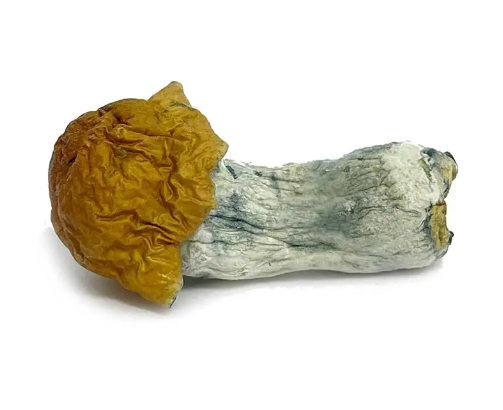
Online product research requires a similarly careful approach. A visitor exploring magic mushrooms canada online through Shrooms Direct, a Canadian e-commerce website featuring cannabis, magic mushrooms, vape products, and related categories, should distinguish general product information from evidence of legal authorisation. The presence of a product listing, delivery information, or educational material does not establish that every product is lawful or that every transaction is permitted.
This distinction is particularly important for products other than cannabis. Psilocybin, the principal psychoactive compound in magic mushrooms, is generally controlled under Canada’s federal drug laws and is not legal for ordinary recreational sale simply because cannabis is legal. Different legal frameworks and limited exemptions may apply in specific circumstances, but those exceptions should not be interpreted as general permission to purchase or distribute psilocybin products.
Consumers should therefore identify the exact product category before relying on information about legality. Cannabis rules cannot automatically be applied to magic mushrooms, extracts, vape products, or other controlled substances. The relevant legislation, authorisation requirements, and restrictions must be considered separately.
Distinguishing Authorised Retailers From Unregulated Sellers
Identifying an authorised cannabis retailer is an important step in navigating Canada’s legal cannabis market. A professional-looking website, extensive product catalogue, customer testimonials, or attractive discounts cannot independently establish that a business is legally permitted to sell cannabis. Verification requires evidence that relates to the seller, the product, and the jurisdiction involved.
Several practical checks can help consumers evaluate online cannabis sellers more carefully:
– Consult official retailer lists. Provincial and territorial regulators often publish information about authorised cannabis retailers or official online purchasing channels. Checking these resources can help establish whether a seller is recognised under the applicable system. A business name alone may be insufficient if several businesses operate under similar names.
– Examine age-verification procedures. Legal cannabis sales are subject to minimum-age requirements, and retailers must comply with the applicable verification and sales rules. A website that makes no meaningful effort to establish eligibility deserves closer scrutiny. However, the appearance of an age-verification screen is not proof of legal authorisation.
– Look for reliable product information. Regulated cannabis products are subject to applicable packaging, labelling, and product requirements. Information about the producer, product type, THC or CBD content where relevant, and required warnings can help consumers understand what is being offered. Missing or inconsistent details may indicate that further verification is necessary.
– Question broad shipping promises. Claims of unrestricted nationwide delivery should be assessed against the rules governing the seller and the destination. Provincial retail permissions, distribution arrangements, and federal requirements can affect whether a transaction is lawful. A delivery guarantee does not override these legal restrictions.
– Treat reviews and discounts as limited evidence. Positive customer feedback may describe purchasing experiences, but it does not establish compliance with licensing requirements. Similarly, unusually low prices or promotional offers neither prove illegality nor demonstrate legitimacy. Independent verification is more useful than relying on marketing claims.
– Review business identity and contact information. Clear company details, customer-service channels, and consistent business information can support further checks. Nevertheless, even a registered business with a functioning contact page may not possess the specific authorisation required to sell regulated products.
These checks are particularly valuable when comparing online cannabis stores with government-operated outlets or provincially authorised private retailers. The objective is not simply to identify a convenient website, but to determine whether its activities fall within the applicable legal framework.
Consumers should also avoid assuming that a retailer authorised to sell cannabis is automatically authorised to offer other controlled substances. Each product category may have different restrictions, and a business’s status in one market does not establish its legal status in another.
Travel, Transport, and Cross-Border Cannabis Restrictions
Cannabis laws can become more complicated when travel is involved. Permission to possess cannabis in one province does not automatically mean that every method of transporting it is lawful. Travellers must distinguish between domestic movement within Canada and crossing an international border, where substantially different legal requirements apply.
Within Canada, adults who meet the applicable requirements may generally transport cannabis between provinces and territories, provided they comply with federal possession limits and other relevant laws. However, this does not authorise commercial distribution, unrestricted sales, or transportation that violates applicable regulations. The circumstances of the journey, the quantity involved, and the nature of the activity can all affect the legal position.
Transporting cannabis across Canada’s international borders is different. Cannabis remains subject to federal border restrictions, and taking it out of Canada or bringing it into the country is generally prohibited without specific legal authorisation. This restriction applies even when cannabis is legal for recreational use in both the place of departure and the destination. Foreign laws may also prohibit possession, regardless of what is permitted under Canadian legislation.
Travellers should not assume that cannabis purchased legally from an authorised Canadian retailer can be carried onto an international flight or transported through another country. Airport procedures, airline policies, and the destination country’s laws may introduce additional restrictions, but none of these should be treated as a substitute for federal border requirements.
Similar caution applies to cannabis products purchased online. Delivery to a Canadian address does not necessarily establish that a product can be carried abroad, and product categories may be governed by different legal frameworks. Cannabis, psilocybin-containing mushrooms, cannabis extracts, and other controlled substances should not be treated as interchangeable under the law.
Before travelling, individuals should consult current guidance from the Canada Border Services Agency, Health Canada, and the relevant provincial or territorial authorities. International travellers should also review official information from the destination country’s government. Where the circumstances are unclear, qualified legal advice can help clarify the restrictions that apply.
Checking Legal Information When Rules Change
Cannabis regulations and their practical interpretation can change over time. Government announcements, legislative amendments, updated regulatory guidance, and changes to provincial retail systems can affect the information available online. Consumers should therefore evaluate the reliability and currency of legal information before using it to make purchasing, possession, or travel decisions.
Several practices can make this process more reliable:
– Start with official government sources. Health Canada’s cannabis information and the federal Cannabis Act provide a foundation for understanding national requirements. Provincial and territorial government websites are more appropriate for checking local age limits, authorised retailers, consumption restrictions, and purchasing arrangements.
– Confirm the relevant jurisdiction. A legal explanation written for Ontario may not accurately describe the rules in Quebec or British Columbia. Before relying on an article, readers should identify the province or territory it covers and establish whether the information applies to their own circumstances.
– Check publication and update dates. An article can remain accessible long after a regulation changes. Readers should look for publication dates, revision dates, and references to current legislation. If the page does not establish when its information was verified, the relevant government source should take priority.
– Distinguish legal requirements from general commentary. Educational articles, retailer FAQs, discussion forums, and social media posts can introduce useful questions, but they may simplify complicated rules or omit important exceptions. Claims about legal possession, online sales, or controlled substances should be checked against authoritative sources.
– Verify the specific product category. Cannabis and psilocybin-containing mushrooms are governed by different legal frameworks. A source explaining recreational cannabis legalisation cannot establish that magic mushrooms are lawful to purchase or sell. Product-specific legislation and any applicable exemptions must be considered separately.
– Seek qualified advice for complex circumstances. Questions involving commercial distribution, cross-border transport, licensing, or possible legal violations may require more than a general information page. A qualified legal professional can assess the facts and explain how the applicable requirements affect a particular situation.
These practices help separate established legal requirements from assumptions, outdated explanations, and unsupported commercial claims. They also encourage consumers to assess online information according to its source, scope, and relevance instead of relying solely on search rankings or promotional descriptions.
Conclusion
Cannabis regulation in Canada depends on the interaction between federal legislation, provincial and territorial requirements, and the circumstances of each individual situation. Federal law establishes the national framework for authorised production, possession, and regulated distribution, while local authorities determine important details concerning legal access, retail arrangements, and permitted consumption.
Common misunderstandings arise when consumers assume that legal possession guarantees unrestricted public use, that all online sellers are authorised, or that domestic legality permits international transport. These assumptions can lead to avoidable legal difficulties.
Reliable information begins with official government and regulatory sources, careful attention to jurisdiction, and verification of current requirements. It also requires recognising that cannabis and other controlled substances, including psilocybin-containing mushrooms, do not necessarily share the same legal status.
By distinguishing federal rules from local restrictions and checking the specific requirements relevant to each product and activity, consumers can develop a more accurate understanding of Canada’s cannabis laws and make better-informed decisions about legal compliance.