
How to Extend the Lifespan of Your Pet Air Purifier Filters
If you share your home with a furry companion, you already know the invisible battle happening in your indoor air. Pet dander, hair, and odors circulate constantly, triggering allergies and leaving a lingering mustiness that no amount of open windows seems to fix. A pet air purifier becomes essential, but there’s a frustrating catch: filters clog faster in pet-heavy environments, leading to frequent replacements that drain your wallet and send used filters straight to landfills.
The good news is that with the right maintenance habits and strategic usage, you can significantly extend the lifespan of your air purifier filters without sacrificing clean air quality. This guide is designed for eco-conscious pet owners who want practical, sustainable solutions that reduce waste while keeping their homes fresh. We’ll explore how pet air purifier filters work, break down the critical roles of washable pre-filters and activated carbon layers, walk through a step-by-step maintenance routine, and highlight eco-friendly practices that benefit both your budget and the planet. Let’s make every filter last longer and work harder.
Understanding Pet Air Purifier Filters and Their Importance
A pet air purifier isn’t just a standard air cleaner with a different label. These devices are engineered to handle the unique cocktail of pollutants that animals introduce into your home: microscopic dander particles as small as 2.5 microns, floating fur that tangles in mechanical components, volatile organic compounds from litter boxes, and bacteria carried on saliva-coated hair. Standard filters simply weren’t designed for this volume and variety of particulate matter, which is why pet-specific models incorporate multi-stage filtration systems built to handle heavier loads.
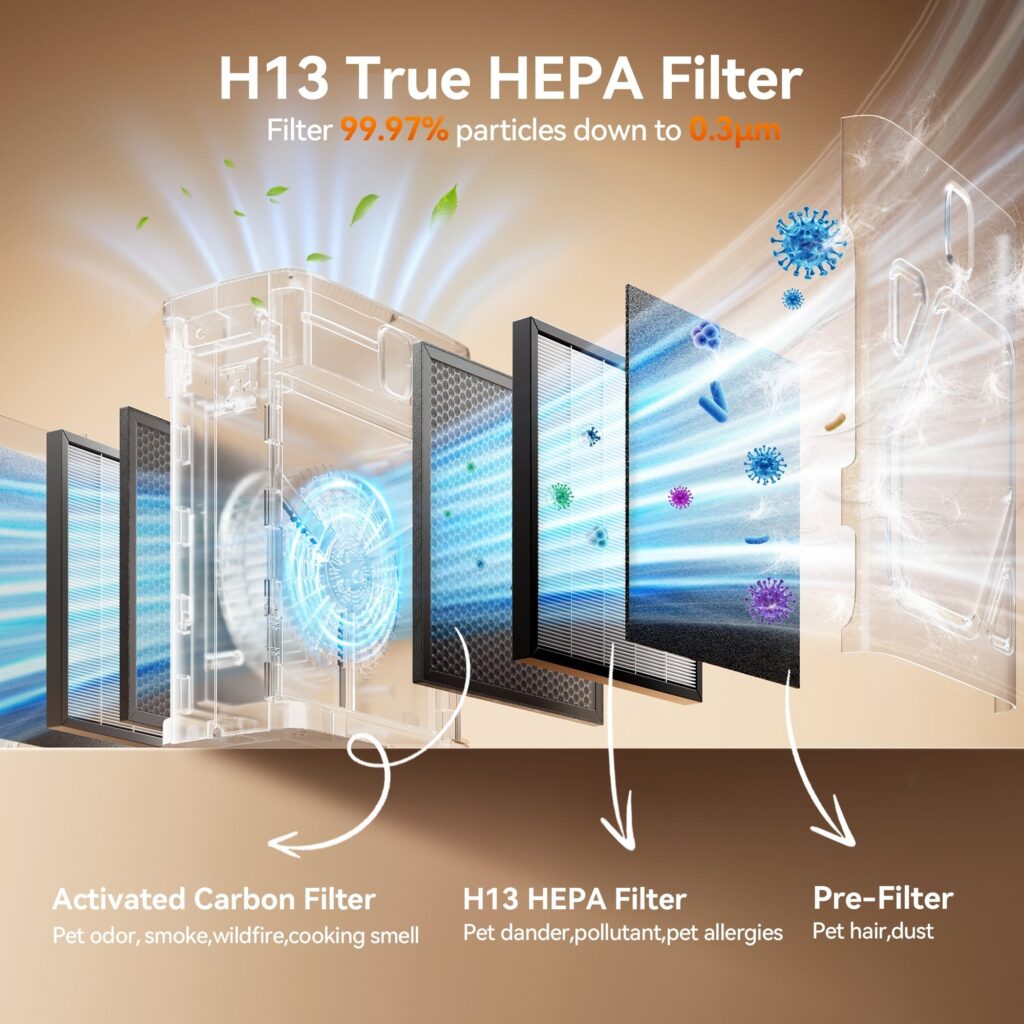
Filter longevity directly impacts both performance and your environmental footprint. A degraded filter doesn’t just stop cleaning effectively—it forces the motor to work harder, consuming more energy and accelerating wear on the entire unit. Meanwhile, prematurely discarded filters contribute to growing landfill waste, with millions of HEPA filters disposed of annually in the U.S. alone. The key to breaking this cycle lies in understanding the components that do the heavy lifting: washable pre-filters that intercept large debris before it reaches sensitive inner layers, and activated carbon stages that neutralize odors at the molecular level. When you maintain these components strategically, you protect the core filtration system and dramatically extend the time between full replacements.
Key Components: Washable Pre-Filters and Activated Carbon Layer
Every pet air purifier relies on a layered defense system, and two components play outsized roles in determining how long your filters last overall. Understanding these elements helps you target your maintenance efforts where they matter most.
The Role of Washable Pre-Filters in Capturing Pet Hair and Dander
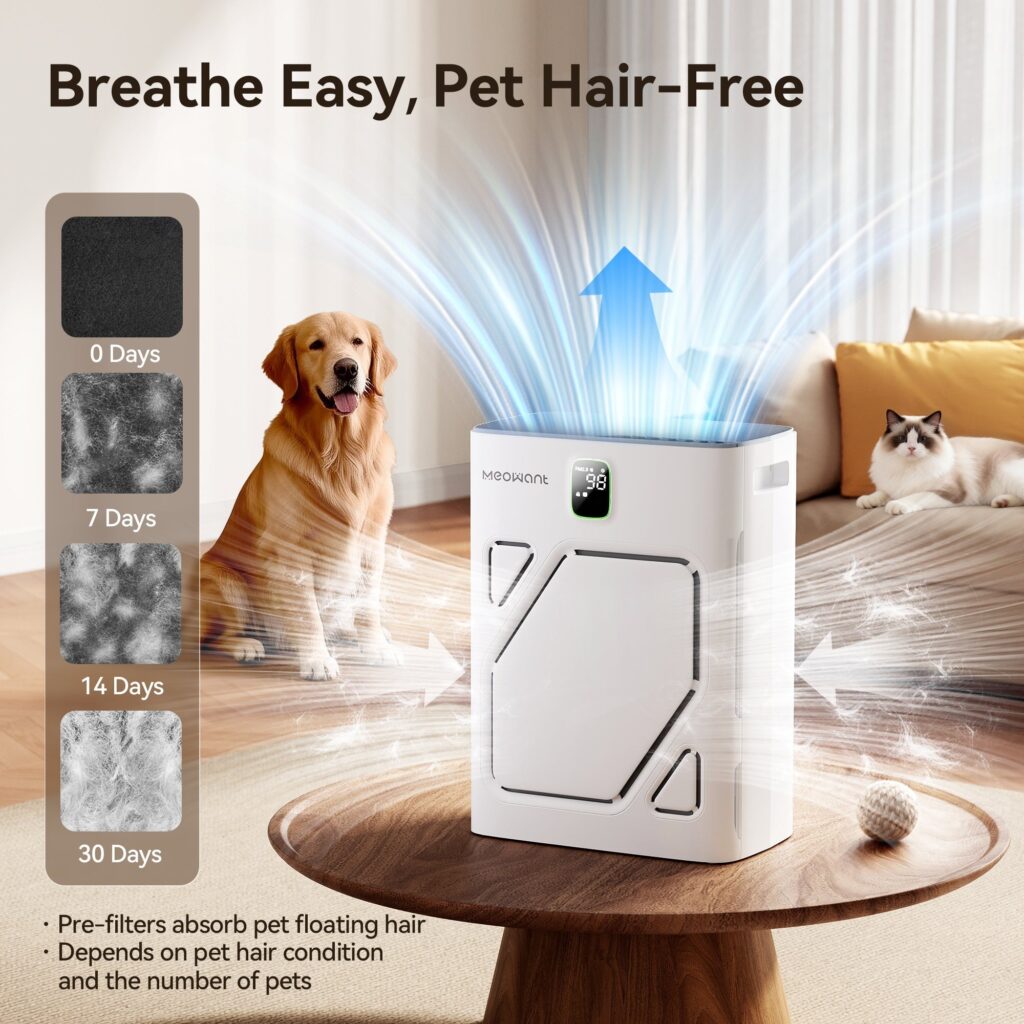
The washable pre-filter acts as your purifier’s first checkpoint, intercepting large particles like pet hair, dust bunnies, and visible dander before they reach the delicate HEPA layer beneath. Think of it as a screen door for your filtration system—when it’s clean, air flows freely and the inner filters handle only the finest particles they were designed to catch. When it’s matted with fur, everything downstream suffers. Clean your washable pre-filter every one to two weeks in homes with shedding pets. Rinse it under lukewarm water, gently rubbing away trapped hair without stretching or tearing the mesh. Allow it to air dry completely before reinstalling, since moisture can promote mold growth inside the unit. This simple habit alone can extend your HEPA filter’s effective life by 30 to 50 percent.
How the Activated Carbon Layer Enhances Odor Neutralization
The activated carbon layer handles what mechanical filters cannot: gaseous pollutants and odors. Its porous surface traps volatile organic compounds from litter boxes, wet dog smell, and urine-based ammonia at a molecular level through adsorption. Over time, those pores fill and the carbon becomes saturated—you’ll notice pet odors lingering even while the purifier runs. To maximize carbon effectiveness, reduce competing odor sources by cleaning litter boxes daily and washing pet bedding weekly. Some carbon filters respond to sunlight rejuvenation: placing them in direct sunlight for two to three hours can release trapped moisture and lightly refresh adsorption capacity, though this won’t fully restore a saturated filter. Recognizing the difference between a tired carbon layer and a spent one helps you avoid premature replacement while ensuring odor neutralization remains effective.
Step-by-Step Guide to Extending Filter Lifespan
Knowing your filter components is only half the equation. The real gains come from building consistent habits that protect every layer of your pet air purifier’s filtration system. Here’s a practical approach broken into three focus areas that, combined, can double or even triple the usable life of your filters.
Regular Cleaning and Maintenance Routines
Start by establishing a biweekly maintenance schedule tied to something you already do, like your pet’s grooming day. Remove the washable pre-filter and tap it gently over a trash bin to dislodge loose hair and dust clumps. Then rinse it under cool to lukewarm running water, using your fingertips to work out embedded dander—never use brushes or harsh detergents that can damage the mesh fibers. Let it dry completely on a clean towel or drying rack for at least 12 hours before reinstalling. For non-washable HEPA components, use a handheld vacuum with a soft brush attachment on the lowest suction setting to carefully remove surface debris from the outer face. Never attempt to wash a true HEPA filter, as water destroys the tightly woven fibers that capture ultrafine particles. Once monthly, wipe down the purifier’s intake vents and housing with a damp microfiber cloth to prevent dust buildup from restricting airflow before it even reaches the filter stack.
Optimal Placement and Usage for Maximum Efficiency
Where you position your pet air purifier dramatically affects how quickly filters accumulate debris. Place the unit in the room where your pet spends the most time, elevated slightly off the floor—on a low shelf or sturdy side table—so it captures airborne dander rather than pulling in heavy dust bunnies that settle at ground level. Keep at least 18 inches of clearance around all sides to ensure unobstructed airflow, and avoid corners where air circulation stagnates. Run the purifier on a medium or auto setting continuously rather than blasting it on high only when odors become noticeable. Continuous operation at moderate speed distributes the particulate load evenly across the filter surface, preventing concentrated clogging in one area. During heavy shedding seasons in spring and fall, supplement your purifier by brushing your pet outdoors and vacuuming floors daily to reduce the total particle count entering the filtration system.
Monitoring Filter Health and Knowing When to Replace
Rather than relying solely on calendar-based replacement schedules, learn to read the actual condition of your filters. Every two weeks when you clean the pre-filter, visually inspect the HEPA layer by removing it briefly under good lighting. A filter that’s uniformly gray is still working; one that shows dark spots, visible matting, or physical tears has reached its functional end. Pay attention to performance cues as well: if you notice reduced airflow from the output vent even after cleaning the pre-filter, or if the motor sounds louder than usual, the internal filters are likely restricting air passage. Persistent pet odors breaking through despite a recently maintained carbon layer signal saturation that sunlight rejuvenation can no longer address. Use your manufacturer’s recommended timeline as a maximum boundary rather than a fixed schedule—many pet owners find their filters last well beyond the suggested date when maintenance is consistent. Track replacement dates in a phone reminder or journal so you can identify patterns specific to your home’s conditions and pet count.
Eco-Friendly Practices for Sustainable Air Purification
Every filter you extend by even a few months represents real environmental savings—less manufacturing energy consumed, fewer raw materials extracted, and reduced landfill contributions. For eco-conscious pet owners, the goal isn’t just clean air; it’s achieving that clean air with the smallest possible footprint. Start by prioritizing purifiers built with reusable and washable components wherever possible. A washable pre-filter that lasts the lifetime of the unit eliminates dozens of disposable replacements over the years. When shopping for your next model, look for energy-efficient certifications and designs that emphasize longevity over disposability.
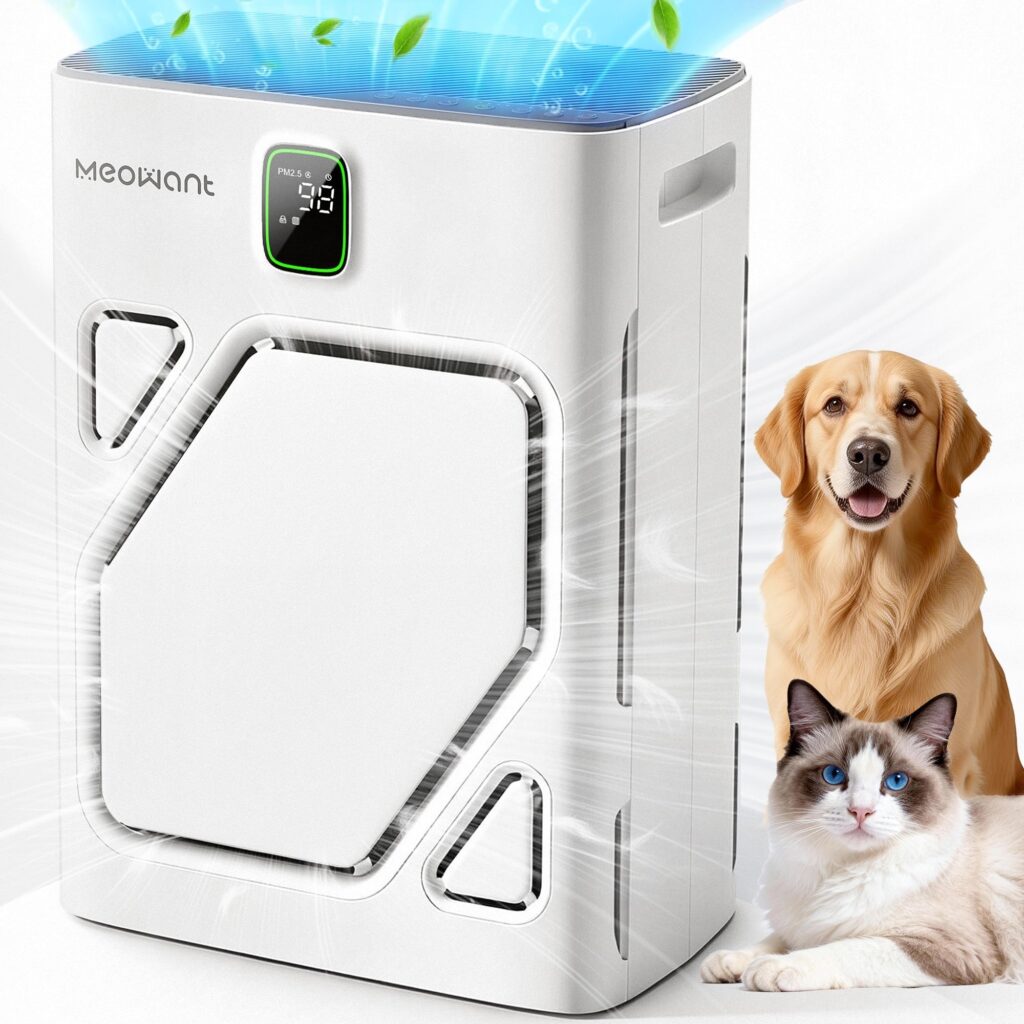
Proper end-of-life handling matters too. Many activated carbon filters can be composted in industrial facilities since the carbon itself is a natural material, though you should check with local waste programs first. HEPA filters containing synthetic fibers typically cannot be recycled through standard channels, but some manufacturers now offer take-back programs that reclaim materials. Brands like Meowant have embraced this design philosophy by incorporating durable washable pre-filters and long-lasting carbon stages specifically engineered for pet environments, reducing the frequency of replacements while maintaining strong odor neutralization. Pairing these product choices with the maintenance habits outlined earlier creates a compounding effect: less waste generated, lower energy consumption from a unit running efficiently, and money saved that stays in your pocket rather than funding a cycle of constant filter purchases.
Start Extending Your Filter Life Today for Cleaner Air and Less Waste
Extending the lifespan of your pet air purifier filters comes down to consistent, intentional care of the components doing the hardest work. By rinsing your washable pre-filter every one to two weeks, you prevent the buildup that forces inner layers to degrade prematurely. By monitoring your activated carbon layer for saturation signals and refreshing it with sunlight when possible, you maintain effective odor neutralization without rushing to buy replacements. Strategic placement, steady operation at moderate speeds, and reducing airborne pollutants through regular grooming and cleaning all lighten the load on your filtration system.
For eco-conscious pet owners, these habits deliver compounding rewards: fewer filters heading to landfills, lower energy consumption from a unit running without restriction, and meaningful savings that accumulate over months and years. The environmental cost of frequent replacements is one you can actively reduce starting today. Take the first step this week—set a recurring reminder to clean your pre-filter, inspect your HEPA layer under good light, and note how your home smells with the purifier running. Small, consistent actions create healthier air for your family, your pets, and a more sustainable home for the long term.