
How to Keep Your Phone Safe in Public Places?

Phone safety is something many people overlook until it’s too late. When you’re moving through crowded streets, using public transport, or sitting at a café, your device becomes an easy target. Thieves often spot distracted users, while accidental drops or spills can cause costly repairs. Beyond physical accidents, unsecured phones face risks like hacking, data theft, or malware. Even the most advanced devices cannot guarantee complete protection. That’s why it’s crucial to combine careful habits with smart security measures. A phone’s durability matters, but your vigilance and awareness ultimately play the biggest role in keeping it safe everywhere.
Why is Phone Safety Important in Public?
When you lose your phone in a public place, it is not only a matter of having to replace pricey hardware; it is also about the personal information that is stored on the device. Everything becomes susceptible to attack, ranging from personal discussions and financial applications to saved papers and photographs. Theft or damage can also interrupt everyday routines, negatively impacting communication, navigation, and mobile payment systems. Risks are further increased in public spaces, which might range from accidental drops and dust exposure to spills from beverages. Despite the fact that many contemporary mobile phones are made of sturdier materials and have better environmental protection, they are unable to guard against theft or inadequate security methods. It is critical to minimize these threats by remaining vigilant, exercising caution in the locations where you utilize your device, and safeguarding your accounts.
How Can You Protect Your Phone Physically?
Handling properly is the first step toward physical protection. To keep your phone out of sight in crowded areas, you should utilize bags with zippers, tight backpacks, or deep pockets. When operating it in outdoor settings, it is important to keep a strong hold and refrain from engaging in any other activities, since this might result in accidents. Falls are less likely to cause damage when a device is protected by a hard carrying case and a tempered glass screen cover. Although these attachments do not make a phone completely impervious to damage, they do greatly raise the likelihood that it will remain intact in the event of an accident. It is still necessary to maintain your equipment with care, even if it is made of tough materials. It is important to keep in mind that careless handling may often be avoided by using reasonable practices.
What Digital Security Steps Should You Take?
Set Strong Screen Locks and Biometrics
A secure lock screen is your first line of protection against those who try to access your device without your permission. Instead of using easily guessed patterns or birthdays, use strong PINs or passwords. Fingerprint scanning and face recognition are two examples of biometric features that are supported by modern gadgets and give an additional layer of protection. The combination of biometrics and a lengthy personal identification number (PIN) is the best way to provide optimum safety. Do not reuse codes from your email or banking accounts. These measures significantly decrease the likelihood that someone will steal your identity, make payments without your permission, or access your personal correspondence. If you take the effort to establish a secure lock system, you can rest assured that your data will not be compromised even in the event that your phone is stolen.
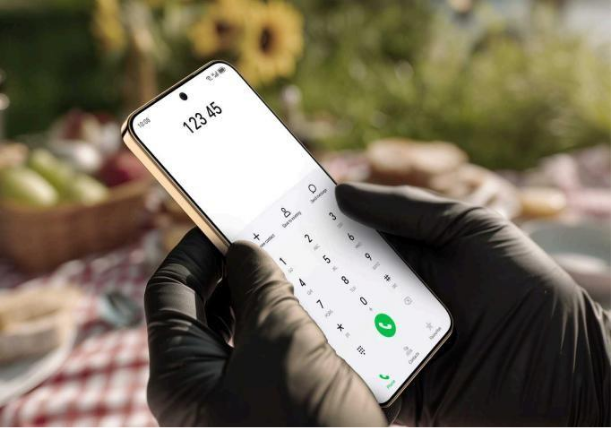
Be Cautious on Public Wi-Fi
Although public Wi-Fi is handy, it is not secure since hackers are able to capture personal information such as login credentials and bank details. In order to keep secure, you should refrain from accessing sensitive accounts when you are connected to open networks. Instead, protect your surfing by using mobile data or a dependable virtual private network (VPN). Turn off automatic connections to Wi-Fi networks so that your phone does not connect to any vulnerable networks without your knowledge. If you find yourself in a situation where you must use a public network, then you should restrict your activity to simple web surfing and avoid logging in to any accounts or making any online payments. If you regard every public hotspot as a possible threat, you will significantly lower the likelihood that your sensitive information will be compromised.
Conclusion
Protecting your phone in public requires a mix of smart habits and digital safeguards. Physically, you should guard against theft, drops, and exposure to harsh environments. Digitally, set strong locks, enable biometrics, use tracking tools, and avoid unsafe Wi-Fi. By taking a few proactive measures, you protect not only your device but also your privacy, finances, and peace of mind, while also staying informed about factors like the HONOR X9d price when considering durability and value. Phones today may be more durable and feature-rich, but no technology can fully compensate for careless behavior. Combining mindful handling with digital awareness ensures your phone remains both safe and reliable.