
OLED Screens: Advanced Display Technology for Modern Electronics
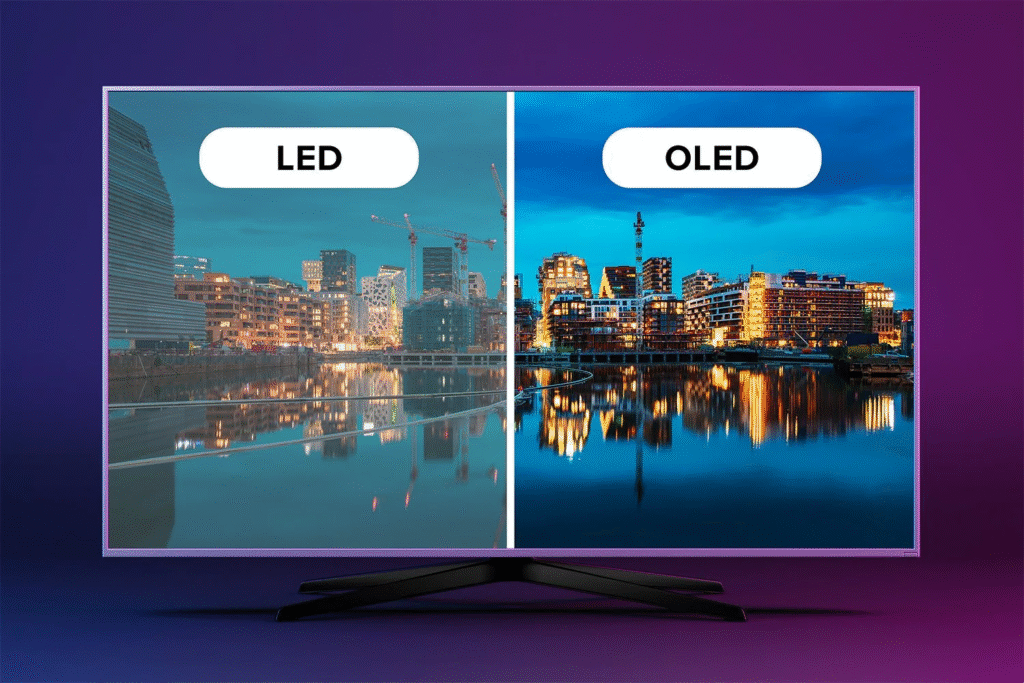
In today’s technology-driven world, display quality is more important than ever. OLED screens have become a popular choice for electronics enthusiasts, engineers, and device manufacturers due to their superior visual clarity, energy efficiency, and sleek design. These screens offer vibrant colors, deep blacks, and high contrast, making them ideal for a wide range of applications.
What Are OLED Screens?
OLED (Organic Light Emitting Diode) screens are a type of display technology that uses organic compounds to emit light when an electric current passes through them. Unlike traditional LCDs, OLEDs do not require a backlight, allowing for thinner, lighter, and more flexible displays. This technology has revolutionized electronics, from mobile devices and TVs to embedded systems and wearable gadgets.
Key Features of OLED Screens
Exceptional Image Quality
The main advantage of OLED screens is their outstanding image quality. Each pixel emits its own light, producing deep blacks and vibrant colors with superior contrast. This results in sharper images, better readability, and an enhanced visual experience for users.
Energy Efficiency
Since OLED screens do not require a backlight, they consume less power compared to traditional LCDs, especially when displaying dark content. This energy efficiency makes them ideal for battery-powered devices, extending battery life in smartphones, tablets, and portable electronics.
Slim and Flexible Design
OLED technology allows for extremely thin and flexible displays. This enables manufacturers to create sleek devices, curved screens, foldable gadgets, and innovative form factors that were previously impossible with conventional display technologies.
Fast Response Time
OLED screens have faster response times than LCDs, making them perfect for applications that require quick display updates. This includes gaming devices, high-speed instrumentation, and real-time monitoring systems.
Wide Viewing Angles
Unlike LCDs, OLED screens maintain consistent color and brightness from wide viewing angles. Users can enjoy a clear and accurate display even when viewed from the side, making these screens ideal for collaborative work or public displays.
Applications of OLED Screens
OLED screens are used across various industries and applications, including:
- Consumer Electronics: Smartphones, tablets, TVs, and smartwatches.
- Embedded Systems: Real-time data displays, industrial monitors, and control panels.
- Wearables: Fitness trackers, smart clothing, and portable devices.
- Automotive: Dashboard displays, infotainment systems, and HUDs.
Why Choose SCJHD OLED Screens
SCJHD provides high-quality OLED screens that combine durability, energy efficiency, and superior display performance. Their modules are designed for easy integration with microcontrollers and other electronics systems, ensuring reliability for professional, educational, and hobbyist projects alike.
Final Thoughts
OLED screens are at the forefront of modern display technology, offering unmatched visual quality, energy efficiency, and flexibility. Whether for consumer electronics, embedded systems, or industrial applications, OLED screens provide a high-performance solution for every need. Investing in premium OLED displays ensures vibrant visuals, efficient performance, and cutting-edge technology for your projects.