
Porcelain Veneers — Who’s Actually a Good Candidate and Who Isn’t
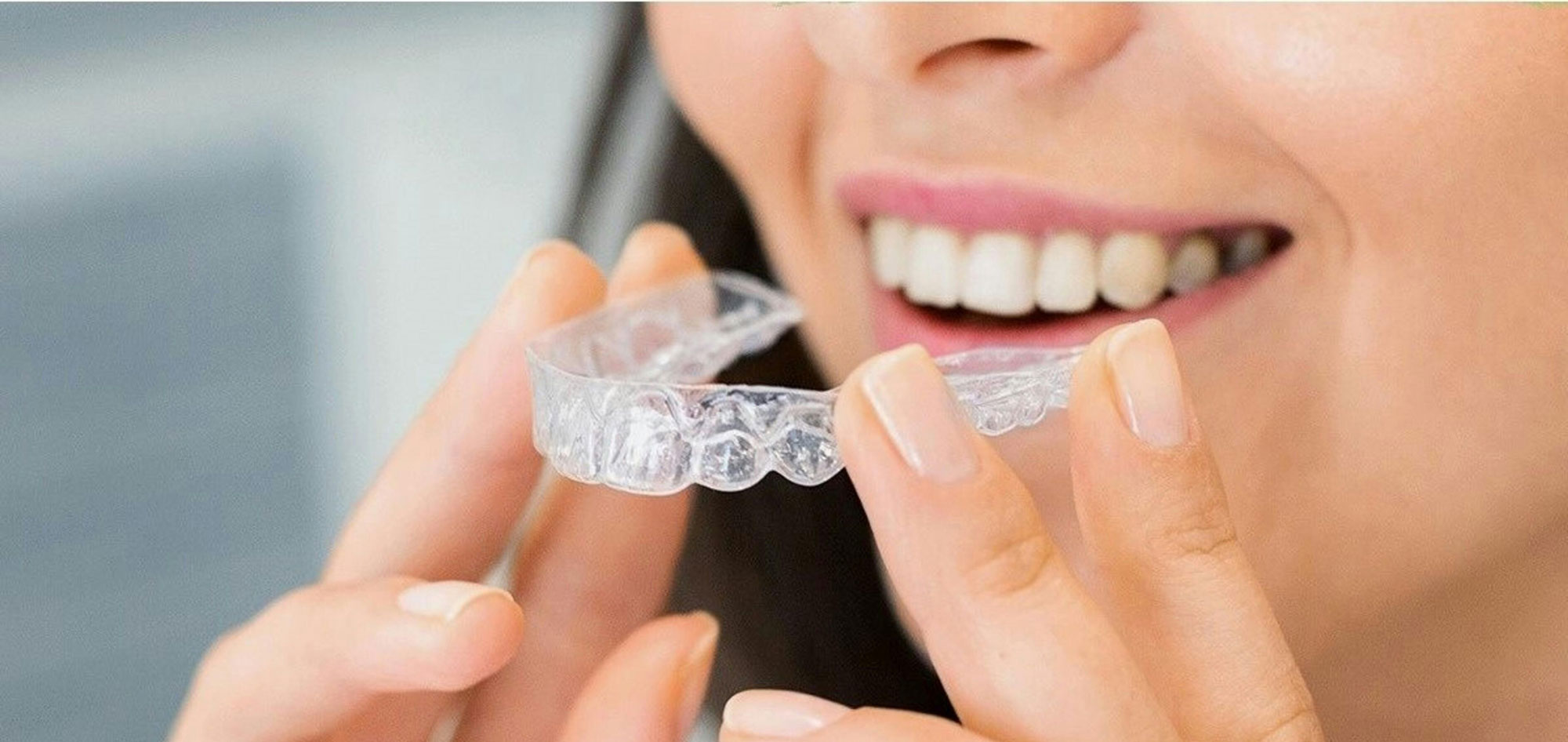
Porcelain veneers are one of the most requested cosmetic dental procedures for a reason. Thin ceramic shells bonded to the front of teeth can fix discoloration, chips, uneven sizing, and small gaps, often within a single treatment plan. That said, wanting veneers and being the right candidate for them are two different things. Before committing to something permanent, you should know who genuinely benefits from this procedure and who would be better served elsewhere.
What Porcelain Veneers Actually Do
Veneers are not a repair solution. They are a cosmetic overlay, typically between 0.5 and 1 millimeter thick, bonded permanently to the enamel surface. A dentist removes a thin layer of enamel before placing them, which means the process cannot be undone.
The procedure is well-suited for:
- Permanent staining that whitening treatments cannot touch
- Minor chips or cracks on front-facing teeth
- Small gaps between teeth
- Slightly uneven or misshapen teeth
Anyone seriously considering porcelain veneers in Las Vegas should sit down with a licensed cosmetic dentist to confirm their concerns are actually within the scope of what this treatment handles. A proper clinical evaluation checks tooth structure, gum condition, and bite alignment before any treatment plan is drawn up.
Strong Candidates for Veneers
Patients With Healthy Teeth and Gums
Candidacy begins with good oral health. Teeth without active decay, gum disease, or significant structural compromise give veneers the stable base they need. Existing problems have to be treated before the process can begin.
Those With Minor Cosmetic Concerns
Surface-level aesthetic issues are where veneers shine. Deep intrinsic staining from tetracycline use or fluorosis often does not respond to professional whitening at all, and veneers become a practical answer. Minor chips or slight differences in tooth length fall into the same category.
Adults With Adequate Enamel
Because enamel removal is a permanent step, having enough enamel thickness for secure bonding matters. Adults without significant wear from acid erosion or overly aggressive brushing tend to get the best long-term results.
Who Is Not a Good Candidate
Patients With Active Dental Disease
Untreated decay or periodontal disease rules out veneers until both are fully resolved. Bonding over compromised teeth speeds up the damage underneath and cuts the lifespan of the restoration considerably.
People Who Grind or Clench Their Teeth
Bruxism puts repeated, excessive force on veneers. That kind of pressure raises the risk of cracking or debonding over time. A confirmed grinding habit often means a night guard or a different treatment approach is needed before veneers can be considered.
Those With Severely Misaligned Teeth
Veneers can soften the appearance of minor alignment issues, but they are not a replacement for orthodontic treatment. A significant misalignment or a poor bite has to be corrected first, whether through braces or aligners. Skipping that step puts uneven pressure on the veneers from day one.
Patients With Insufficient Enamel
Teeth worn down by acid reflux, dietary erosion, or enamel hypoplasia often cannot support the adhesion veneers require. Crowns or other restorative options tend to be the better fit in those cases.
Children and Teenagers
Permanent cosmetic restorations are generally not appropriate for patients whose teeth and jaw are still developing. Most dental professionals recommend waiting until early adulthood before pursuing veneers.
How the Evaluation Process Works
A thorough cosmetic dentist will run a full workup before recommending veneers. That typically means digital X-rays, a bite assessment, and a gum health check. Some practices also offer digital smile previews so patients can see a projected outcome before committing.
Candidacy is not always a clean yes or no. Plenty of patients sit in a gray area where some preparatory work, whether orthodontic or periodontal, opens the door to veneers over time.
Conclusion
Porcelain veneers produce lasting cosmetic results for patients who check the right clinical boxes. Healthy teeth, sufficient enamel, and realistic expectations are essential for a successful outcome. Patients who do not meet those criteria still have options. Addressing underlying dental issues first can make someone a strong candidate later on. A proper consultation with a qualified cosmetic dentist is still the most reliable starting point for anyone weighing this decision.