
Repair Bills Now Dominate Claim Costs, Lifting Premiums and Car Repair Loan Searches
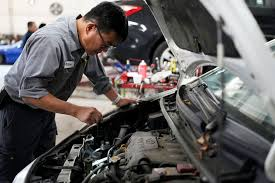
An increasing number of Australians are considering a car repair loan due to rising repair expenses. Drivers are increasingly looking for financial solutions to handle claims, which now account for the majority of insurance costs, while car maintenance prices rise.
Since 2019, auto insurance rates have increased by 42%, primarily as a result of repair costs, which now make up 60% of all claim costs. Over the course of five years, average repair expenses have increased from $3,658 to $5,202, indicating broader financial strain on household budgets. This pattern demonstrates a change in the way Australians are paying for unforeseen car expenses, with an increasing dependence on loans to cover costs associated with repairs.
What’s Pushing Repair Costs Higher?
Several structural factors have converged to create this perfect storm. Modern vehicles feature sophisticated safety technology that reduces accident severity but dramatically increases repair complexity.
Advanced Driver Assistance Systems (ADAS) have transformed collision repair economics. These systems include sensors and cameras alongside automatic braking capabilities. When Toyota redesigned its Camry sedan in 2018, the front bumper part count increased from 18 to 43 components. Front-end collision repair costs rose 43% as a result.
These sensors require specialised calibration that only certified technicians can perform. What used to be routine repairs now demand additional time and expertise.
Supply chain disruptions continue plaguing the automotive sector throughout 2025. Spare parts and accessories costs have climbed nearly 26% over five years. Global shipping delays and elevated import expenses compound availability challenges. Extended wait times for components translate directly into prolonged repair periods and escalating expenses.
The automotive trades sector battles a critical workforce shortage. Nearly half of motor trade positions rely on overseas workers due to chronic domestic skills gaps. Apprenticeship completion rates remain problematic with only 58% finishing their qualifications. Labour scarcity drives wages upward as demand vastly exceeds supply. Consumers ultimately bear these increased costs through higher repair bills.
Insurance Premiums Follow Repair Costs Upward
In order to account for growing repair costs, insurance companies have modified premiums. According to data from the Insurance Council of Australia, rates for comprehensive insurance increased by 42% between 2019 and 2024, averaging $1,052 per year.
A more thorough picture is painted by regional differences. At $3,691 per year, Sydney residents pay the highest premiums in the country. Similar high costs are reported in Melbourne and the Northern Territory. Up until September 2024, insurance inflation was 14% annually. This puts a pressure on household finances and far surpasses typical inflation rates.
The size of the sector is shown by financial statistics. Insurers received $16.8 billion in premiums from 18.13 million policies between September 2023 and September 2024. $11.565 billion in claims were paid out. This amounts to 69% of premium income that is used to settle claims. The largest single component is the cost of repairs.
As a result, customer dissatisfaction has increased. Records from the Australian Financial Complaints Authority show a 148% increase in insurance complaints since 2019–20. Currently, 15% of Australians say that their biggest expense is auto insurance. After council rates and electricity expenses, it comes in third.
Extended Repair Times Create Hidden Costs
Repair duration has emerged as an underappreciated expense factor. Average repair times increased from approximately 39 days in 2019 to around 61 days in 2024. That represents a 58% increase in vehicle downtime.
This extended period creates cascading financial consequences. Rental car costs have jumped 70% since 2019 and frequently exceed insurance policy coverage limits. Many comprehensive policies provide rental coverage for only 14-21 days. Vehicle owners become responsible for additional weeks of rental expenses or alternative transport costs.
For Australians dependent on vehicles for employment, these delays create substantial secondary costs. Lost income and disrupted business operations compound the financial impact. Regional residents with limited public transport access face particularly acute challenges.
The Car Repair Loan Market Expands
The personal lending sector has responded to this growing need with specialised products. Personal loan borrowing reached approximately $9.3 billion in the September 2025 quarter. Vehicle repair loans comprise nearly 4% of personal loan purposes according to Australian Bureau of Statistics data.
Financial institutions and alternative lenders have developed targeted offerings. Providers such as CashLend have established dedicated car repair loan products designed specifically for automotive repair financing. This reflects industry recognition of growing consumer demand.
The average unsecured personal loan rate stands at 10.54% as of November 2025. Typical car repair loan amounts range from $2,500 to $30,000 depending on repair scope and borrower qualifications.
Three Primary Financing Options:
- Unsecured Personal Loans: These require no collateral and enable faster approval but carry higher interest rates between 10-14%. Most lenders provide approval within 24-48 hours. Repayment terms range from one to seven years.
- Secured Personal Loans: These utilise the vehicle as collateral and result in reduced interest rates (6-10% range) plus higher borrowing capacity. However, arrangements carry repossession risk if repayment obligations aren’t met.
- Short-Term Emergency Loans: These offer smaller amounts ($2,000-$5,000) with expedited approval including same-day funding in some cases. Shorter terms (6-12 months) result in higher monthly payments but reduced total interest costs.
Demographic analysis reveals Gen Z and Millennials demonstrate the highest uptake rates. Between 23-26% currently maintain vehicle-related loans. Western Australia reports the nation’s highest financing participation at 19% of residents. The average borrower maintains a credit score of 782, classified within the “very good” range.
Smart Approaches to Repair FinancingEssential Steps Before Borrowing:
- Obtain multiple repair quotations (minimum 2-3 providers) to establish fair market pricing
- Review insurance policy coverage to identify any applicable claim provisions
- Calculate sustainable repayment capacity based on existing financial commitments
- Compare minimum 3-5 lending institutions using comparison rates rather than advertised rates
- Scrutinise fee structures including establishment and monthly service charges
Warning indicators warrant careful reconsideration. Interest rates exceeding 20% should raise concerns. Hidden establishment fees above $500 require scrutiny. Pressure tactics demanding immediate decisions merit caution. Prioritise lending relationships that provide transparent terms and reasonable deliberation timeframes.
Alternative solutions merit consideration before formal lending arrangements. Many automotive repair facilities offer direct payment plans through negotiated arrangements. These avoid credit checks and interest costs. No-Interest Loan Schemes (NILS) administered by community organisations provide up to $2,000 for essential repairs with income-tested eligibility criteria.
Financial counselling services provide confidential guidance on managing unexpected expenses. The National Debt Helpline (1800 007 007) connects consumers with qualified counsellors who assess individual circumstances at no cost.
Available Support Resources
- National Debt Helpline: 1800 007 007 for confidential financial counselling
- Centrelink: 13 17 94 for advance payment options for eligible recipients
- Ask Izzy: askizzy.org.au for comprehensive emergency relief service directory
Comparison platforms including RateCity (ratecity.com.au/personal-loans/car-repair) and Canstar (canstar.com.au) enable systematic evaluation of car repair loan options across multiple providers. Money.com.au maintains a comprehensive database with real-time rate information.
Looking Ahead: Industry Developments
Industry analysts project continued upward pressure on repair costs throughout 2025-2026. Electric vehicle adoption will introduce additional complexity. Specialised tools and battery repairs alongside limited technician training create new cost structures. Mainstream lenders including CashLend are adapting product offerings to accommodate these evolving repair cost profiles.
The Insurance Council of Australia has formally requested government intervention. Priority recommendations include addressing motor trade workforce shortages and strengthening automotive supply chains. Regulating credit hire companies and enhancing insurance fraud prevention measures also feature prominently.
These structural challenges suggest premiums are unlikely to decrease in the near term. Regular insurance comparison shopping remains important. Building dedicated emergency savings for vehicle repairs provides financial protection. Green loans for environmentally focused repairs represent an emerging product category. Usage-based insurance models may provide cost relief for lower-mileage drivers.
While automotive repair costs demonstrate no immediate deceleration, understanding available financing mechanisms enables informed decision-making. Whether through structured personal loans or direct payment arrangements with repair providers, Australian motorists have access to diverse resources. Community support services also provide valuable assistance for maintaining vehicle functionality while managing financial obligations responsibly.