
Choosing the Best eSIM for Budget Travelers in Europe
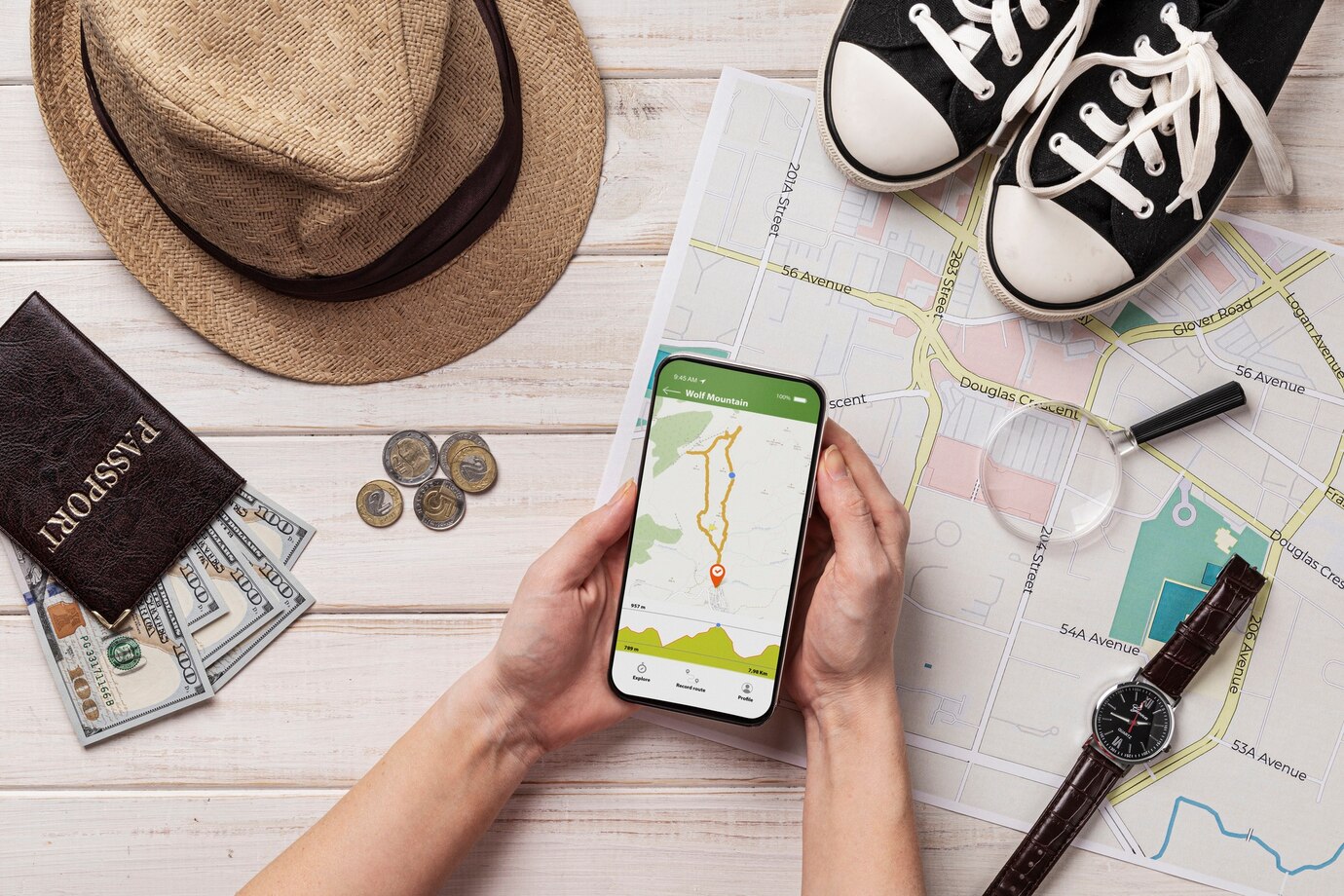
Traveling through Europe on a budget doesn’t mean you should sacrifice staying connected. Whether you’re navigating cobblestone streets in Prague, booking last-minute hostels in Barcelona, or video-calling family from a café in Paris, reliable internet access has become as essential as your passport. For budget-conscious travelers, finding affordable connectivity without breaking the bank is a constant challenge—but eSIM technology is changing the game.
Why Budget Travelers Need Reliable Connectivity in Europe
Modern travel depends heavily on internet access, yet many budget travelers find themselves caught between expensive roaming charges and the hassle of buying local SIM cards in every country they visit. Understanding these connectivity challenges is the first step toward finding a better solution.
The High Cost of Roaming and Its Impact on Travel Budgets
International roaming charges remain one of the biggest budget killers for travelers. Many people return from trips shocked by bills showing hundreds of dollars in unexpected data charges. Your home carrier might charge $10-15 per day for international roaming, which adds up quickly on a two-week European adventure. That’s potentially $210 just for basic connectivity—money that could fund several nights of accommodation or memorable experiences.
These charges hit hardest when you least expect them. Background app updates, automatic photo backups, and even receiving messages can trigger data usage. Budget travelers who’ve carefully planned every euro often find their financial cushion disappearing because they checked Google Maps a few times or posted travel photos to social media. The stress of monitoring every megabyte or simply avoiding internet use altogether diminishes the travel experience.
Staying connected isn’t just about convenience—it’s about safety and practicality. You need internet access to book transportation, find accommodation, access digital tickets, translate languages, and reach emergency services. When traveling on a tight budget, these tools become even more critical since you’re likely using public transportation, staying in unfamiliar neighborhoods, and making spontaneous plans that require real-time information.
Common Connectivity Challenges in Europe
Free Wi-Fi sounds like the perfect solution until you actually try relying on it. Many budget accommodations offer Wi-Fi that barely works, cuts out constantly, or only reaches certain rooms. Hostel common areas get overcrowded, slowing connections to a crawl when everyone tries connecting simultaneously. Coffee shops often require purchases for Wi-Fi passwords, and even then, the connection might be unreliable for anything beyond basic browsing.
Public Wi-Fi networks also pose security risks. Using unsecured connections for banking, bookings, or entering passwords exposes your personal information to potential threats. Budget travelers, who frequently use shared spaces and public networks, face greater vulnerability to data breaches or identity theft.
Purchasing local SIM cards presents its own obstacles. Language barriers make buying SIMs stressful, especially in countries where English isn’t widely spoken. You might struggle to understand plan options, data allowances, or activation requirements. Shops may require local identification or proof of address, creating additional hurdles for tourists.
The process itself consumes valuable travel time. Finding mobile shops, waiting in queues, and dealing with activation issues can waste hours better spent exploring. For travelers visiting multiple countries, this hassle multiplies—buying a new SIM in France, then another in Germany, then again in Austria becomes exhausting and expensive. Managing multiple physical SIM cards means keeping track of tiny pieces of plastic and risking losing your original home SIM card.
What Makes eSIMs Ideal for Budget Travel
eSIM technology eliminates traditional connectivity headaches while offering genuine cost savings. Unlike physical SIM cards, eSIMs are digital profiles downloaded directly to your phone, providing flexibility that physical cards simply cannot match.
Flexibility of eSIMs for Short-Term and Multi-Country Trips
eSIMs revolutionize how travelers handle connectivity across borders. Instead of physically swapping SIM cards at each destination, you download a new digital plan within seconds. This flexibility proves invaluable for budget travelers with complex itineraries covering multiple countries.
Planning a trip through Spain, France, Italy, and Greece? With traditional SIM cards, you’d need four separate purchases, each requiring store visits, paperwork, and activation time. The best european esim plans cover dozens of countries under a single plan, letting you cross borders without worrying about connectivity dropping or needing new SIM cards.
This technology particularly benefits travelers making spontaneous decisions. Decided to extend your stay in Berlin? Need to add a quick stop in Amsterdam? Your eSIM adapts instantly without requiring new purchases or activation processes. You maintain the same phone number and connection throughout your journey, making it easier for travel companions to reach you and for you to manage bookings across different countries.
The purchase and activation process couldn’t be simpler. You buy an eSIM plan online before departure or immediately upon arrival, receive a QR code via email, scan it with your phone’s camera, and activate the plan—all within five minutes. No hunting for mobile shops, no language barriers, no paperwork. This convenience saves both time and stress, especially valuable for budget travelers maximizing every moment of their trips.
Cost Savings Compared to Traditional Roaming or Local SIMs
The financial advantages of eSIMs become clear when comparing costs directly. Your home carrier might charge $10-15 daily for international roaming. Over a 14-day trip, that’s $140-210. Local SIM cards typically cost $20-40 per country, meaning a four-country trip could run $80-160. eSIM plans offering multi-country European coverage often cost $30-60 for the entire trip, providing significant savings.
Budget-conscious travelers appreciate transparent pricing structures. For instance, options like esim europe unlimited data plans eliminate the stress of monitoring usage or running out at critical moments. Knowing exactly what you’ll pay upfront helps maintain budget discipline throughout your journey.
eSIMs also prevent the common scenario of buying too much or too little data. Physical SIM cards often force you into rigid plans—maybe you need 5GB but can only buy 10GB, wasting money on unused data. eSIM providers frequently offer flexible amounts, allowing you to purchase exactly what you need. If you run low, topping up takes seconds through an app rather than requiring store visits.
The elimination of physical SIM card purchases saves money in unexpected ways. You won’t lose your original home SIM card (replacements often cost $10-25). You avoid the temptation to buy expensive international calling credit since you can use your eSIM for data while keeping your regular number for important calls via internet-based services.
No Hidden Fees or Contracts
Budget travelers hate surprises, especially financial ones. Traditional mobile plans often include hidden charges—activation fees, daily connection charges, premium support fees, or penalties for early termination. These unexpected costs undermine careful budget planning and create anxiety about using mobile services.
eSIM providers typically operate on straightforward prepaid models. You pay a set amount for specific data allowances and time periods—that’s it. No monthly contracts, no commitments beyond your travel dates, no automatic renewals unless you want them. This transparency lets you budget accurately and avoid returning home to unexpected charges.
The short-term nature of eSIM plans aligns perfectly with travel timeframes. Whether you need coverage for five days or five weeks, you choose plans matching your exact itinerary. There’s no pressure to commit to longer periods than necessary or pay for services you won’t use. This flexibility proves particularly valuable for budget travelers whose plans might change or who want to minimize fixed expenses.
Many eSIM providers also offer clear usage tracking through mobile apps, showing exactly how much data you’ve consumed and how much remains. This visibility helps you manage usage effectively, avoiding the panic of potentially running out or the waste of buying more than needed. You stay in complete control of your connectivity costs throughout your trip.
Key Factors to Consider When Choosing an eSIM
Not all eSIM providers offer the same value, coverage, or features. Understanding what matters most for your specific travel needs helps you choose the right option and avoid disappointment.
Data Allowance and Trip Duration
Accurately estimating your data needs prevents both overpaying and the frustration of running out mid-trip. Most budget travelers use data primarily for navigation (Google Maps, Citymapper), messaging (WhatsApp, Telegram), social media browsing, and occasional photo uploads. This moderate usage typically requires 1-2GB per day.
Heavier users who frequently upload videos, make video calls, stream music, or watch entertainment content might need 3-5GB daily. Light users focusing mainly on messages and occasional map checks could manage with 500MB-1GB daily. Consider your typical phone habits at home and adjust slightly upward since you’ll likely use maps and translation apps more frequently while traveling.
Trip duration directly impacts which plan type offers best value. Short city breaks of 3-5 days work well with smaller fixed-data packages (3-10GB total). Longer backpacking trips spanning several weeks benefit from larger packages or unlimited daily plans that don’t require constantly monitoring usage. Some providers offer plans by day (unlimited data for 7 days, 14 days, etc.) while others sell by total data amount (20GB valid for 30 days).
Budget travelers should also consider data sharing capabilities. If you’re traveling with companions, some plans allow tethering, meaning one eSIM can provide connectivity for multiple devices. This sharing reduces overall costs since the group doesn’t need separate plans for every person.
Network Coverage Across European Countries
Coverage quality varies significantly between eSIM providers depending on their network partnerships. The most reliable providers partner with multiple major carriers in each country, automatically connecting you to the strongest available network. This redundancy ensures consistent service whether you’re in central Madrid or a small Croatian village.
Urban areas generally offer excellent coverage from any reputable provider. The real differences emerge in rural regions, smaller towns, and remote areas. If your itinerary includes countryside exploration, mountain hiking, or visits to less-touristed regions, prioritize providers with strong rural coverage. Research which networks they use in your specific destinations and check those networks’ coverage maps.
Some countries present unique challenges. For example, if you’re planning esim for uk travel, ensure your provider includes comprehensive UK coverage across all regions, from London to the Scottish Highlands. Similarly, coverage in Scandinavian countries or Eastern Europe sometimes requires different network partnerships than Western European providers maintain.
Border regions deserve special attention. When traveling between countries, your eSIM should automatically switch networks without manual intervention or connection drops. Quality providers handle these transitions seamlessly, but cheaper options might experience delays or require manual network selection. This smoothness matters greatly when crossing multiple borders during your trip.
Device Compatibility and Setup Ease
Before purchasing any eSIM, confirm your phone supports the technology. Most modern smartphones from 2019 onward include eSIM capability, but checking specifically prevents disappointment. iPhones from XR, XS, and 11 onward support eSIM. Google Pixel phones from Pixel 3 onward work with eSIMs. Samsung Galaxy devices from S20 and onward typically include support.
Finding your device compatibility takes seconds. iPhone users check Settings > General > About—if you see an “Available SIM” section or “Digital SIM” option, you’re compatible. Android users check Settings > Connections > SIM Manager for eSIM options. Most eSIM providers also maintain compatibility checkers on their websites where you enter your phone model for instant confirmation.
Some phones support multiple eSIM profiles simultaneously, allowing you to maintain your home number while using a travel eSIM for data. This dual-SIM capability means you can receive important calls or messages on your regular number without expensive roaming charges while using your eSIM for all data needs. Understanding your phone’s specific capabilities helps you maximize this functionality.
The setup process typically involves three simple steps: purchase your plan and receive a QR code via email, ensure you have internet connectivity (Wi-Fi at your accommodation or airport), and scan the QR code through your phone’s settings to download and activate the profile. The entire process takes 5-10 minutes, even for first-time users. Most providers include detailed visual guides for different phone models, making activation straightforward even if you’re not tech-savvy.
Simify: Your Go-To Solution for Affordable European Connectivity
When comparing eSIM providers for European travel, Simify stands out for budget travelers seeking reliable coverage without premium pricing. Their platform combines straightforward plan selection, transparent pricing, and dependable service across dozens of European countries.
Simify’s plans specifically target traveler needs rather than forcing tourist SIM buyers into packages designed for local residents. You’ll find options for various trip lengths and data requirements, from weekend city breaks to month-long backpacking adventures. Their pricing remains competitive while maintaining quality network partnerships that ensure consistent connectivity in both major cities and smaller towns.
The setup process reflects their traveler-first approach. After purchase, you receive immediate access to your QR code and clear activation instructions. Their customer support team understands common traveler concerns and responds quickly to questions about coverage, activation, or plan changes. This responsiveness matters greatly when you’re troubleshooting from a foreign country without other connectivity options.
Simify’s coverage spans popular destinations like France, Spain, Italy, Germany, and the UK, while also including less-visited countries in Eastern Europe and the Balkans. This comprehensive reach means you won’t lose connectivity when venturing off the typical tourist trail. Their transparent data policies clearly outline what’s included, how to monitor usage, and how to top up if needed—no fine print surprises.
Top Tips for Maximizing Your eSIM Experience
Getting the most value from your eSIM requires some strategic planning and smart usage habits. These practical tips help extend your data and improve your overall connectivity experience.
Plan Your Data Usage Wisely
Data conservation doesn’t mean sacrificing functionality—it means using your data intentionally. Download offline maps for all your destinations before relying on data. Google Maps allows saving entire city maps for navigation without internet access. This single step can reduce data consumption by 30-40% since navigation typically represents one of the largest usage categories.
Adjust your phone settings to minimize background data usage. Disable automatic app updates, limit background app refresh, and turn off automatic photo/video backups while traveling. These silent data drains can consume gigabytes without you realizing. Wait until you’re on Wi-Fi to update apps or backup photos to cloud services.
Messaging apps use minimal data compared to social media browsing or video streaming. WhatsApp messages, including photos, use relatively little bandwidth. However, scrolling through Instagram, Facebook, or TikTok for 30 minutes can consume 100-300MB. If you’re on a limited data plan, save social media browsing for Wi-Fi connections and use your eSIM primarily for essential communication and navigation.
Download entertainment content before trips. Spotify allows downloading playlists, Netflix enables downloading shows and movies, and podcast apps let you save episodes. Entertainment streaming represents massive data consumption—a single hour of Netflix in standard quality uses about 1GB. Pre-downloading content for long train rides or downtime prevents data drain while maintaining entertainment access.
Most smartphones include data tracking tools showing which apps consume most data. Review these regularly during travel and adjust usage patterns accordingly. You might discover surprising culprits like email apps constantly syncing or weather apps updating too frequently.
Combine eSIM with Free Wi-Fi Strategically
Balancing eSIM data with available Wi-Fi requires strategy rather than simply connecting to every available network. Use your eSIM for quick essential tasks while moving—checking directions, confirming bookings, or sending messages. Save data-intensive activities like uploading photos, video calls, or detailed research for trusted Wi-Fi networks.
Evaluate Wi-Fi security before connecting. Legitimate networks at your accommodation, established cafes, or official venues generally offer reasonable security. Avoid networks with no password, suspiciously generic names (like “Free WiFi” or “Public Network”), or those requiring unusual personal information for access. When using public Wi-Fi, avoid accessing sensitive accounts or entering payment information.
Your eSIM provides a secure backup when Wi-Fi proves unreliable or unsafe. Rather than struggling with slow hostel Wi-Fi or risking unsecured connections, use your eSIM data with confidence knowing it’s your own encrypted connection. This flexibility alone justifies eSIM costs for many travelers who value both convenience and security.
Cafes and restaurants often expect purchases in exchange for Wi-Fi passwords. Calculate whether buying a coffee for Wi-Fi access makes sense compared to using your eSIM. If you’re stopping anyway, using venue Wi-Fi saves data. But don’t make unnecessary purchases solely for internet access when your eSIM already provides connectivity.
Keep Backup Options Ready
Even with reliable eSIM service, having contingency plans prevents connectivity emergencies. Many eSIM providers allow installing multiple profiles on your phone. Consider purchasing a small backup plan from a different provider with coverage in your destinations. Keep this secondary option installed but inactive—you can activate it immediately if your primary eSIM experiences issues.
Understand your provider’s top-up process before you need it. Download their app, save their website, and know exactly how to add more data if you run low. Some providers offer instant top-ups processed within seconds, while others might take 10-15 minutes. Knowing this prevents panic when your data runs low at critical moments.
Maintain offline access to essential information. Save confirmation emails, booking details, address lists, and emergency contacts in offline-accessible formats. Take screenshots of important information rather than assuming you’ll always have connectivity to access cloud-stored documents. This preparation proves invaluable during those rare moments when connectivity fails.
Keep your home SIM card safely stored if you’ve removed it to use eSIM exclusively. Some travelers accidentally lose their original SIM while traveling, creating headaches upon returning home. Use your phone’s SIM tray tool or keep your physical SIM in a secure section of your wallet or travel documents.
FAQs About Using eSIMs for Budget Travel in Europe
Q: How do I know if my phone is compatible with an eSIM?
A: Checking compatibility takes just moments. For iPhones, open Settings > General > About and look for “Available SIM” or “Digital SIM” listings—if present, your phone supports eSIM. Android users should check Settings > Connections > SIM Manager for eSIM options. Most smartphones manufactured from 2019 onward include eSIM support, specifically iPhone XR and newer, Google Pixel 3 and newer, and Samsung Galaxy S20 and newer models. When in doubt, visit your eSIM provider’s website—most maintain compatibility checkers where you simply enter your phone model for instant confirmation. Simify and similar providers list all compatible devices clearly on their platforms. If your phone doesn’t support eSIM, you’ll need to stick with traditional physical SIM cards, though upgrading to a newer phone model before your trip might be worth considering given eSIM advantages.
Q: Are eSIMs cheaper than buying local SIM cards in Europe?
A: eSIMs typically offer significant cost advantages, especially for multi-country trips. Local SIM cards usually cost $20-40 per country, meaning a typical four-country European trip could run $80-160 total. eSIM plans with multi-country coverage often cost $30-60 for the entire journey regardless of how many borders you cross. Beyond direct purchase costs, eSIMs eliminate hidden expenses like losing your original home SIM card (replacements cost $10-25), wasting time hunting for mobile shops (opportunity cost of lost sightseeing time), or dealing with language barriers that might result in purchasing wrong plans. Providers like Simify structure pricing specifically for travelers, offering plans that match typical trip lengths and data needs rather than forcing tourists into packages designed for local residents. The transparency means you know exactly what you’re paying upfront with no surprise charges upon returning home.
Q: Can I use my eSIM in multiple European countries?
A: Yes, this represents one of eSIM technology’s greatest advantages. Most quality eSIM providers, including Simify, offer regional European plans covering 30-40+ countries under a single purchase. Your eSIM automatically connects to partner networks as you cross borders without manual intervention or connection drops. This seamless coverage means traveling from Portugal through Spain, France, Switzerland, and Italy requires zero connectivity changes or additional purchases. The eSIM handles network switching automatically, selecting the strongest available signal in each location. This convenience proves particularly valuable for budget travelers with complex itineraries who would otherwise need separate SIM cards for each country. Some providers focus on specific regions (Western Europe vs. all of Europe), so confirm your specific destinations are covered when purchasing. Most providers clearly list all included countries in plan descriptions, making verification simple before buying.
Q: How easy is it to activate an eSIM while traveling?
A: Activation typically takes 5-10 minutes and requires minimal technical knowledge. After purchasing your plan, you receive a QR code via email (save this email or screenshot the code as backup). Ensure you have internet connectivity—airport Wi-Fi, hotel Wi-Fi, or even a brief cafe stop works fine. Open your phone’s settings, navigate to the cellular or mobile data section, select “Add eSIM” or similar option, and scan the QR code using your camera. Your phone downloads the eSIM profile automatically and prompts you to activate it. Simify and similar providers include detailed visual guides for various phone models, making the process straightforward even for first-time users. Most phones allow installing the eSIM profile while still at home before departure, then activating it upon arrival in Europe. This advance setup eliminates arrival stress, letting you step off the plane with immediate connectivity. If issues arise, most providers offer customer support via email or chat to troubleshoot.