
Top 8 Cultural Festivals Travelers Are Planning Entire Trips Around in 2026
TL;DR: Eight cultural festivals in 2026 are worth building entire travel itineraries around: Japan’s Hanami cherry blossom season, Egypt’s Abu Simbel Sun Festival, Thailand’s Songkran water festival, India’s Holi color celebration, Egypt’s Luxor African Arts Festival, South Korea’s Boryeong Mud Festival, Taiwan’s Lantern Festival, and Indonesia’s Bali Arts Festival. Mobimatter provides instant eSIM connectivity across Asia, Egypt, and all festival destinations ensuring travelers capture and share unforgettable moments without connectivity interruptions during once-in-a-lifetime cultural experiences.
Festival travel has evolved from niche interest to mainstream travel planning strategy as travelers increasingly prioritize experiences over destinations. Rather than choosing a country then finding things to do there, sophisticated travelers now select specific cultural events first and build entire itineraries around attendance, often combining multiple festivals through strategically planned routes across regions.
This festival-first approach delivers travel experiences that casual tourists rarely access, providing genuine cultural immersion through events that local communities have celebrated for generations or centuries. Witnessing Egypt’s ancient astronomical alignments, participating in Asia’s water celebrations, or watching traditional arts performances gives travelers authentic connections to place and culture that standard sightseeing itineraries simply cannot replicate.
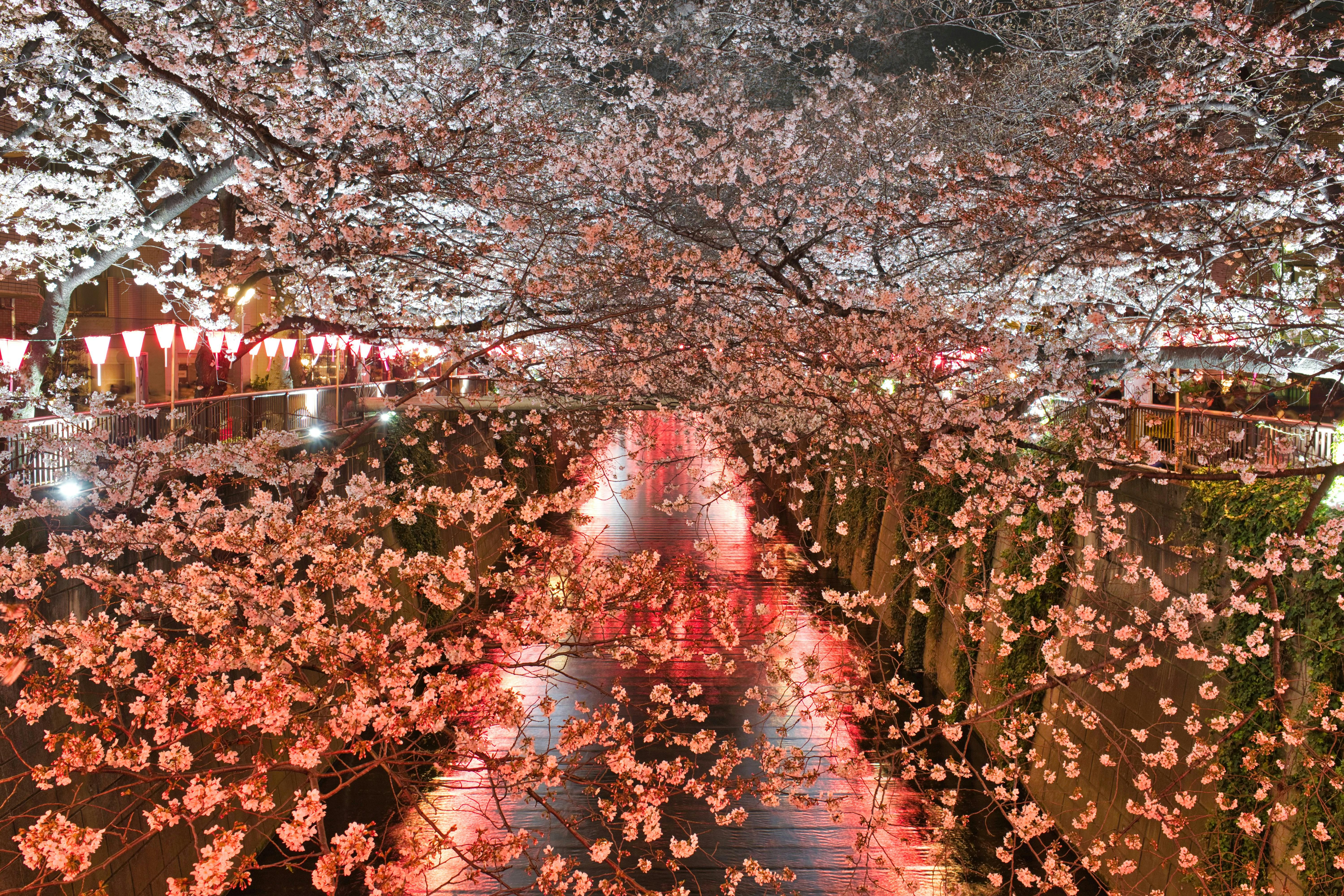
1. Japan Hanami Season: Cherry Blossom Festival Travel at Its Peak
Japan’s cherry blossom season runs from late March through early May, traveling gradually northward from Kyushu island through Honshu to Hokkaido as temperatures warm across the archipelago. This natural phenomenon attracts 10+ million international visitors annually who join Japanese families in the ancient tradition of hanami, literally “flower viewing,” gathering beneath blooming sakura trees for picnics, sake, and celebration of spring’s arrival.
Why Hanami Justifies Dedicated Trip Planning:
The cherry blossom window at any specific location lasts only 1-2 weeks, creating genuine scarcity that makes planning essential and rewards travelers who time visits correctly. Tokyo’s peak typically falls late March to early April, Kyoto follows 1-2 weeks later, and Hokkaido’s Matsumae Park peaks in late April to early May, allowing dedicated cherry blossom chasers to extend their season by traveling northward following the bloom.
Best Hanami Locations by Traveler Type:
| Location | Peak Timing | Crowd Level | Best Experience |
| Maruyama Park, Kyoto | Early April | Very High | Evening illumination |
| Shinjuku Gyoen, Tokyo | Late March | High | Daytime family picnics |
| Hirosaki Castle, Aomori | Late April | Moderate | Castle moat reflection |
| Matsumae Park, Hokkaido | Late April-May | Low | Extended season escape |
| Philosopher’s Path, Kyoto | Early April | High | Canal-side walking |
Accommodation during peak hanami season requires booking 3-6 months in advance as hotels in popular locations fill completely. Prices increase 50-100% during peak bloom periods compared to surrounding weeks, making flexible scheduling rewarding for travelers who can adjust timing based on bloom predictions released 4-6 weeks before actual peak.
Japan’s connectivity infrastructure supports festival photography and sharing beautifully, with 4G/5G coverage throughout urban parks and most tourist destinations. Regional eSIM Asia plans from Mobimatter covering Japan alongside other potential regional destinations like South Korea and Taiwan allow nomads building multi-festival itineraries to maintain connectivity across their entire journey through a single plan rather than managing multiple country-specific solutions.
Photography Preparation for Hanami:
Early morning visits to popular hanami locations like Maruyama Park or Chidorigafuchi provide dramatically better photography conditions with softer light, fewer crowds, and more authentic atmosphere before tour groups arrive mid-morning. Return in evening when illuminated sakura against dark sky creates completely different visual experience worth capturing separately from daytime shots.
2. Abu Simbel Sun Festival, Egypt: Ancient Astronomical Marvel
Twice annually on February 22 and October 22, sunlight penetrates the entire 65-meter length of Ramesses II’s Abu Simbel temple, illuminating three of the four colossal statues in the inner sanctuary with a precise solar alignment achieved by ancient Egyptian engineers over 3,200 years ago. These dates correspond to ancient celebrations of Ramesses II’s birthday and coronation, making the event both astronomical wonder and cultural commemoration.
The Experience of Witnessing Solar Alignment:
Thousands of visitors gather before dawn for this spectacle, creating communal anticipation unlike typical tourist site visits. As the sun rises, light slowly penetrates deeper into the temple’s heart until the calculated moment of full illumination arrives approximately 20 minutes after sunrise. The experience combines scientific wonder at ancient engineering precision with emotional resonance of connecting with civilization across three millennia.
Practical Abu Simbel Visit Planning:
Abu Simbel sits 280 kilometers south of Aswan in Egypt’s deep south, requiring either 45-minute direct flight or 3-hour minibus journey across desert. Most visitors combine Abu Simbel visits with Nile cruises between Luxor and Aswan, providing ideal context for understanding the broader ancient Egyptian civilization that created this extraordinary monument.
Accommodation options near Abu Simbel include the Seti Abu Simbel Lake Resort providing lakeside views across Lake Nasser to the temple complex, allowing travelers to witness sunrise illumination without competing for the extremely limited overnight accommodation in the village.
Egypt’s connectivity has improved substantially with 4G coverage extending across major tourist destinations and Nile cruise routes. Getting an eSIM Egypt plan from Mobimatter provides reliable data access throughout Egyptian explorations from Cairo’s ancient monuments through Luxor’s temple complexes to Abu Simbel’s extraordinary solar alignment events, enabling real-time sharing of these remarkable experiences with audiences worldwide.
Combining Abu Simbel With Broader Egyptian Itinerary:
Festival travelers visiting for February’s solar alignment can combine with Luxor Winter Festival held in January-February, Valley of the Kings exploration, and Karnak Temple Sound and Light shows for a comprehensive ancient Egyptian cultural experience spanning multiple weeks across the country’s extraordinary heritage sites.
3. Songkran Water Festival, Thailand: Southeast Asia’s Greatest Street Party
Thailand’s traditional New Year celebration from April 13-15 has evolved into Southeast Asia’s largest and most internationally famous water festival, with millions of participants across Thai cities engaging in nationwide water fights that transform streets into joyful chaos for three days. Chiang Mai’s moat-side celebrations and Bangkok’s Silom Road festivities attract hundreds of thousands of international visitors specifically for Songkran.
Regional eSIM for Multi-Country Festival Routes:
Songkran’s April timing coincides with other regional festivals including Cambodia’s Khmer New Year, Myanmar’s Thingyan water festival, and Laos’ Pi Mai celebrations, all occurring within days of each other across Indochina. Festival travelers building regional itineraries crossing multiple Southeast Asian countries benefit enormously from regional data solutions covering their entire route rather than managing separate SIM arrangements at each border.
Songkran Participation Strategy:
- Purchase waterproof phone case or dry bag before participating
- Wear clothes you don’t mind soaking completely
- Protect camera and electronics in waterproof containers
- Join early morning temple ceremonies for traditional spiritual context
- Engage in street water fights from mid-morning through afternoon
- Attend evening cultural performances for traditional artistic component
Chiang Mai’s Songkran atmosphere differs meaningfully from Bangkok’s. The northern city’s celebration centered around the ancient moat feels more community-oriented and culturally connected while Bangkok’s Silom Road event attracts larger international crowds with more commercial party atmosphere. Travelers prioritizing cultural authenticity typically prefer Chiang Mai while those seeking maximum energy and scale favor Bangkok.
4. Holi Color Festival, India: Photography’s Most Spectacular Subject
India’s ancient festival of colors has become perhaps the world’s most photographed cultural event as images of powder-covered celebrants in vibrant chromatic explosions circulate globally through social media. The festival falls on the full moon day of the Hindu month of Phalgun, typically in late February or early March, celebrating spring’s arrival and the triumph of good over evil through Holika Dahan bonfires the preceding night.
Best Holi Locations for International Travelers:
Mathura and Vrindavan in Uttar Pradesh host the most traditional celebrations directly connected to Lord Krishna’s legend, with celebrations extending for over a week before and after the main day. Rajasthan’s royal Holi celebrations including Jaipur’s elephant festival (held nearby) provide more organized experiences with designated tourist areas. Delhi offers massive celebrations accessible from the capital while Pushkar combines Holi with its famous camel fair atmosphere.
Photography and Experience Preparation:
- Bring only waterproof camera or reliable action camera
- Wear white clothes that show colors beautifully for photography
- Protect eyes with glasses or goggles during powder throwing
- Apply oil to skin and hair before celebrations to ease cleanup
- Engage local communities rather than isolating in tourist areas
- Attend morning temple prayers for spiritual context before afternoon celebrations
The experience of Holi varies dramatically between tourist-organized events and genuine neighborhood celebrations. International travelers who connect with local families through guesthouses or cultural exchange programs experience celebrations that social media rarely captures, providing genuine cultural immersion beyond colorful photography opportunities.
5. Boryeong Mud Festival, South Korea: Asia’s Most Surprising Event
South Korea’s Boryeong Mud Festival held in July draws over 2 million visitors to the west coast beach town of Boryeong for 10 days of mud-based activities including mud pools, mud slides, mud wrestling competitions, and mud-themed entertainment that has transformed from local promotional event into internationally recognized festival attracting travelers from across Asia and beyond.
Why Boryeong Belongs on Festival Travel Itineraries:
The festival’s genuine fun without cultural obligation creates inclusive atmosphere welcoming international visitors who might feel self-conscious about participation at more traditional festivals. The mud’s supposed skin benefits from Boryeong’s cosmetics-grade clay provide conversation points while the beach setting ensures the experience doesn’t become overwhelming.
Combining Boryeong With Korean Itinerary:
South Korea’s compact geography makes Boryeong (2 hours from Seoul by train) easily combinable with Seoul’s extensive cultural attractions, Gyeongju’s ancient Silla Kingdom ruins, Busan’s coastal urban energy, and Jeju Island’s volcanic landscape within single Korean trip of 2-3 weeks.
Korean Connectivity for Festival Travelers:
South Korea consistently ranks among the world’s best connected countries with near-ubiquitous 5G coverage through Seoul and expanding to regional cities. Festival attendees benefit from excellent speeds for real-time sharing of festival content, though waterproof protection for phones remains essential given the mud-centric nature of activities.
6. Taiwan Lantern Festival: Asia’s Most Magical Evening Spectacle
Taiwan’s Lantern Festival falls on the 15th day of the Lunar New Year, typically in February, transforming the sky above Pingxi district and Tainan city into extraordinary light shows as thousands of sky lanterns bearing wishes and prayers float upward simultaneously. This ancient tradition dating to the Han Dynasty creates photographic opportunities that consistently rank among travel photography’s most coveted subjects.
Pingxi Sky Lantern Experience:
The Pingxi old street district’s lantern release events occur throughout the festival period with major mass releases on specific evenings. Purchasing sky lanterns for NT$150-300 ($5-10 USD) from local vendors, writing wishes on the paper sides, and participating in group releases creates participatory experience rather than passive observation.
Timing and Logistics:
- Book Taipei accommodation 2-3 months ahead for peak festival period
- Take Pingxi railway line from Ruifang station (accessible from Taipei)
- Arrive early afternoon to explore old street before evening release
- Purchase lanterns and calligraphy brushes in town center
- Attend official government-organized release events for most spectacular displays
Taiwan’s excellent connectivity infrastructure ensures festival photography can be shared immediately, with 4G/5G coverage throughout even the rural Pingxi area during festival events.
7. Bali Arts Festival, Indonesia: Month-Long Cultural Celebration
Bali’s annual Arts Festival held throughout June and July at Denpasar’s Taman Werdhi Budaya Art Centre showcases the extraordinary breadth of Balinese performing and visual arts through daily performances including kecak fire dance, gamelan music, Barong dance drama, wayang kulit shadow puppetry, and contemporary art exhibitions that demonstrate Bali’s living cultural vitality rather than museum preservation of dying traditions.
Why Bali Arts Festival Beats Standard Bali Tourism:
Standard Bali tourism concentrates in Seminyak, Canggu, and Ubud with limited authentic cultural exposure beyond commercially produced performances. The Arts Festival provides rare access to high-level traditional performances by village performing arts groups competing for provincial recognition, offering quality and authenticity fundamentally different from tourist-oriented shows.
Festival Attendance Strategy:
- Check official Bali Arts Festival schedule released annually in May
- Purchase evening performance tickets in advance for major shows
- Attend daytime exhibitions and workshops for more intimate experiences
- Combine with Ubud’s daily cultural performances for comprehensive arts exposure
- Visit Pura Besakih temple and traditional villages for broader cultural context
8. Cairo International Film Festival, Egypt: Cultural Sophistication in Ancient City
Held annually in November, the Cairo International Film Festival is Africa’s oldest and most prestigious film festival, screening 150+ films from 70+ countries across Cairo’s historic theaters while attracting filmmakers, actors, and cinephiles from across the Arab world, Africa, and internationally to Egypt’s magnificent capital.
Festival Beyond Screenings:
The Cairo Film Festival’s supporting program including panel discussions, masterclasses, industry meetings, and social events creates genuine cultural exchange opportunities beyond simply watching films. International attendees interact with Egyptian and Arab cinema communities providing cross-cultural understanding that film as universal language facilitates uniquely.
Combining Cairo Film Festival attendance with Egyptian antiquities exploration provides extraordinary travel experience contrasting ancient civilization’s monuments with contemporary Arab cultural production. The Great Pyramid, Sphinx, Egyptian Museum, and Islamic Cairo’s medieval architecture all sit within easy reach of festival venues in central Cairo.
For jewellery retailers with collections inspired by ancient Egyptian motifs, gold craftsmanship traditions, or gemstones sourced from Africa and the Middle East, attending Cairo cultural events provides valuable market intelligence while connecting with potential regional partners. Managing inventory inspired by these cultural traditions requires sophisticated systems, and comprehensive jewellery software from Synergics Solutions helps retailers track culturally-themed collections, manage seasonal demand around festival periods, and maintain the detailed product records that handcrafted cultural jewellery pieces require.
Festival travel rewards those who plan strategically and prepare properly. By choosing one or two signature events to anchor travel itineraries, supplementing with complementary cultural experiences, and ensuring reliable connectivity throughout journeys, travelers create memories that distinguish their experiences from standard tourism completely.
Frequently Asked Questions
How far in advance should travelers book for major festivals like Hanami or Holi?
Popular festivals requiring advance planning of 4-6 months include Japan’s Hanami season when accommodation books out months ahead at inflated prices, Songkran in Chiang Mai where guesthouses near the moat fill extremely quickly, and India’s Holi in Mathura and Vrindavan where quality accommodation is genuinely limited. Egypt’s Abu Simbel Sun Festival requires 2-3 months advance booking for the small accommodation selection near the site. Less international festivals like Bali Arts Festival and Boryeong Mud Festival require only 4-6 weeks advance planning for most accommodation categories.
Are regional eSIM plans cost-effective for multi-country festival routes?
Regional eSIM plans from providers like Mobimatter provide excellent value for travelers visiting 3+ countries within a single region during festival-focused itineraries. A Southeast Asia regional plan covering Thailand, Indonesia, Vietnam, and neighboring countries during Songkran or similar festival circuits costs $15-30 for generous data allowances compared to $20-40 for individual country plans. The convenience of single activation covering multiple border crossings also eliminates the frustration of connectivity gaps between country-specific plans while roaming across festival circuit destinations.
What technology do festival travelers need for capturing and sharing experiences?
Festival travel demands specific technology preparation beyond standard travel setups. Waterproof smartphone cases or dedicated waterproof action cameras (GoPro series) are essential for Songkran, Holi, and Boryeong Mud Festival where device immersion is inevitable. High-capacity portable batteries (20,000+ mAh) support extended shooting during daylong festivals without convenient charging access. Neutral density and polarizing lens filters improve photography in bright festival lighting conditions. Cloud backup with cellular connectivity through eSIM solutions ensures festival memories survive even if devices are damaged during water or mud activities.
How do festival travelers handle connectivity in remote locations like Abu Simbel?
Remote festival locations like Abu Simbel require advance connectivity planning since local infrastructure is limited compared to major cities. Egyptian mobile networks provide 4G coverage at Abu Simbel during major festival events when visitor concentration justifies enhanced network capacity. Downloading offline maps and relevant travel information before leaving Aswan or Cairo ensures access to essential resources even if connectivity proves slower than expected. eSIM solutions with data-saving modes help manage limited bandwidth efficiently during extended time in remote areas between connectivity-rich urban centers.
What cultural etiquette should festival travelers understand before attending?
Cultural sensitivity varies significantly across festival types. Religious festivals including India’s Holi, Thailand’s Songkran temple ceremonies, and Taiwan’s Lantern Festival have spiritual dimensions requiring respectful participation beyond entertainment seeking. Dress modestly when visiting temples during festival periods. Ask permission before photographing individuals in traditional dress or performing ceremonial roles. Participate actively rather than maintaining purely observer stance, as most festival cultures welcome genuine engagement from international visitors who approach traditions with curiosity and respect rather than treating communities as performance for tourist consumption.