
How EMS Sculpting Works
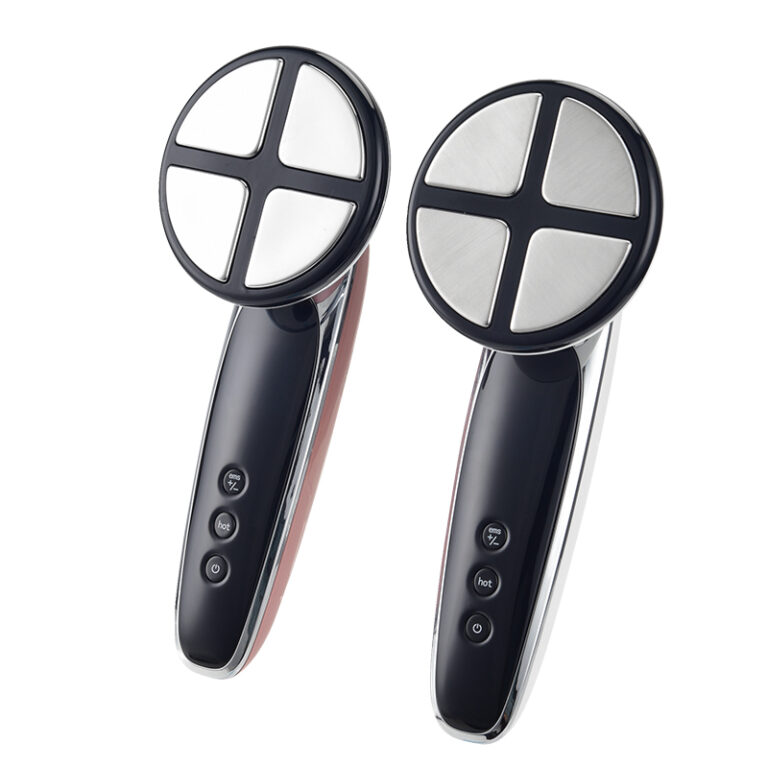
The technology behind an EMS sculpting machine is based on the principle of supramaximal muscle contractions. While traditional EMS devices deliver low-frequency electrical impulses that cause mild muscle twitching, professional body-sculpting machines use more advanced technologies to achieve deeper and more intense muscle activation.
HIFEM (High-Intensity Focused Electromagnetic) technology, used in devices like EMSCULPT, generates a powerful electromagnetic field that penetrates through skin and fat tissue without resistance. It induces electrical currents within the muscle fibers, triggering up to 30,000 supramaximal contractions in a single 30-minute session. These contractions are far stronger than what voluntary effort can produce, forcing the muscle to adapt and remodel its inner structure.
Traditional EMS (Electrical Muscle Stimulation) uses electrical impulses delivered through pads placed on the skin. These signals mimic natural nerve signals and cause muscles to contract rhythmically. EMS is generally used for lighter muscle toning, rehabilitation, and improving circulation.
The key difference between the two technologies lies in penetration depth and intensity. HIFEM can reach up to 8 cm beneath the skin, targeting deep muscle layers that are hard to reach with exercise or surface-level therapies. EMS primarily targets surface-level muscles (1–2 cm).
Key Technologies and Their Applications
EMS (Electrical Muscle Stimulation) is widely used in beauty salons, physiotherapy centers, and fitness programs. It works within the 1–100 Hz frequency range and is effective for mild sculpting, improving muscle firmness, and supporting lymphatic flow. EMS has a long history of medical and rehabilitation use, making it a first choice for activating weakened muscles after injury or improving proprioception.
HIFEM (High-Intensity Focused Electromagnetic) technology is designed for more intensive body contouring. Clinical studies show that HIFEM treatments can lead to up to 16% muscle gain and 19% fat loss after a full course. It is used for strengthening and defining the abdomen, buttocks, arms, thighs, and calves.
HIEMT+RF (High-Intensity Electromagnetic Muscle Training combined with Radio Frequency) is an advanced combination platform. The RF energy warms the muscle and fat layer before and during electromagnetic stimulation, which helps clients achieve both fat reduction and muscle building in one session. This combination also helps tighten the skin over the newly built muscle, preventing muscle definition from being obscured by loose skin.
Treatment Areas and Session Protocol
EMS sculpting machine is designed to treat multiple body areas. Common treatment zones include the abdomen, buttocks, thighs, arms, and calves. Some devices also offer pelvic floor treatment, which can help with postpartum recovery and urinary incontinence.
A typical session lasts 20 to 30 minutes. The treatment is passive: you lie down while the applicators are placed on the target area, and the machine does the work. Most protocols recommend 4 to 12 sessions with intervals of 2 to 3 days. Results build progressively over the course of treatment, and maintenance sessions are often recommended to sustain the improvements.
What to Consider When Selecting an EMS Sculpting Machine
Choosing the right machine for a clinic or salon requires careful evaluation of several factors.
Technology Type: Determine whether you need basic EMS for light toning or HIFEM/HIEMT for intensive body sculpting. If you want to offer fat reduction alongside muscle building, look for a HIEMT+RF combination platform.
Applicator Configuration: The number of handles determines treatment efficiency. A two-handle machine is suitable for small studios and targeted treatments. A four-handle machine allows you to treat two areas simultaneously, doubling room efficiency.
Certifications: For professional use, ensure the machine carries relevant certifications such as CE Medical, FDA clearance (for the U.S. market), and ISO 13485 for quality management. These certifications protect your business and ensure the machine meets safety and performance standards.
Manufacturing Quality: Choose a manufacturer that produces machines in its own factory, uses industrial-grade components, and tests every unit before shipment. Ask whether the supplier is a real manufacturer or just a reseller.
After-Sales Support: A reliable supplier should offer a clear warranty policy (two years is the professional standard), operation training, fast technical response, and long-term spare parts support.
What to Expect During and After Treatment
During an EMS or HIFEM session, you will feel a warm sensation and muscle contractions. The intensity can be adjusted based on your tolerance. HIFEM produces deeper contractions that may feel more intense than EMS, but the treatment is generally pain-free.
After treatment, many people feel their muscles have been “worked hard,” similar to the effect of an intense training session. Some may experience mild muscle soreness, redness, or tingling, which usually settles within a day or two.
EMS sculpting is generally well-tolerated. However, it is not appropriate during pregnancy or for people with implanted electronic devices such as pacemakers, or metal implants in the treatment area. A consultation with a specialist is recommended to review medical history and any contraindications.
The Bottom Line
An EMS sculpting machine is a versatile tool for non-invasive body contouring. It uses EMS or HIFEM technology to trigger deep muscle contractions, building muscle and reducing fat without surgery or downtime. For clinics and salons, it offers an opportunity to add a high-demand service. For consumers, it provides an option for body sculpting that complements diet and exercise. Understanding the technology, treatment protocols, and selection criteria will help you determine whether this type of device is the right fit for your needs.