
How to Choose the Right AI Video Generator for Social Media Content in 2026
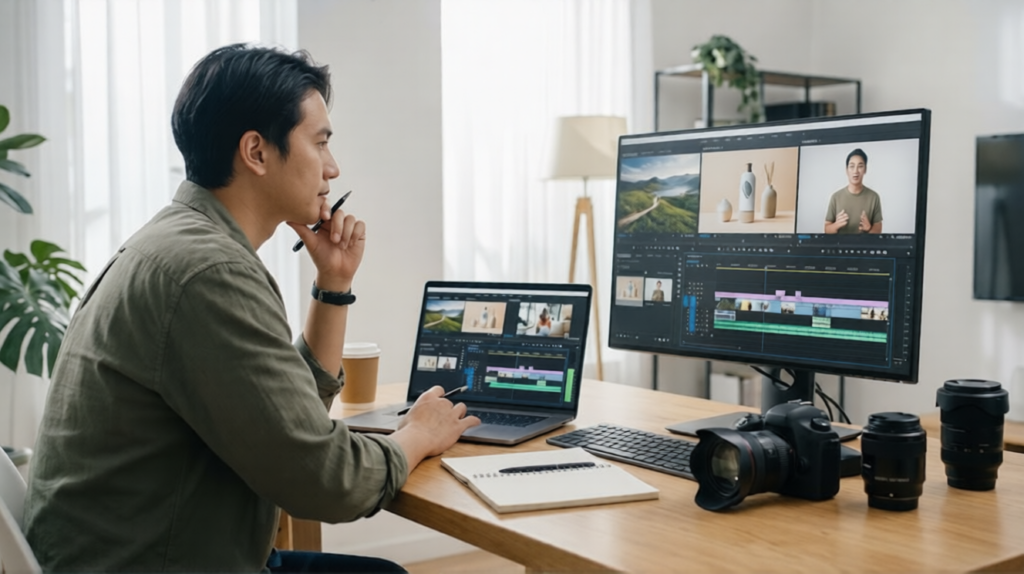
Social media in 2026 moves fast. Feeds refresh every second. Trends rise and disappear within days. Short videos dominate nearly every platform, from TikTok and Instagram Reels to YouTube Shorts and even LinkedIn. For brands, creators, and marketers, AI-powered video creation is no longer optional—it’s essential.
The real challenge is not whether to use artificial intelligence for video production. The challenge is choosing the right tool. There are dozens of platforms, hundreds of models, and endless claims about “cinematic quality” and “next-level realism.”
One marketer recently tested five different systems for a product launch. The results looked impressive at first glance. But when it came time to export in the correct format, maintain brand colors, and generate consistent clips across multiple scenes, the weaknesses became clear.
Choosing the right system requires more than chasing hype. It requires understanding how these tools fit into a social media workflow.
Key Factors to Consider Before Choosing a Platform
When selecting a system for short-form or long-form content, several practical factors matter more than marketing promises.
1. Model Variety
Different creative tasks require different strengths. One model might excel at cinematic motion. Another might generate strong product visuals. A third might integrate audio more naturally.
Relying on a single engine limits creative control. Platforms that offer multiple models allow creators to select the best tool for each stage of production.
2. 1080p Output Quality
Many free tools generate videos with watermarks or lower resolution. For professional social media campaigns, full HD output is the minimum standard. Blurry visuals damage brand credibility instantly.
Marketers should confirm:
- Is 1080p available across all models?
- Is it locked behind premium tiers?
- Are exports compressed heavily?
Clear output matters, especially for paid promotions.
3. Speed vs. Quality Trade-Off
In social media marketing, timing is everything. Sometimes speed matters more than perfect realism. Other times, cinematic quality wins.
Some systems generate results quickly but with less consistency. Others produce stunning visuals but take longer to render.
Understanding this trade-off helps avoid frustration.
4. Cost Transparency
Subscription fatigue is real. Creators often sign up for multiple services—one for images, another for motion, another for audio.
Hidden fees, usage limits, and credit systems can become confusing. A predictable pricing structure simplifies budgeting.
5. Social Format Support
Different platforms demand different aspect ratios:
- 9:16 for TikTok and Reels
- 16:9 for YouTube
- 1:1 for Instagram feeds
Switching between formats manually wastes time. Tools that support all major ratios save hours of editing.
Comparison: Free Tools vs. Multiple Subscriptions vs. All-in-One Platforms
Below is a simple comparison that clarifies the real differences:
| Need | Free Tools | Multiple Subscriptions | All-in-One Platform |
| Model variety | 1 model only | Separate accounts | 20+ models in one place |
| Social formats | Limited | Varies by tool | All ratios supported |
| 1080p output | Watermarked | Plan-dependent | Across all models |
| Compare results | Not possible | Manual | Built into workflow |
| Budget control | Hidden costs | Multiple bills | Single credit system |
| Latest models | Months behind | Sign up everywhere | Day-one access |
For social media marketers managing campaigns across platforms, switching between accounts can become chaotic. Many professionals now prefer centralized environments where testing and exporting happen inside one workflow.
Some creators explore an GenMix platform specifically because it combines multiple engines in one place, allowing comparison without rebuilding projects from scratch.
Model Spotlights: Understanding Strengths from Real Testing
Each advanced model brings something different to the table. In practical testing, the differences become obvious.
Sora 2 — Cinematic Depth
In testing, Sora 2 often produces shots that feel directed. Subtle camera movement, natural lighting transitions, and atmospheric realism stand out. It performs best when given focused instructions rather than complex prompts.
For storytelling clips and brand mood sequences, it often feels like a digital cinematographer.
Kling 2.6 — Motion with Audio Integration
Kling 2.6 tends to handle synchronized motion and sound better than many competitors. Short scenes with character interaction feel more cohesive. For explainer-style content that blends movement with dialogue or background music, it offers balanced performance.
Veo 3.1 — Audio-Driven Realism
In controlled experiments, Veo 3.1 handles lighting shifts and environmental sound cues effectively. When social content depends on immersive realism, it maintains visual integrity across frames.
Nano Banana Pro — Fast Image Foundation
Strong video often begins with a clean source frame. In many workflows, creators first generate or refine an image before animating it. During testing, Nano Banana Pro consistently delivered sharp visuals with improved lighting consistency and readable text elements.
That matters because animation tends to amplify flaws. Starting with a refined image reduces distortion during motion stages.
A Practical Workflow for Social Media Campaigns
Instead of jumping straight into complex scenes, a structured approach improves results dramatically.
Step 1: Generate or Refine the Core Image
Start with a clear product shot or brand scene. Adjust lighting, clean edges, and ensure text clarity. This foundation determines final quality.
Step 2: Animate with the Best-Suited Model
Choose one primary motion concept:
- Slow dolly-in
- Static camera with subject movement
- Gentle parallax effect
Avoid stacking multiple complex movements in one shot. Simplicity increases stability.
Step 3: Export in Platform-Specific Formats
Select the correct aspect ratio for each channel. Preview before publishing. Check text overlays carefully to avoid distortion.
This three-step process mirrors how professional production teams approach content, just at digital speed.
Honest Limitations to Keep in Mind
No platform is perfect. Understanding limitations builds realistic expectations.
Text Overlays Can Still Struggle
Moving text remains challenging. While improvements continue, fast camera motion may distort typography.
Long-Form Content Requires Editing
For videos longer than 20–30 seconds, manual editing often improves pacing and continuity. AI-generated sequences may drift visually over extended durations.
Results Vary Across Generations
Even with identical prompts, outputs may differ. Producing multiple takes and selecting the best version remains standard practice.
Complex Physics and Hands
Subtle human gestures and complex interactions can still appear unnatural. Testing and selection reduce risk.
Recognizing these boundaries prevents disappointment.
Making the Right Choice in 2026
For social media marketers, the goal is not perfection. The goal is predictable, repeatable production. The right system should allow creators to test quickly, compare results easily, and export efficiently.
Platforms that combine:
- Multiple top-tier models
- Built-in comparison tools
- Full HD exports
- Flexible aspect ratios
- Transparent budgeting
tend to streamline campaigns significantly.
One marketing team recently reduced turnaround time by 40% simply by consolidating tools into one workflow. Instead of juggling subscriptions, they focused on creative refinement.
The difference was not dramatic visuals. It was reduced fragmentation.
How to Evaluate an AI Video Tool in 30 Minutes
Before committing to any platform, a short practical test can reveal more than reading reviews or watching demos. A structured evaluation helps marketers avoid expensive mistakes.
Run a Real Campaign Scenario
Instead of testing random prompts, simulate an actual social media post that can be generated with a social media post generator. For example, create a short promotional clip for a product, event, or announcement. Use brand colors, include a simple call-to-action, and apply the correct format for your target platform.
This approach immediately shows whether the tool handles real-world marketing needs effectively.
Check Editing Flexibility
After generating the first result, try making a small adjustment. Change the background tone. Modify the camera angle. Replace a word in the visual text.
A good system should allow refinements without forcing the entire project to restart. If every small change requires starting over, production efficiency drops quickly.
Measure Export Readiness
Download the final clip and preview it on a phone. Look at sharpness, motion smoothness, and caption clarity. Many tools look impressive in preview mode but lose quality after export.
A quick mobile test ensures the video is actually ready for live publishing.
Planning Content Batches Instead of Single Posts
Many social media marketers focus on creating one post at a time. However, the real advantage of advanced AI tools appears when producing content in batches.
Create Variations from One Core Idea
Instead of generating a single video, produce three variations from the same concept:
- Different camera angles
- Alternative hooks in the first three seconds
- Slightly varied background styles
This allows performance testing across multiple posts while maintaining consistent branding.
Repurpose for Multiple Platforms
One central visual concept can be resized and adjusted for different channels. A single product animation can become:
- A vertical Reel
- A square Instagram feed post
- A horizontal YouTube short teaser
Planning this structure from the start saves time and increases reach.
Build a Content Library
Over time, marketers can store refined source images, animations, and brand assets. This library reduces production time for future campaigns. Instead of generating everything from scratch, they build on proven visuals.
This strategic approach transforms AI video generator tools from a novelty into a scalable production system, allowing marketers to reuse proven assets and create campaigns more efficiently.
Conclusion: Focus on Workflow, Not Hype
Artificial intelligence will continue evolving rapidly. New engines will appear. Marketing claims will grow louder.
But the smartest creators focus on workflow stability rather than chasing every update.
The right AI video solution in 2026 is the one that:
- Supports multiple creative directions
- Handles social media formats effortlessly
- Produces consistent 1080p output
- Allows side-by-side comparison
- Maintains budget clarity
When those elements align, content creation becomes less stressful and more strategic.
In the end, success on social platforms depends not only on creativity but on efficiency. Choosing wisely today ensures smoother campaigns tomorrow.