
What Defines a Home Elevator
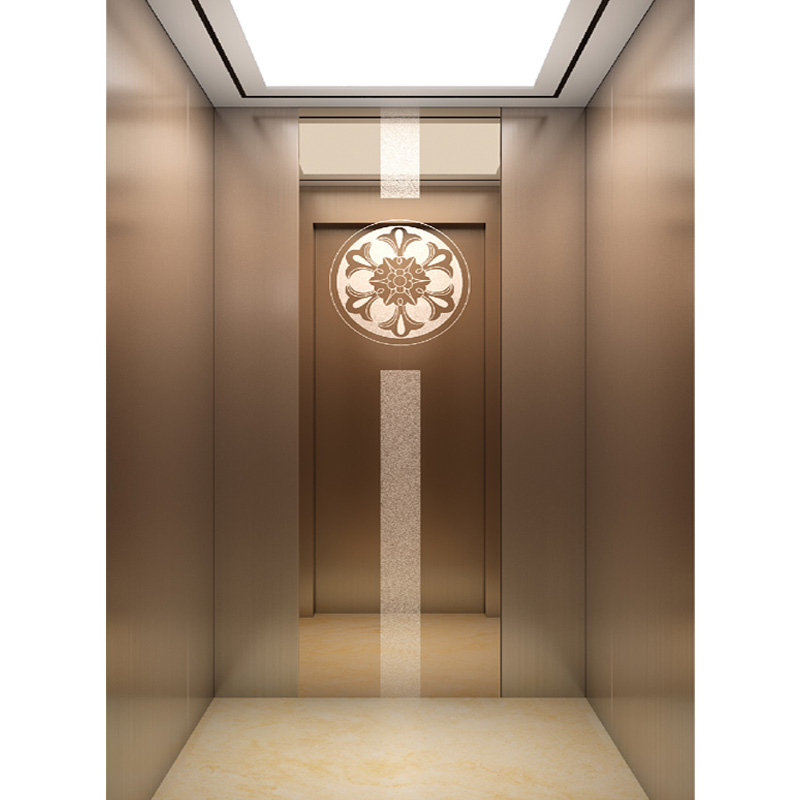
A home elevator is designed for a single-family residence. That simple definition carries significant implications for how the equipment is designed, manufactured, and installed.
Capacity is typically smaller than commercial elevators. Most home elevators carry two to six passengers, with a weight capacity of 200 to 450 kilograms. Some larger models can accommodate a wheelchair and an attendant.
Size is constrained by the home’s layout. Home elevators are designed to fit into tight spaces, often in closets, stairwells, or corners. They may have a footprint of less than one square meter.
Drive systems vary. Traction elevators use cables and a counterweight. Hydraulic elevators use a piston. Machine-room-less designs eliminate the need for a separate machine room. Pneumatic elevators use air pressure and require no pit or hoistway.
Aesthetics matter more than in commercial applications. The elevator is part of the home’s interior. Manufacturers offer a range of finishes, including wood veneer, glass, stainless steel, and custom colors. The car may be designed to match the home’s decor.
Installation is less disruptive than commercial installations. Home elevators are often installed in existing homes as retrofits. The installation process must minimize disruption to the home and its occupants.
The Product Range
A home elevator manufacturer typically produces several product lines to serve different home types and budgets.
Traction home elevators are the most common type for new construction. They use a cable and counterweight system and require a hoistway. They offer smooth, quiet operation and are energy efficient.
Hydraulic home elevators are common in retrofits. They use a hydraulic piston to lift the car and require a machine room or a space for the power unit. They are reliable and can handle heavier loads.
Machine-room-less home elevators eliminate the need for a separate machine room. The machinery is compact and fits within the hoistway. These are popular in homes where space is limited.
Pneumatic home elevators use air pressure to lift the car. They require no pit, no hoistway, and no machine room. They are the easiest to install in existing homes but have lower capacity and speed.
Platform lifts and wheelchair lifts are a related category. They are not full elevators but provide access for people with mobility challenges. They may be installed on stairways or as short-rise lifts.
What to Consider When Selecting a Home Elevator Manufacturer
The selection process begins with the home. What type of home is it? How many floors? Is the elevator for new construction or a retrofit? What is the available space? What is the budget? The answers to these questions define the type of elevator and the level of performance required.
The manufacturer’s experience with residential projects is the next consideration. A manufacturer who has installed many home elevators understands the unique challenges of working in occupied homes. A manufacturer who has only served commercial buildings may not.
The manufacturer’s product range is the third consideration. The home may need a small elevator for two people or a larger one for a wheelchair. A manufacturer who offers a range of sizes and configurations can match the product to the need.
The manufacturer’s service capabilities are the fourth consideration. Home elevators require maintenance, repair, and occasional modernization. The manufacturer’s service network and parts availability must be adequate for the homeowner’s location.
The manufacturer’s references are the fifth consideration. Homeowners who have installed the manufacturer’s elevators can provide feedback on performance, reliability, and service. This information is more valuable than any brochure.
The Installation Process
The installation of a home elevator is a significant project. It involves structural modifications, electrical work, and finish carpentry. The process typically takes several days to several weeks, depending on the type of elevator and the complexity of the installation.
The manufacturer or its authorized dealer typically manages the installation. They coordinate with the homeowner, the contractor, and the building inspector. They ensure that the installation meets all applicable codes and standards.
After installation, the elevator is tested and inspected. The homeowner is trained on its operation and maintenance. A warranty covers the equipment and the installation.
The Bottom Line
A home elevator manufacturer builds the machines that provide vertical access in private residences. The choice of a manufacturer affects the home’s value, its occupants’ quality of life, and the long-term cost of ownership. For homeowners considering a home elevator, understanding what these manufacturers do and how to evaluate them is essential to making a sound decision. The elevator will be in service for decades. The manufacturer relationship often lasts just as long.